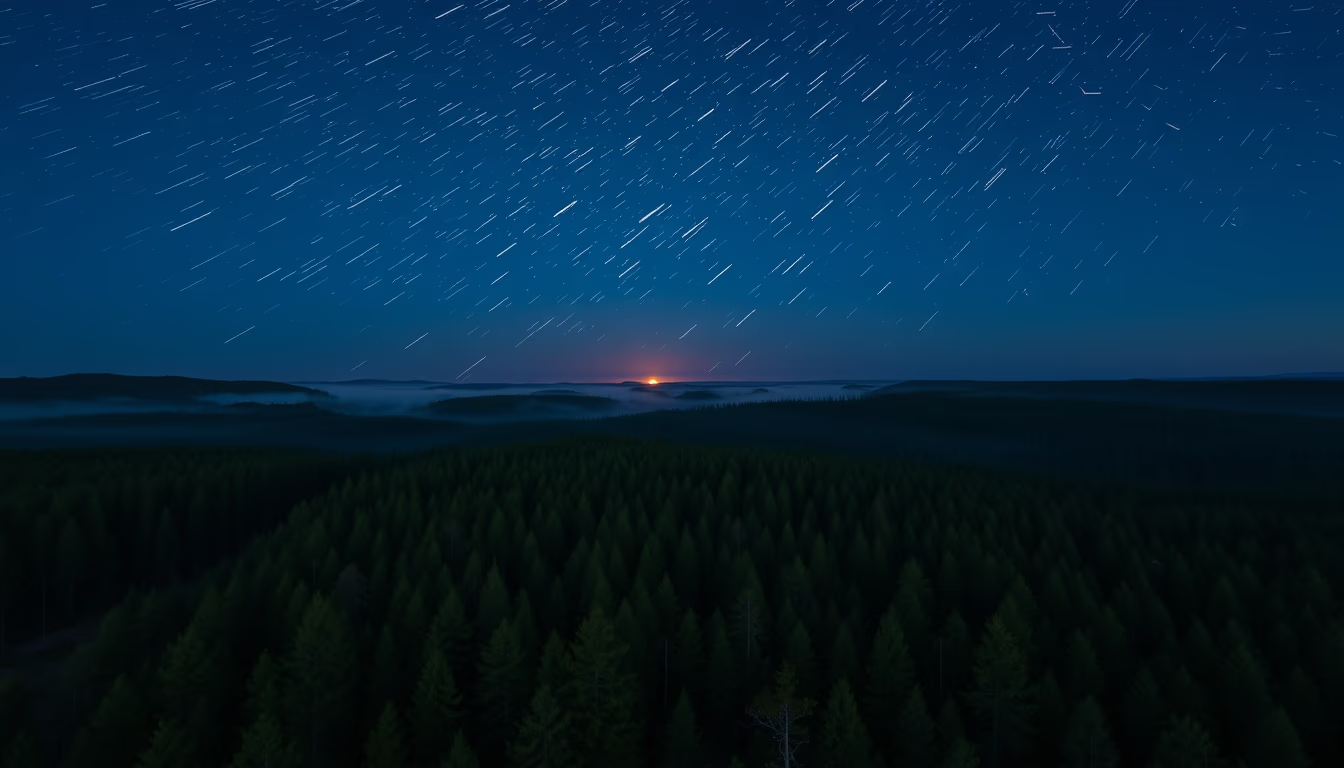
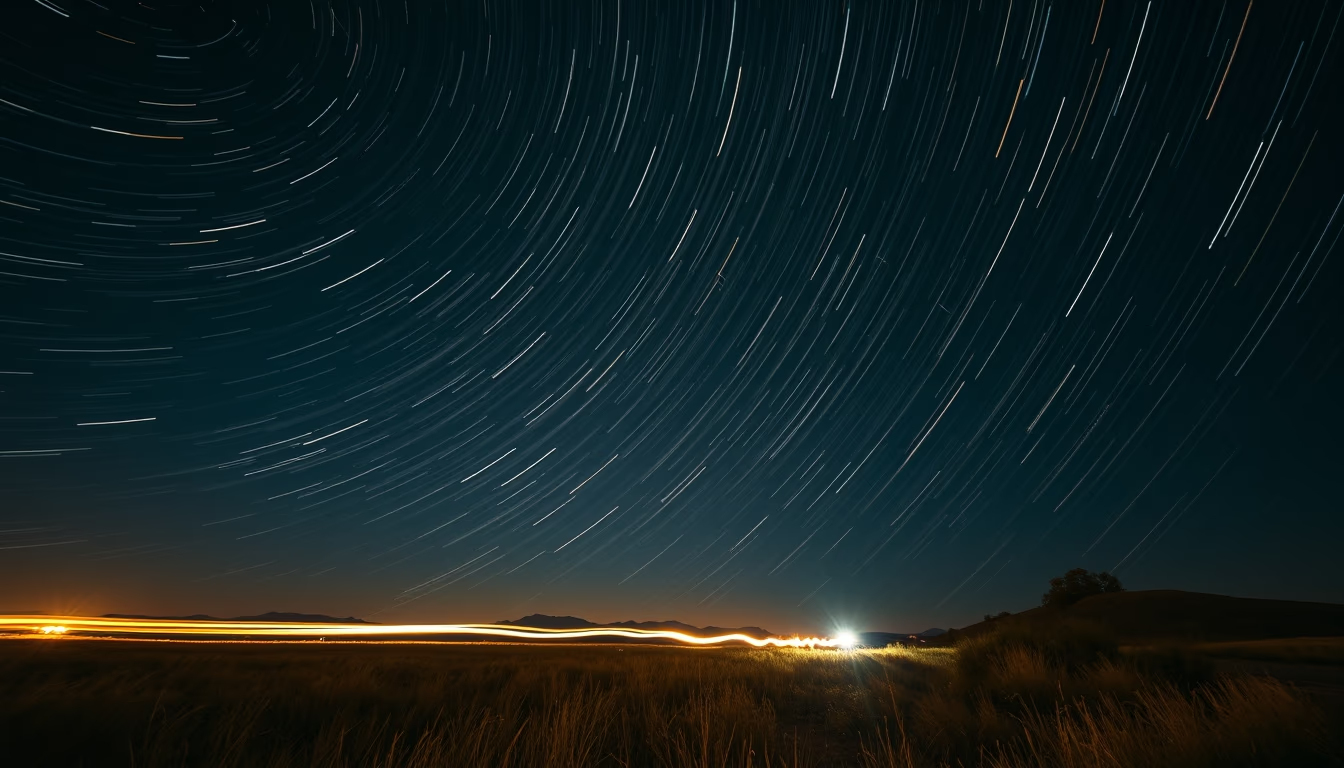
Meteor shower over forest
1344×768 · AVIF · CC BY 4.0
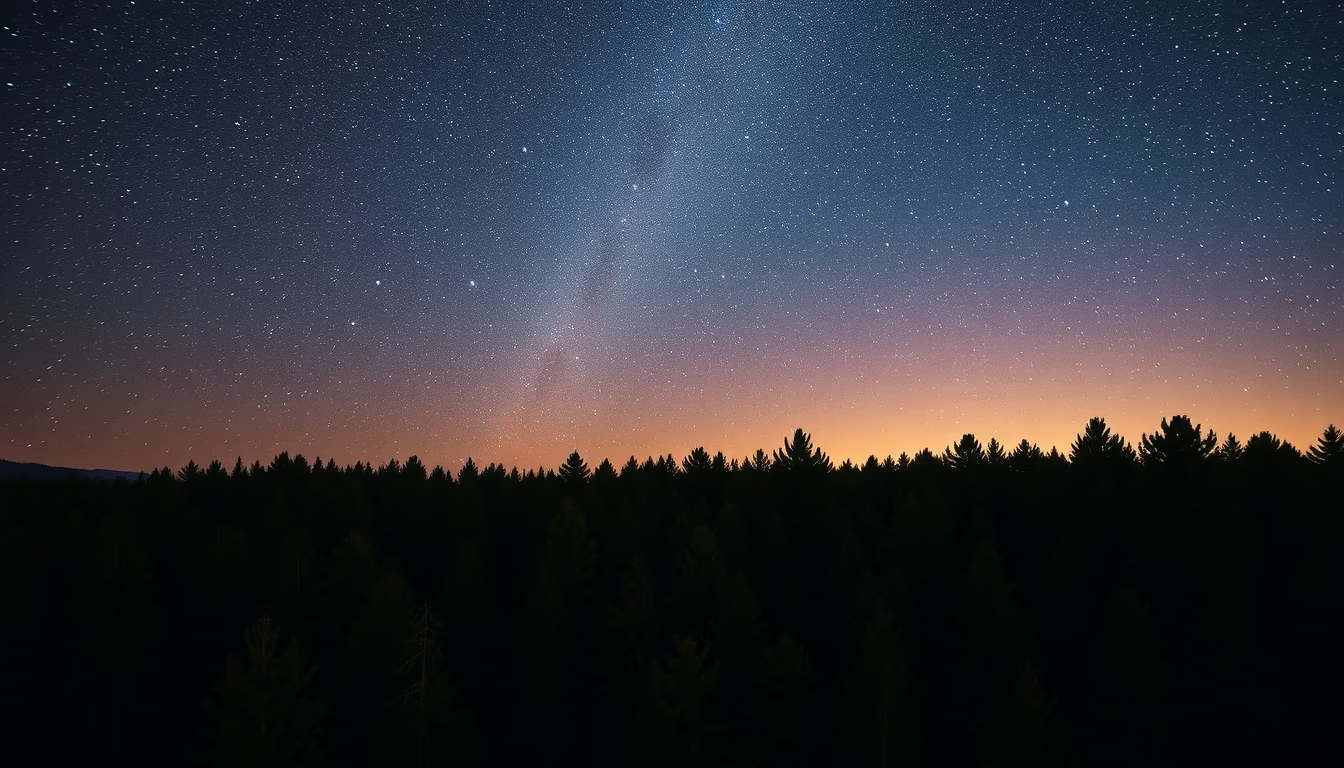
A meteor shower is an astronomical phenomenon that occurs when Earth crosses the orbit of a comet, causing particles to burn up in the atmosphere.
About this subject
Meteor showers are among the most captivating night sky phenomena. They occur when Earth, in its orbital path, passes through a trail of debris left by a comet or, occasionally, an asteroid. These particles, often the size of a grain of sand, enter the atmosphere at extremely high speeds (up to 70 km/s) and burn due to friction, producing bright streaks known as meteors or, popularly, shooting stars.
In Brazil, the most observable meteor showers include the Eta Aquarids (in May, originating from Halley's Comet) and the Perseids (August, but better viewed in the Northern Hemisphere). The country's near-equatorial location allows observation of showers from both hemispheres, though some are more favorable in the south. For 2026, astronomical forecasts point to intense peaks for the Geminids (December) and Quadrantids (January), along with possible outbursts of the Lyrids (April).
Ideal observation requires dark skies away from urban light pollution, with optimal hours between midnight and dawn. No special equipment is needed: naked-eye observation is best, as meteors can appear in any direction. Amateur astronomers often conduct counts and record hourly rates to contribute to scientific studies. Culturally, shooting stars are associated with wishes and superstitions, but their study helps understand comet composition and the evolution of the Solar System.
Frequently Asked Questions
What causes a meteor shower?
A meteor shower is caused when Earth passes through the debris trail left by a comet. The particles burn up upon entering the atmosphere, creating bright streaks.
What is the best time to observe meteor showers in Brazil?
The Eta Aquarids in May and the Geminids in December are good options. Check astronomical calendars for specific peak times and conditions each year.
Are meteor showers dangerous?
No. Meteors burn up completely in the atmosphere, usually above 80 km altitude, and pose no threat to people or structures on the ground.
Direct URL
https://pub-c7d6a6ea828543ac903a74a341ccb2e1.r2.dev/imagens/meteor-shower-over-forest-studio-editorial-portrait-p4.avifHow to credit
Include a visible link back to UtilizAí. Copy one of the snippets below:
<a href="https://xn--utiliza-eza.com/en/midia/imagens/meteor-shower-over-forest-studio-editorial-portrait-p4">Meteor shower over forest</a> by <a href="https://xn--utiliza-eza.com">UtilizAí</a>, licensed under <a href="https://creativecommons.org/licenses/by/4.0/">CC BY 4.0</a>.
[Meteor shower over forest](https://xn--utiliza-eza.com/en/midia/imagens/meteor-shower-over-forest-studio-editorial-portrait-p4) by [UtilizAí](https://xn--utiliza-eza.com), CC BY 4.0
License: CC-BY-4.0