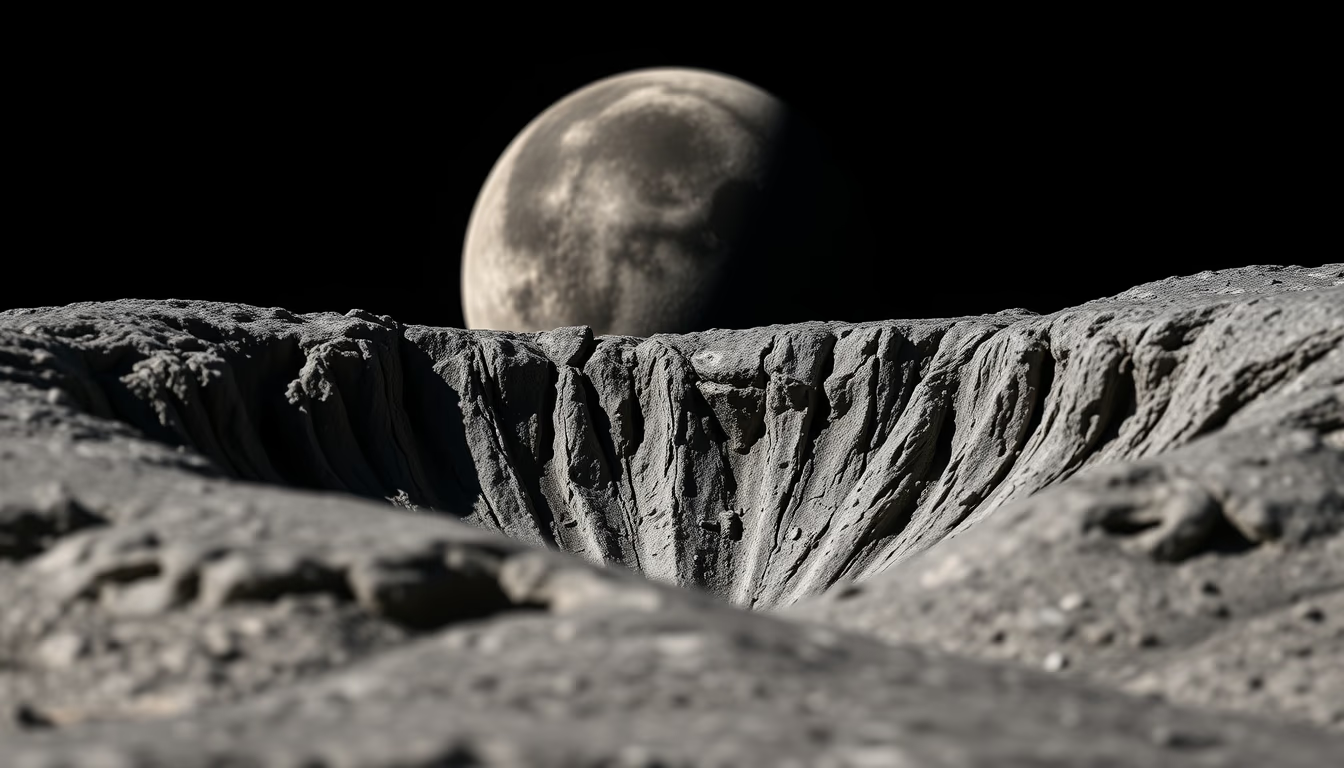
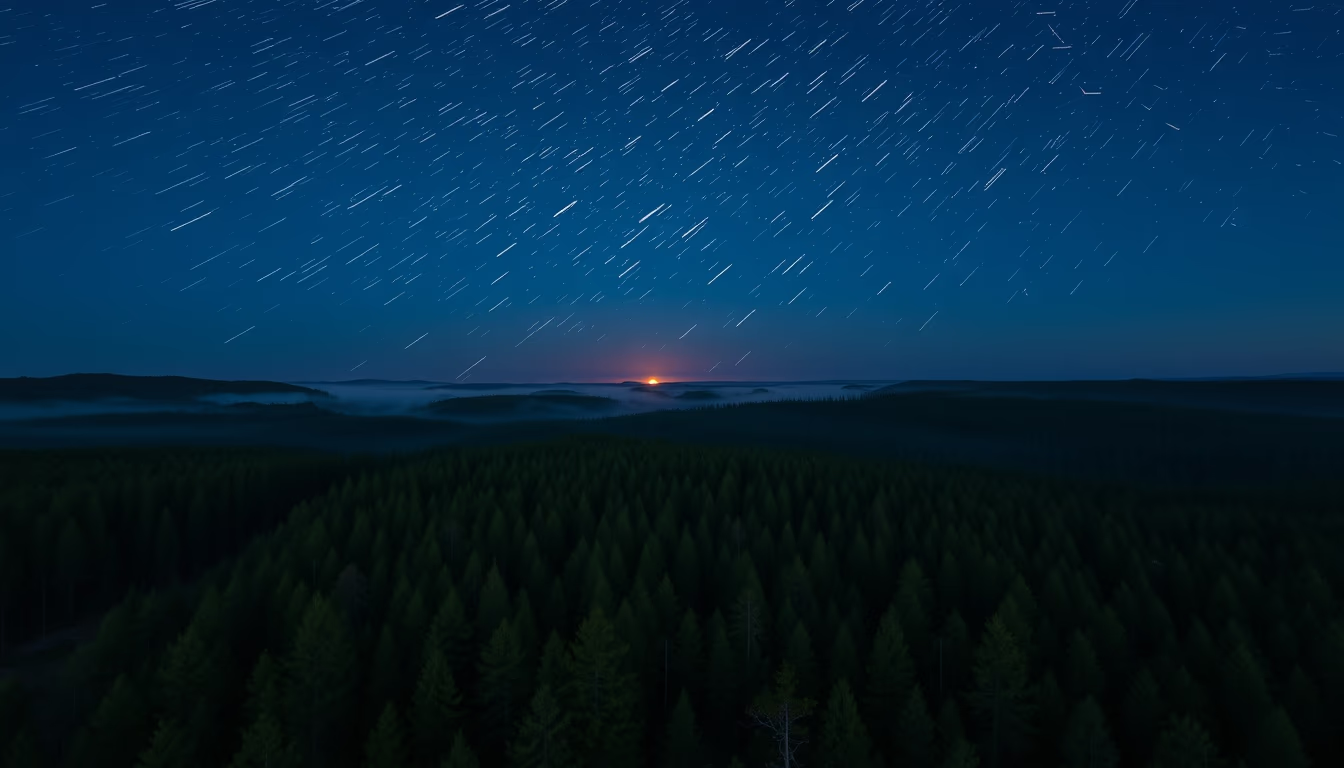
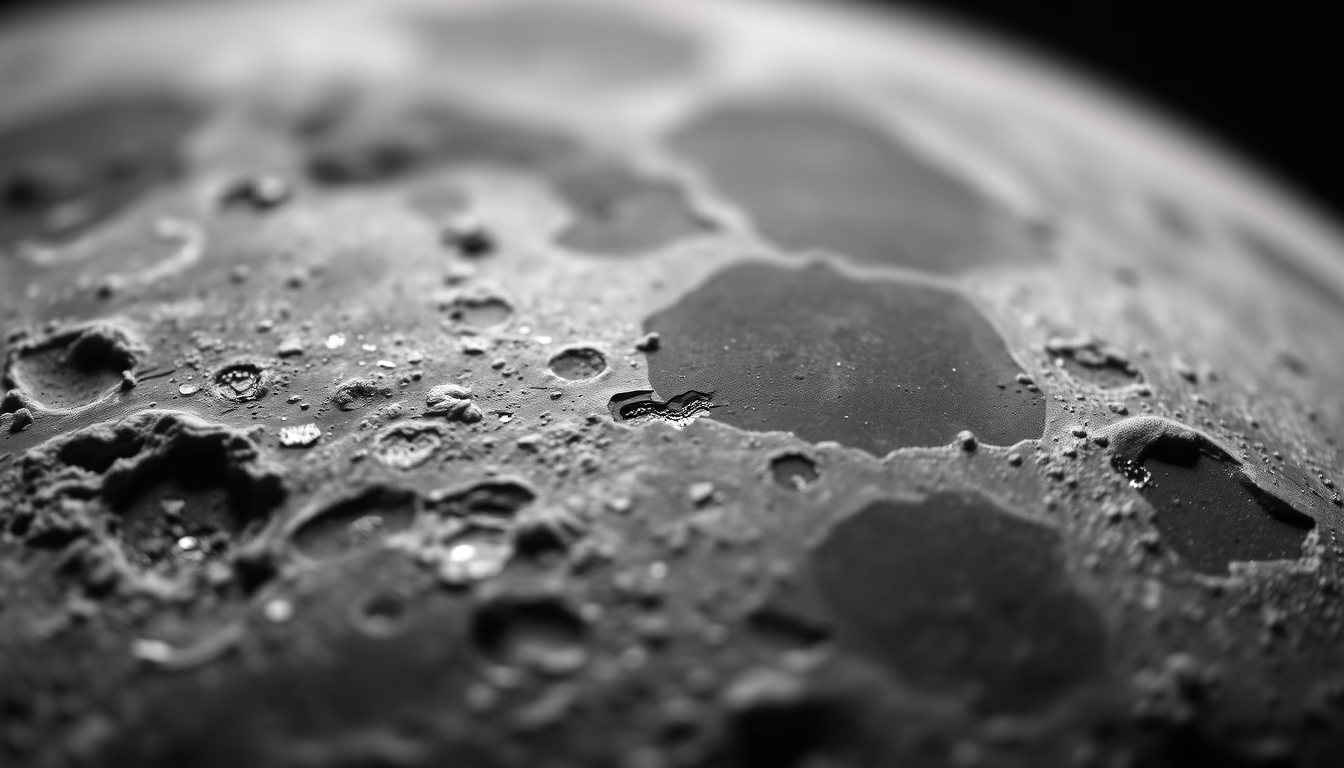
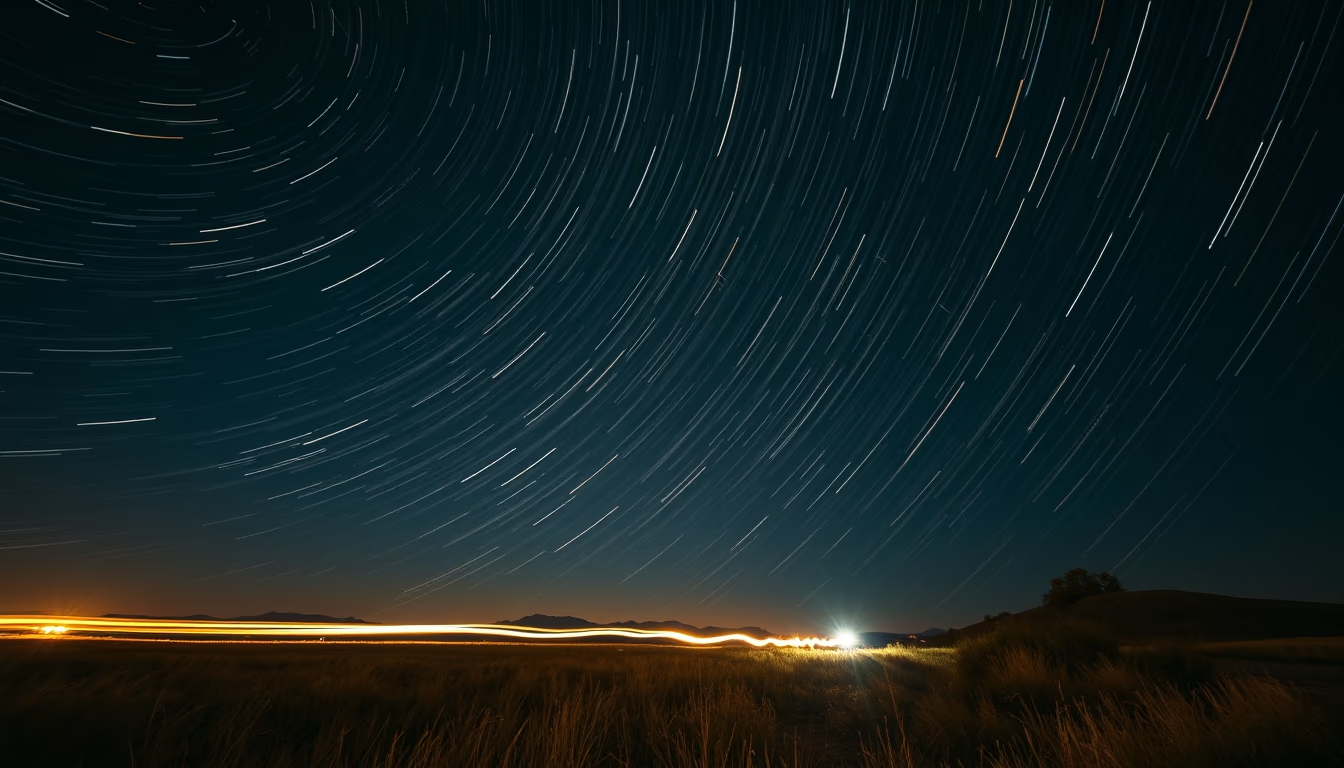
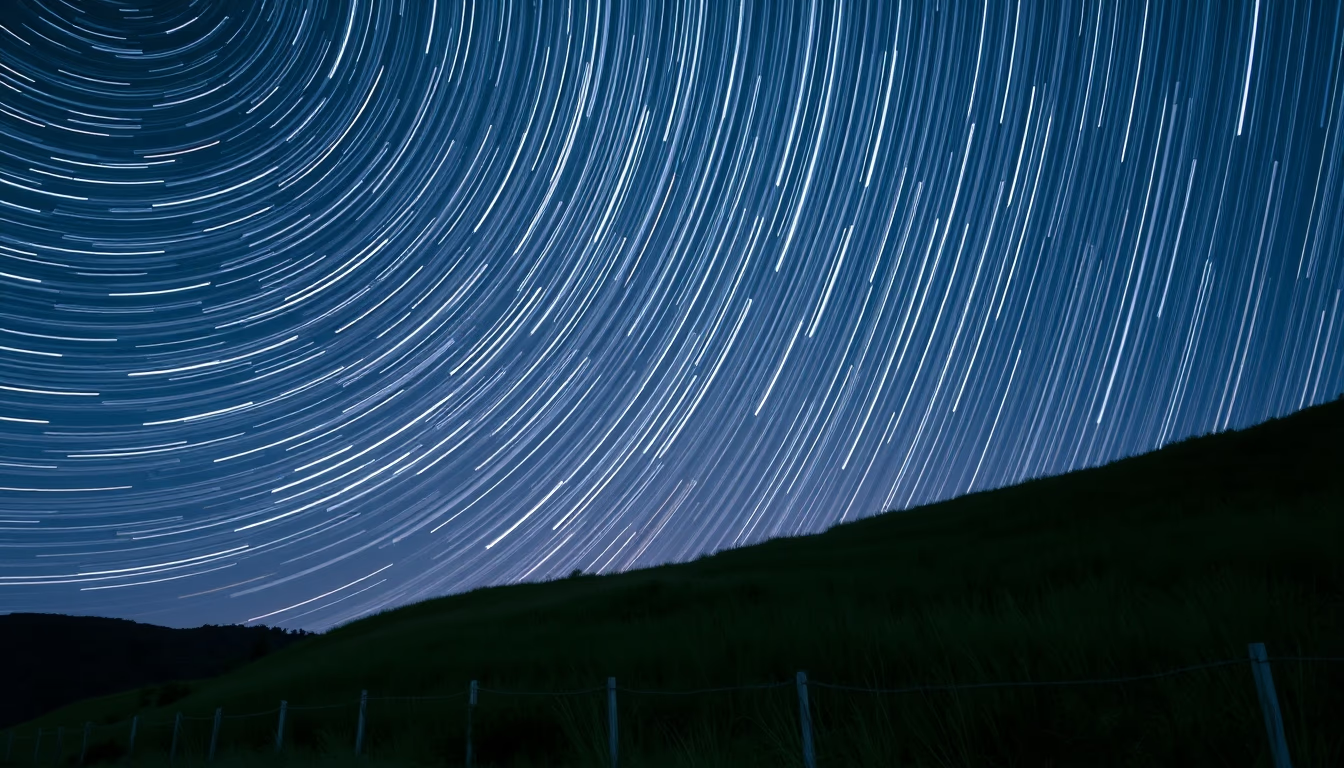
Meteor shower over forest
1344×768 · AVIF · CC BY 4.0
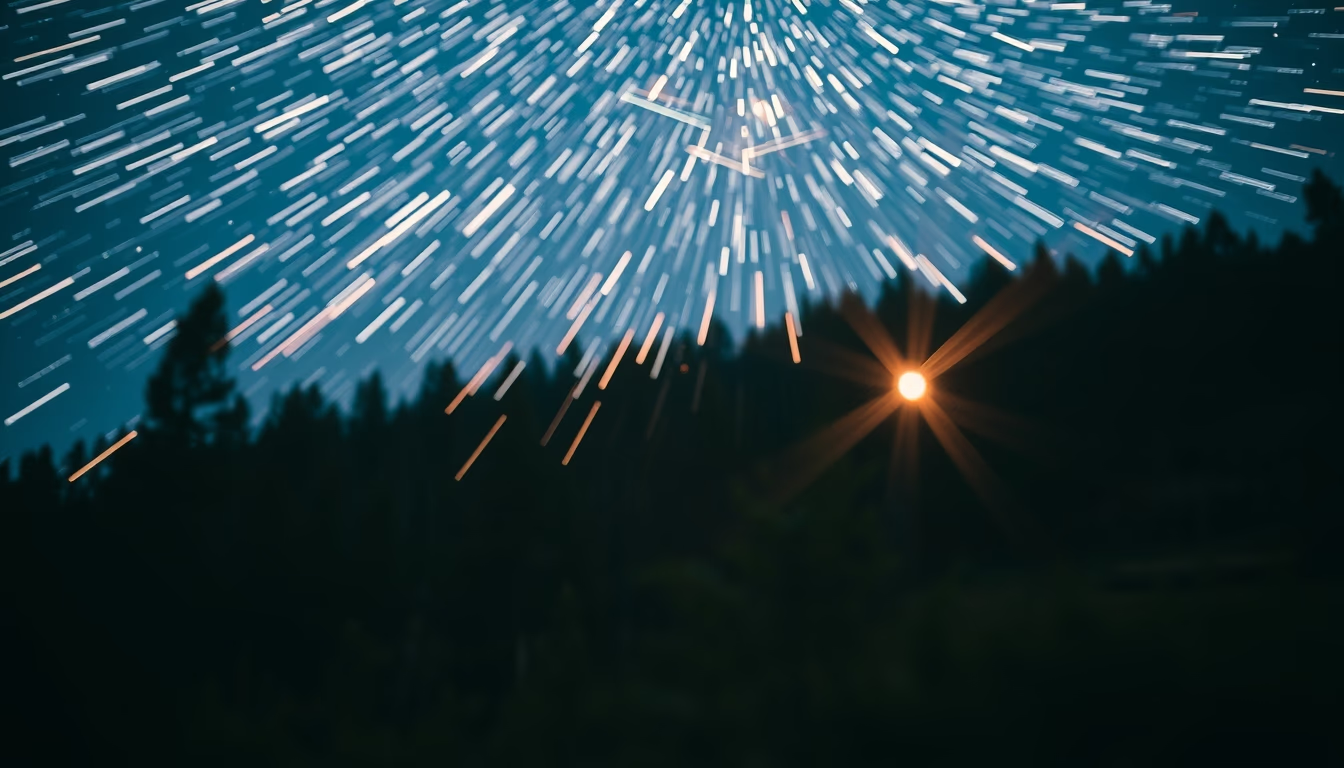
Meteor showers over forests are rare and stunning sights, combining the brightness of meteors with the darkness of trees, providing ideal settings for astrophotography.
About this subject
Meteor showers are astronomical events where multiple meteors are observed radiating from a point in the night sky, called the radiant. They occur when Earth passes through debris left by comets or asteroids. Meteor rates vary from a few per hour to hundreds, as in the famous Perseids (August) and Geminids (December). Ideal observation requires dark skies, away from light pollution. Forests and rural areas are privileged spots, as darkness enhances the contrast of meteors. In 2026, major showers will have peaks near the new moon, ensuring excellent conditions. Astrophotography of meteor showers traditionally uses wide-angle lenses to capture broad areas of the sky. However, macro-closeup techniques allow recording fine details of individual meteors, such as their color, fragmentation, and plasma trails. This approach requires cameras with high focal length lenses and precise tracking. Brazil, due to its equatorial location, offers good visibility of showers like the Eta Aquarids and Orionids. The combination of forests, such as the Amazon or Atlantic Forest, with moonless nights creates unique opportunities for astrophotographers. Light pollution is the biggest challenge, and national parks or forest reserves are recommended locations.
Frequently Asked Questions
What causes a meteor shower?
Meteor showers are caused when Earth passes through a trail of debris left by a comet or asteroid. These particles burn up in the atmosphere, creating the bright streaks we see.
What is the best time to observe meteor showers in 2026?
In 2026, the Perseids peak in August and the Geminids in December, both with favorable conditions due to the new moon. Check astronomical calendars for exact times.
How to photograph a meteor shower using macro technique?
Use a camera with a telephoto lens (200mm or more) on a tripod with a star tracker. Take short exposures (10-30 seconds) at high ISO, focus manually on a bright star. Capture multiple images and stack them to reveal details.
Direct URL
https://pub-c7d6a6ea828543ac903a74a341ccb2e1.r2.dev/imagens/meteor-shower-over-forest-macro-closeup-p6.avifHow to credit
Include a visible link back to UtilizAí. Copy one of the snippets below:
<a href="https://xn--utiliza-eza.com/en/midia/imagens/meteor-shower-over-forest-macro-closeup-p6">Meteor shower over forest</a> by <a href="https://xn--utiliza-eza.com">UtilizAí</a>, licensed under <a href="https://creativecommons.org/licenses/by/4.0/">CC BY 4.0</a>.
[Meteor shower over forest](https://xn--utiliza-eza.com/en/midia/imagens/meteor-shower-over-forest-macro-closeup-p6) by [UtilizAí](https://xn--utiliza-eza.com), CC BY 4.0
License: CC-BY-4.0