Mendoza argentine vineyard
1344×768 · AVIF · CC BY 4.0

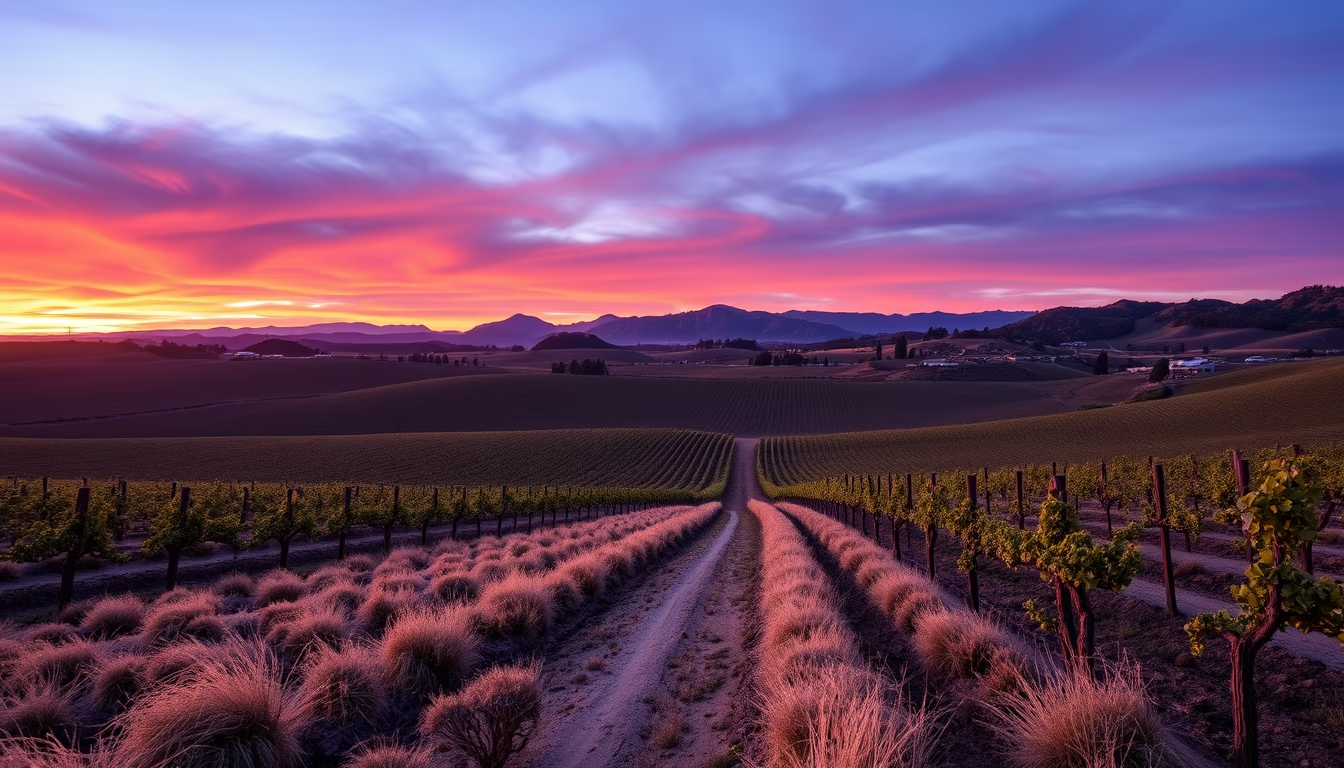
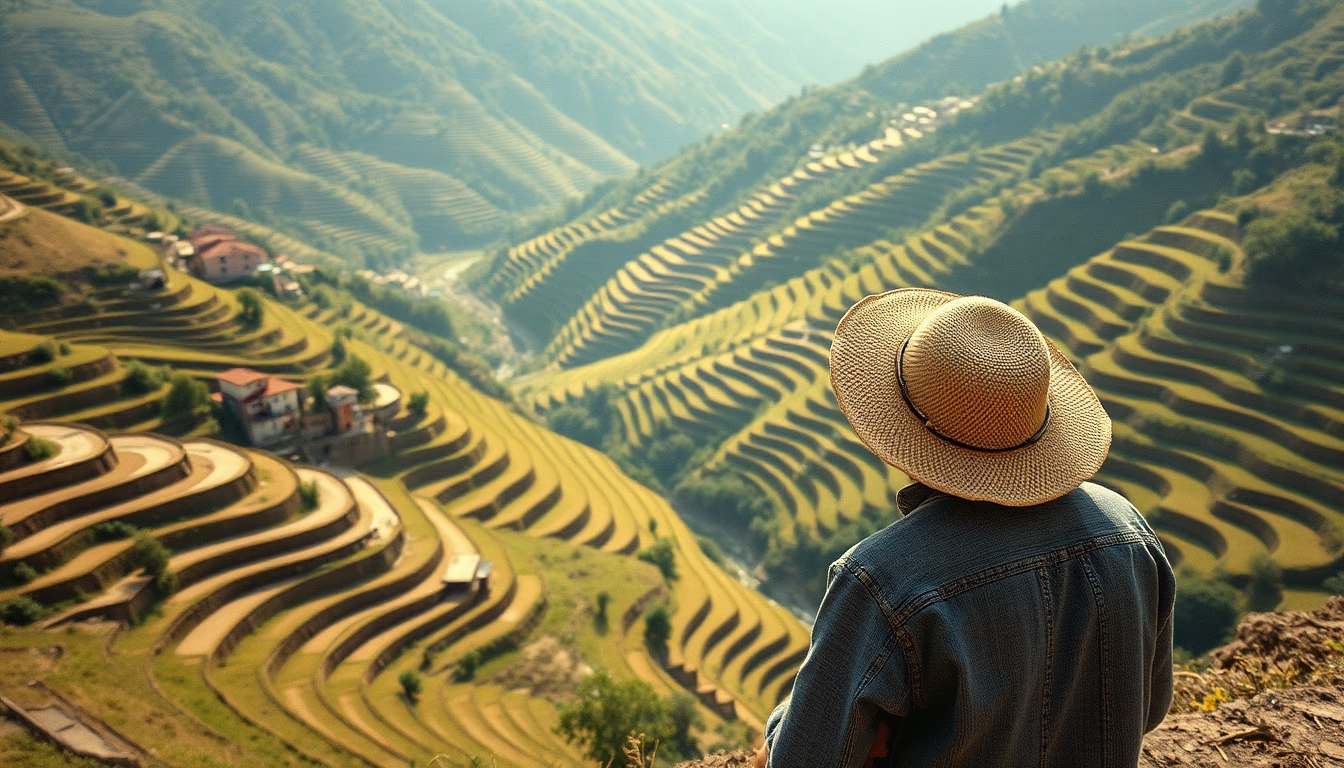
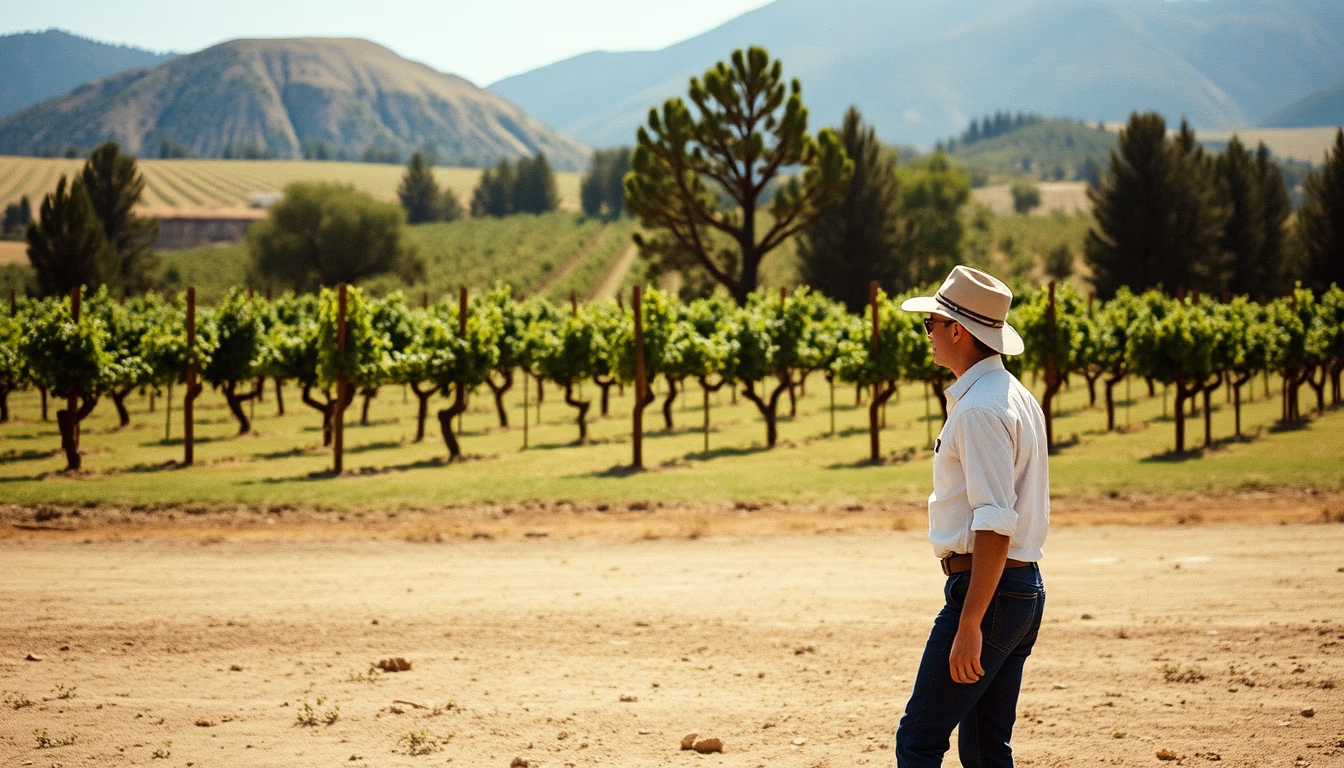
Mendoza, Argentina, is home to the country's largest and most famous wine region, renowned for its high-altitude Malbec wines and stunning landscapes at the foot of the Andes.
About this subject
Mendoza is the heart of Argentine wine production, accounting for approximately 70% of all wine made in the country. Located in western Argentina near the Chilean border, the province benefits from a semi-arid climate with over 300 sunny days per year and minimal rainfall. Irrigation is supplied by a network of canals fed by snowmelt from the Andes, ensuring pure and abundant water for the vines. Vineyard altitudes range from 600 to 1,500 meters above sea level, which gives the wines natural acidity and soft tannins, signature traits of Argentine Malbec.
The history of winemaking in Mendoza dates back to the 16th century when Spanish colonizers brought the first grapevines. However, it was in the 19th century, with the arrival of Italian and Spanish immigrants, that viticulture expanded significantly. Today, the region is divided into sub-regions such as Luján de Cuyo, Maipú, and the Uco Valley, each with unique soil and microclimate characteristics. The Uco Valley, in particular, has gained international prestige for its high-altitude wines, with vineyards reaching 1,700 meters.
Wine culture in Mendoza goes beyond production: the province attracts millions of tourists annually to its wineries, festivals like the Fiesta Nacional de la Vendimia, and the combination of wine tourism with outdoor activities such as trekking and rafting. Local cuisine, featuring grilled meats and empanadas, pairs perfectly with the region's full-bodied reds. In addition to Malbec, Mendoza produces varieties like Cabernet Sauvignon, Bonarda, and Torrontés, the latter being a fragrant white wine typical of Argentina.
Interestingly, Malbec, Argentina's signature grape, is not native to the country but originated in France. It was brought to South America around 1850 and found ideal conditions in Mendoza. Today, Argentina is the world's largest producer of Malbec, with Mendoza accounting for over 85% of that output. Mendoza wines are exported globally and consistently receive high scores from international critics, solidifying the region as one of the most important wine hubs on the planet.
Frequently Asked Questions
Why is Argentine Malbec so famous?
Argentine Malbec gained worldwide fame for its distinct quality and flavor. The high altitudes of Mendoza's vineyards provide warm days and cool nights, resulting in thick-skinned grapes with soft tannins and balanced acidity. Argentina is now the world's largest producer of Malbec, with Mendoza leading production.
What is the best time to visit Mendoza's wineries?
The ideal time is during the harvest season from February to April, when the Fiesta Nacional de la Vendimia takes place in March. The weather is mild and the landscapes are lush. Spring (September to November) and autumn are also great options to avoid crowds.
Does Mendoza produce only red wines?
No. While reds, especially Malbec and Cabernet Sauvignon, dominate production, Mendoza also produces aromatic whites like Torrontés, as well as sparkling wines and rosés. The diversity of microclimates allows for experimentation with different grape varieties.
Direct URL
https://pub-c7d6a6ea828543ac903a74a341ccb2e1.r2.dev/imagens/mendoza-argentine-vineyard-studio-editorial-portrait-fresh7.avifHow to credit
Include a visible link back to UtilizAí. Copy one of the snippets below:
<a href="https://xn--utiliza-eza.com/en/midia/imagens/mendoza-argentine-vineyard-studio-editorial-portrait-fresh7">Mendoza argentine vineyard</a> by <a href="https://xn--utiliza-eza.com">UtilizAí</a>, licensed under <a href="https://creativecommons.org/licenses/by/4.0/">CC BY 4.0</a>.
[Mendoza argentine vineyard](https://xn--utiliza-eza.com/en/midia/imagens/mendoza-argentine-vineyard-studio-editorial-portrait-fresh7) by [UtilizAí](https://xn--utiliza-eza.com), CC BY 4.0
License: CC-BY-4.0