Medical lab glassware blue lighting
1344×768 · AVIF · CC BY 4.0
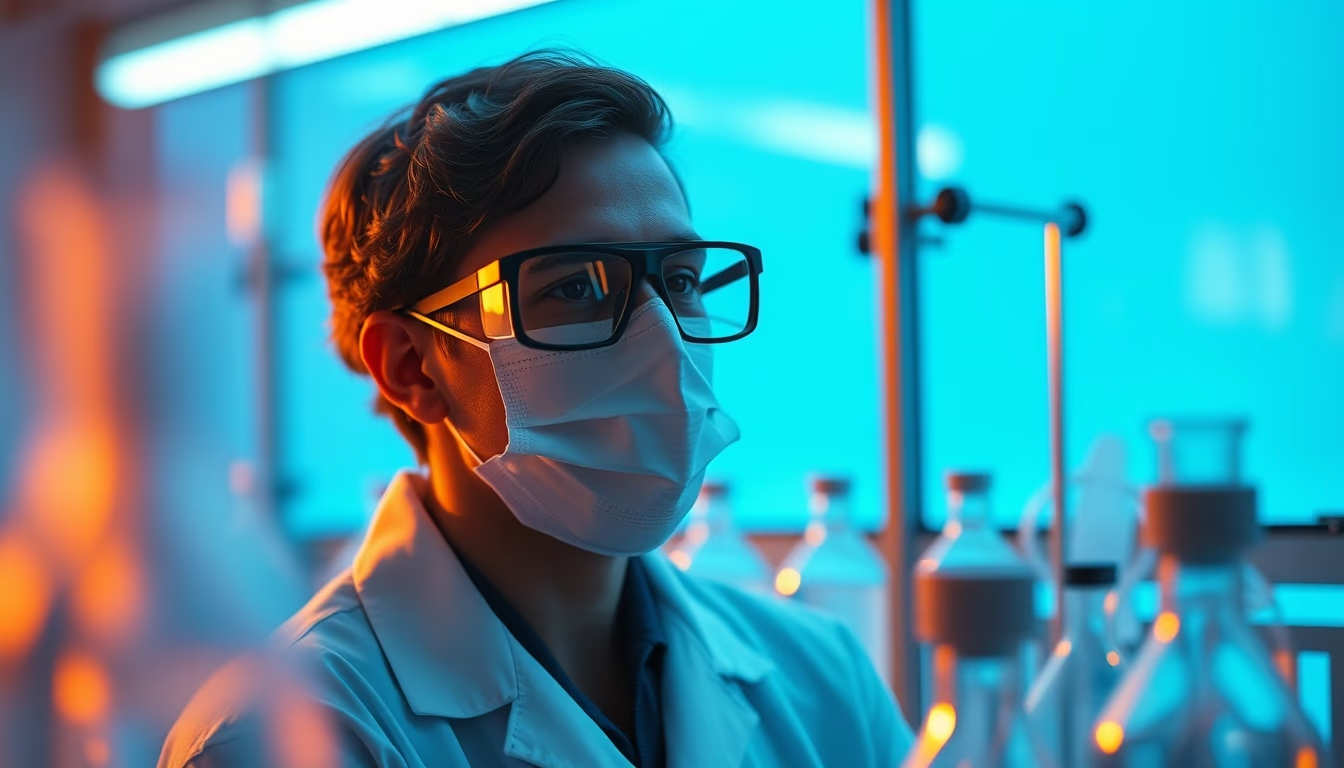
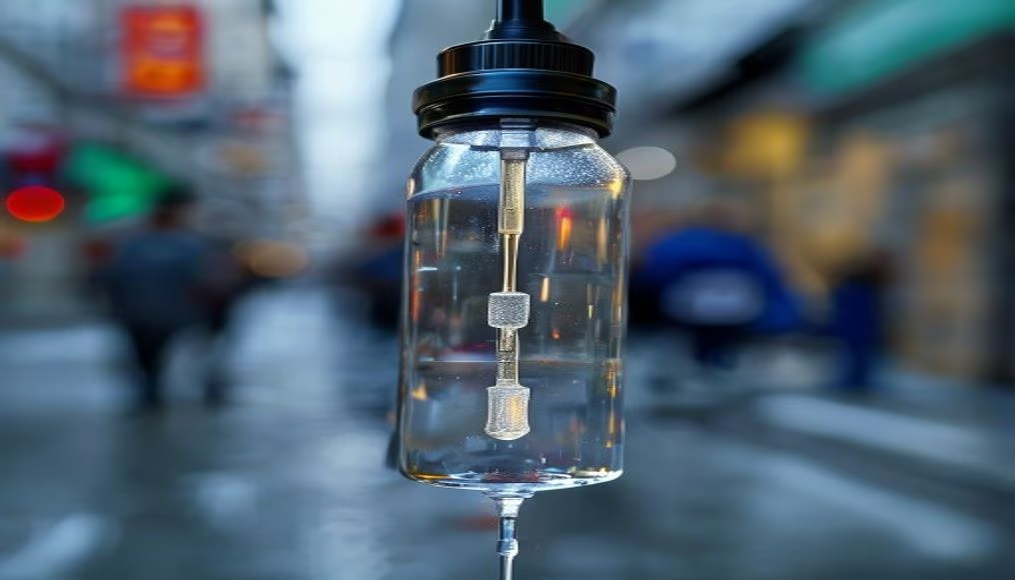
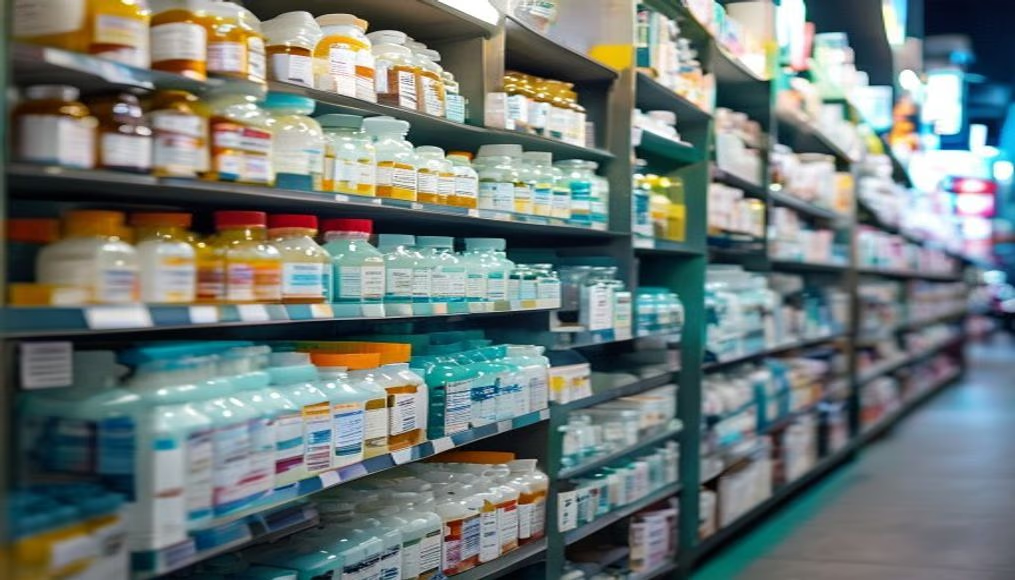
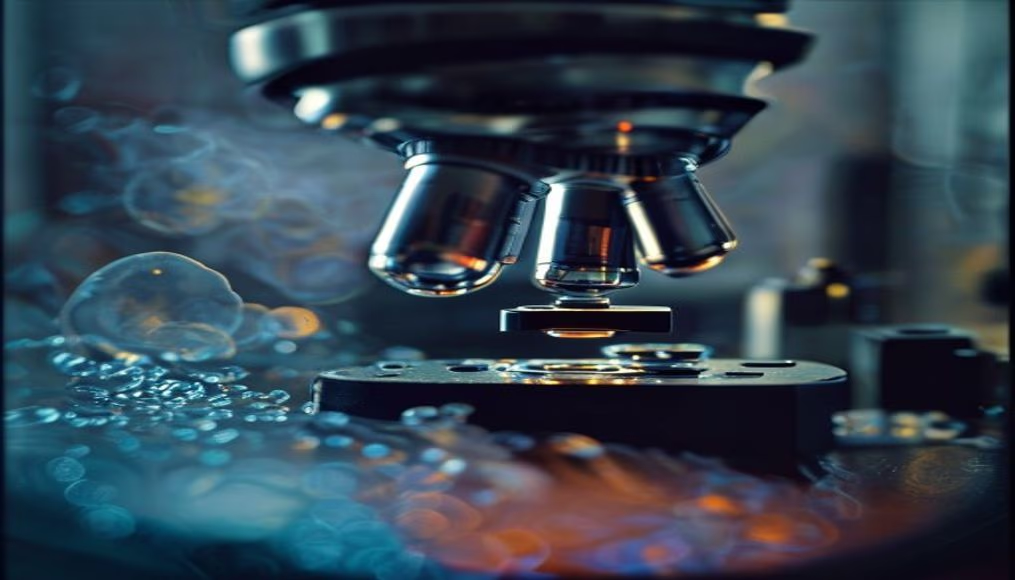
Medical laboratory glassware illuminated by blue lighting creates a technical and precise environment, essential for clinical analysis and scientific research.
About this subject
Blue lighting in medical laboratories is not merely aesthetic. It has practical applications: blue light (wavelength 450-495 nm) is used in spectrophotometry to measure absorbance of biological samples, such as protein quantification by the Bradford method. Additionally, blue light reduces visual strain for technicians who spend long hours analyzing samples, as its spectrum is less tiring than conventional white light.
Common glassware includes beakers, Erlenmeyer flasks, pipettes, and test tubes, usually made of borosilicate for thermal and chemical resistance. In Brazil, laboratory glassware production is regulated by ABNT NBR 15172, which defines standards for precision and calibration. Hospital laboratories, both public and private, use these instruments for routine tests such as blood counts and biochemical analyses.
Interestingly, blue light is also used in biological safety cabinets for UV sterilization (though visible blue light does not sterilize). In some research labs, blue illumination helps visualize fluorescence in samples labeled with GFP (green fluorescent protein), a technique widely used in molecular biology.
The design of flasks and tubes is standardized internationally by ISO 4796, ensuring compatibility between equipment from different brands. The choice of blue lighting may also be associated with a sense of calm and focus, contributing to professionals' concentration during critical procedures.
Frequently Asked Questions
Why is blue light used in medical laboratories?
Blue light is used for functional reasons: it reduces eye strain for technicians, is employed in equipment like spectrophotometers for quantitative analyses, and in some cases helps visualize fluorescence in biological samples.
Which glassware is most common in clinical labs?
The most common are beakers, Erlenmeyer flasks, graduated cylinders, volumetric pipettes, test tubes, and Petri dishes. They are all made of borosilicate glass to withstand thermal shocks and chemical attacks.
Are there regulations for laboratory glassware in Brazil?
Yes, ABNT NBR 15172 establishes requirements for laboratory glassware, including dimensional tolerances and calibration methods, ensuring measurement accuracy.
Direct URL
https://pub-c7d6a6ea828543ac903a74a341ccb2e1.r2.dev/imagens/medical-lab-glassware-blue-lighting-cinematic-wide-shot-v2.avifHow to credit
Include a visible link back to UtilizAí. Copy one of the snippets below:
<a href="https://xn--utiliza-eza.com/en/midia/imagens/medical-lab-glassware-blue-lighting-cinematic-wide-shot-v2">Medical lab glassware blue lighting</a> by <a href="https://xn--utiliza-eza.com">UtilizAí</a>, licensed under <a href="https://creativecommons.org/licenses/by/4.0/">CC BY 4.0</a>.
[Medical lab glassware blue lighting](https://xn--utiliza-eza.com/en/midia/imagens/medical-lab-glassware-blue-lighting-cinematic-wide-shot-v2) by [UtilizAí](https://xn--utiliza-eza.com), CC BY 4.0
License: CC-BY-4.0