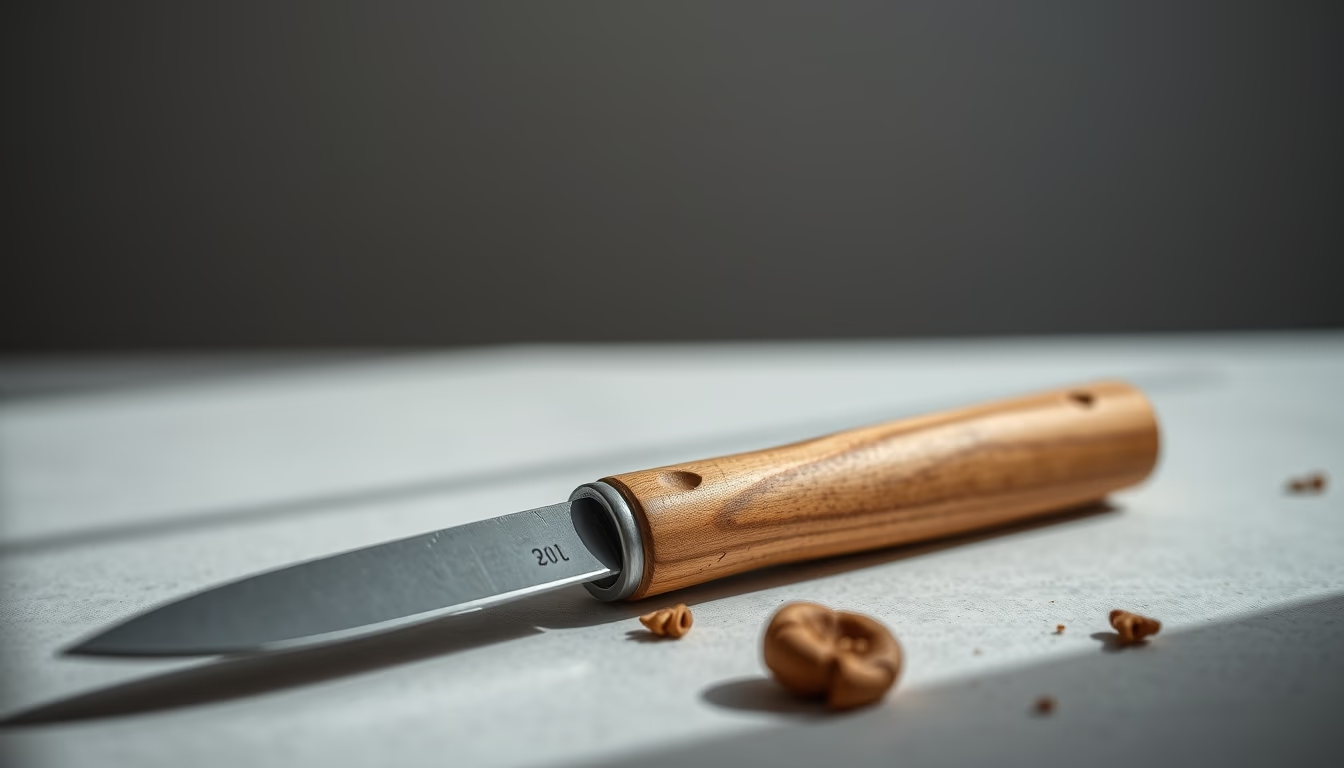
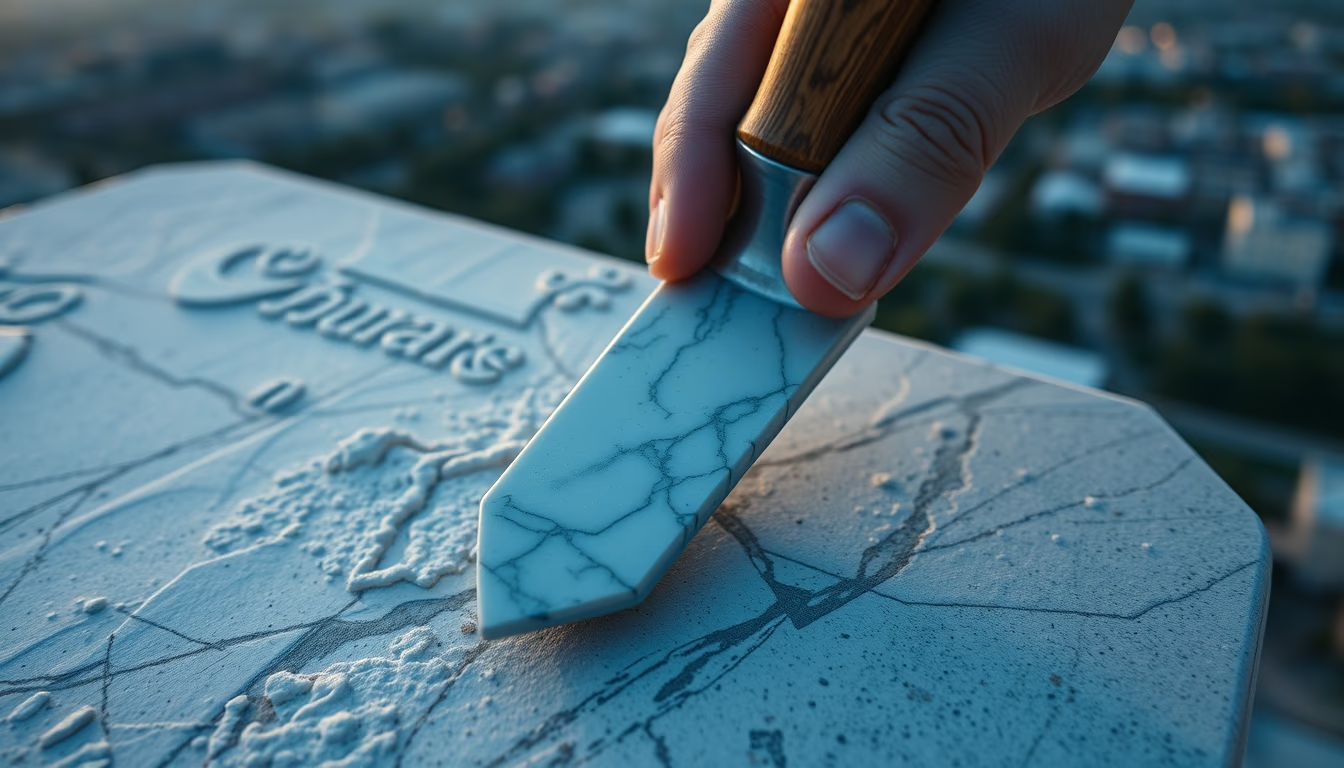
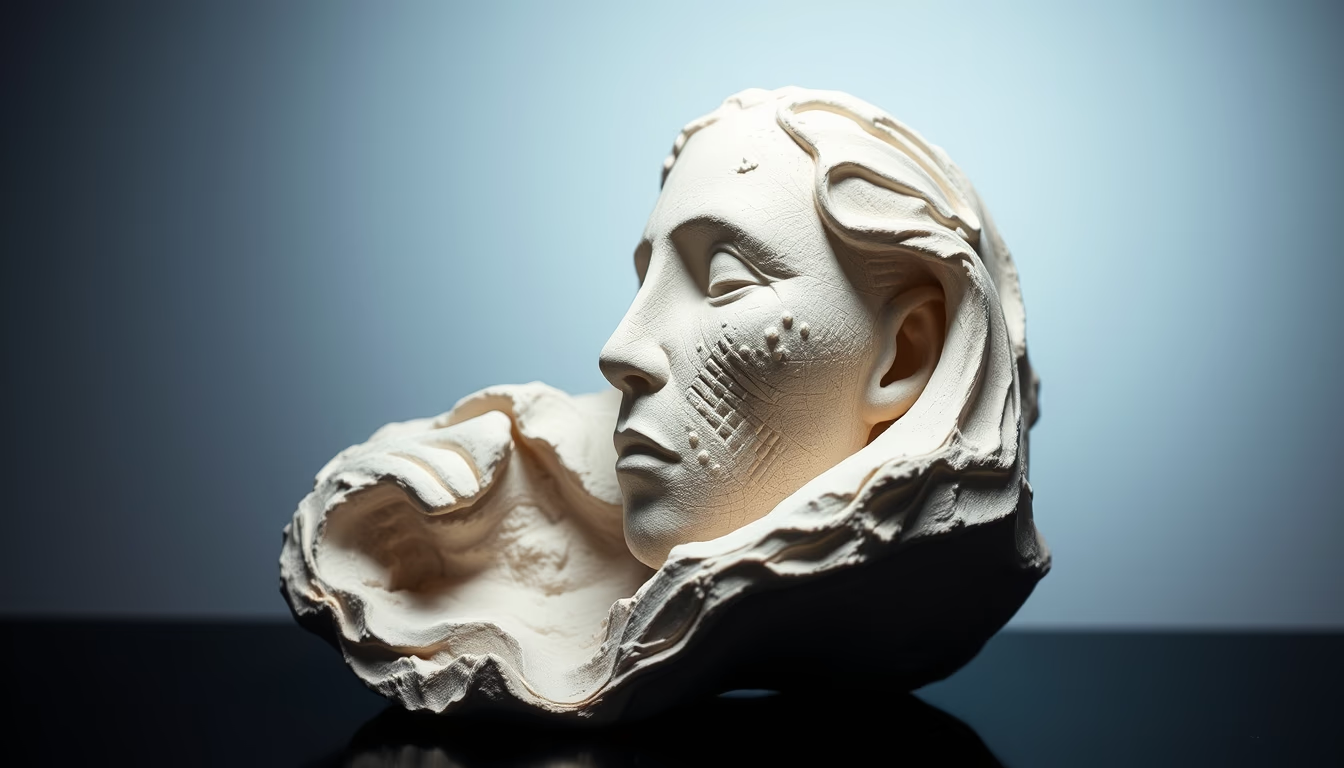
Marble carving chisel
1344×768 · AVIF · CC BY 4.0
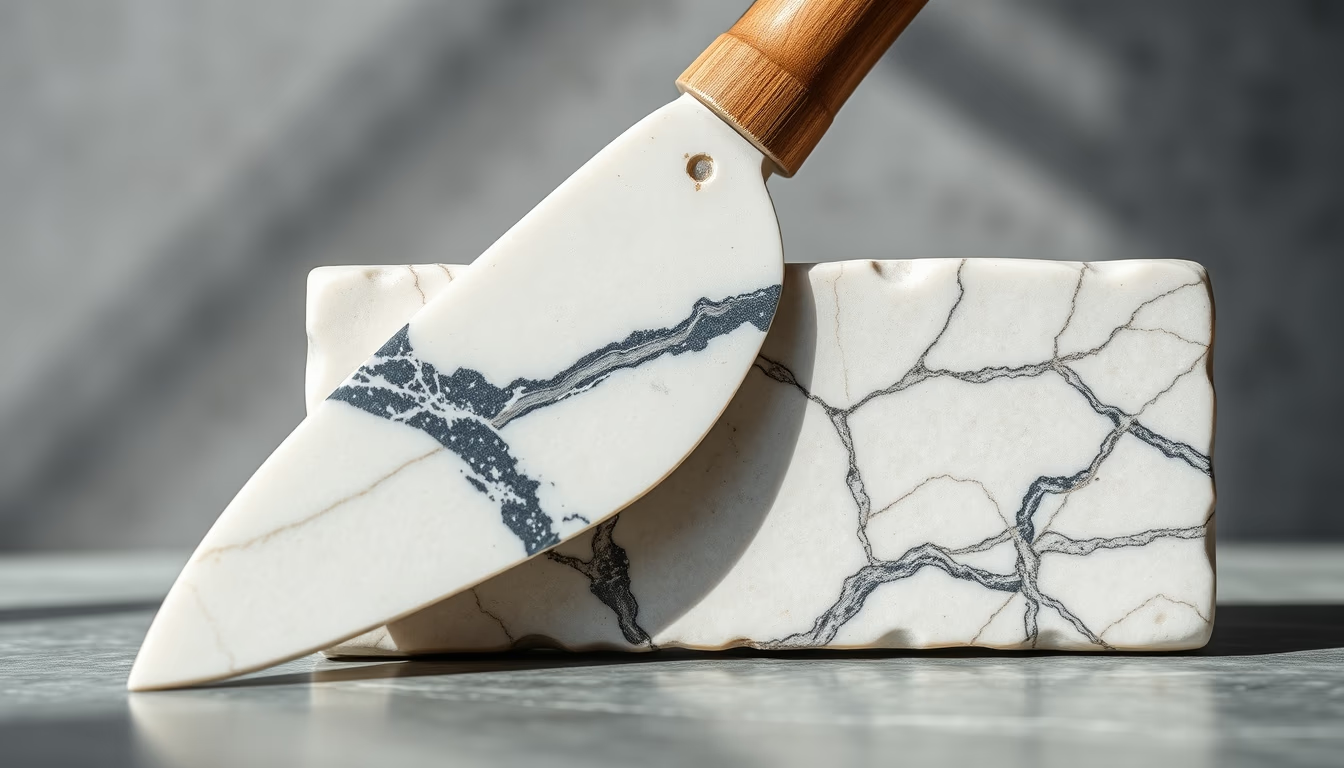
The marble carving chisel is an essential tool in sculpture, used by artists since antiquity to carve monumental works.
About this subject
The marble carving chisel is one of the oldest and most fundamental tools in sculpture history. Archaeological evidence shows that copper and bronze chisels were used by Egyptians and Greeks to carve statues and reliefs in marble and other stones. During the Renaissance, artists like Michelangelo refined chisel techniques, combining different shapes to achieve textures and precision. Main types include the point chisel, used for roughing out; the tooth chisel, which creates parallel grooves; and the flat chisel, for detailed finishing. Today, most chisels are made of hardened steel or carbide tipped, ensuring greater durability.
The technique requires controlled strikes with a mallet or hammer, always following the marble's grain to avoid unwanted chips. Regular sharpening is crucial: a dull chisel can crack the stone or require excessive force, compromising the work. Professional sculptors maintain specific cutting angles, usually between 45 and 60 degrees, depending on stone hardness. Marble, composed mainly of calcite, has medium hardness (3 to 4 on Mohs scale), making it ideal for detailed carving but requiring well adjusted chisels to prevent fractures.
Culturally, the marble carving chisel is linked to masterpieces like Michelangelo's David and the Venus de Milo, both carved with hand tools. In contemporary sculpture, artists still use traditional chisels, although electric and pneumatic tools have gained popularity for rapid material removal. Choosing the right chisel depends on the work stage: point chisels for broad volumes, tooth chisels for texturing, and flat chisels for fine details. Maintenance includes cleaning after use and storage in a dry place. The age old chisel technique remains alive in studios worldwide, preserving a craft that combines physical strength and artistic sensitivity.
Frequently Asked Questions
What is the difference between a point chisel and a tooth chisel?
A point chisel has a sharp tip and is used to remove large chunks of marble during initial roughing out. A tooth chisel has a serrated edge with multiple teeth, creating parallel grooves that help texture the surface and prepare for finishing.
How to choose the right chisel for marble?
The choice depends on the work stage: use a point chisel for broad volumes, a tooth chisel for texturing, and a flat chisel for fine details. Also consider the marble hardness and steel thickness. Tungsten carbide tipped chisels last longer on hard marble.
Why is marble a preferred material for sculptures?
Marble has medium hardness (3 to 4 on Mohs scale), allowing detailed carving without being as fragile as other rocks. Its light color enhances shadows and volumes, and the polish gives a noble finish. It is also relatively homogeneous, making chisel work easier.
Direct URL
https://pub-c7d6a6ea828543ac903a74a341ccb2e1.r2.dev/imagens/marble-carving-chisel-minimalist-composition-fresh0.avifHow to credit
Include a visible link back to UtilizAí. Copy one of the snippets below:
<a href="https://xn--utiliza-eza.com/en/midia/imagens/marble-carving-chisel-minimalist-composition-fresh0">Marble carving chisel</a> by <a href="https://xn--utiliza-eza.com">UtilizAí</a>, licensed under <a href="https://creativecommons.org/licenses/by/4.0/">CC BY 4.0</a>.
[Marble carving chisel](https://xn--utiliza-eza.com/en/midia/imagens/marble-carving-chisel-minimalist-composition-fresh0) by [UtilizAí](https://xn--utiliza-eza.com), CC BY 4.0
License: CC-BY-4.0