Marble carving chisel
1344×768 · AVIF · CC BY 4.0
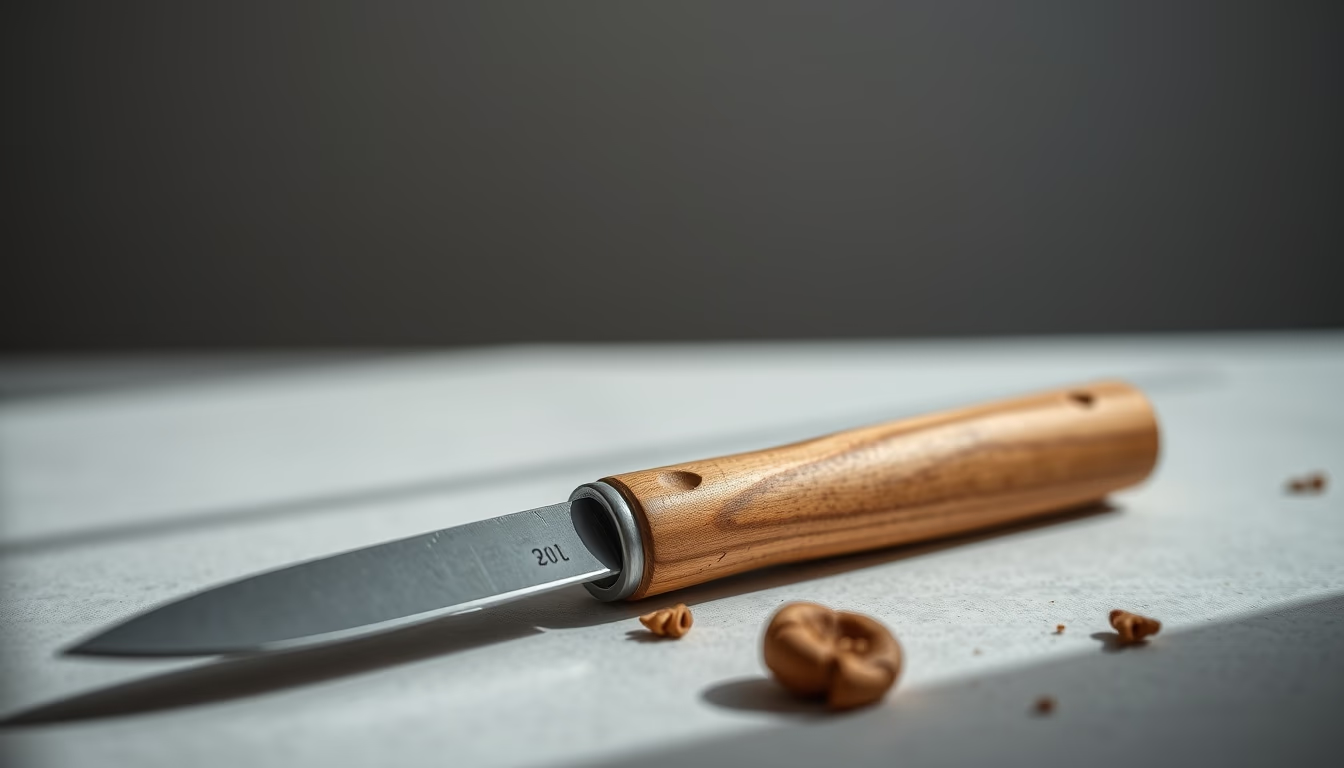
The marble carving chisel is an essential tool in sculpture, with specific variations for different stages of the work.
About this subject
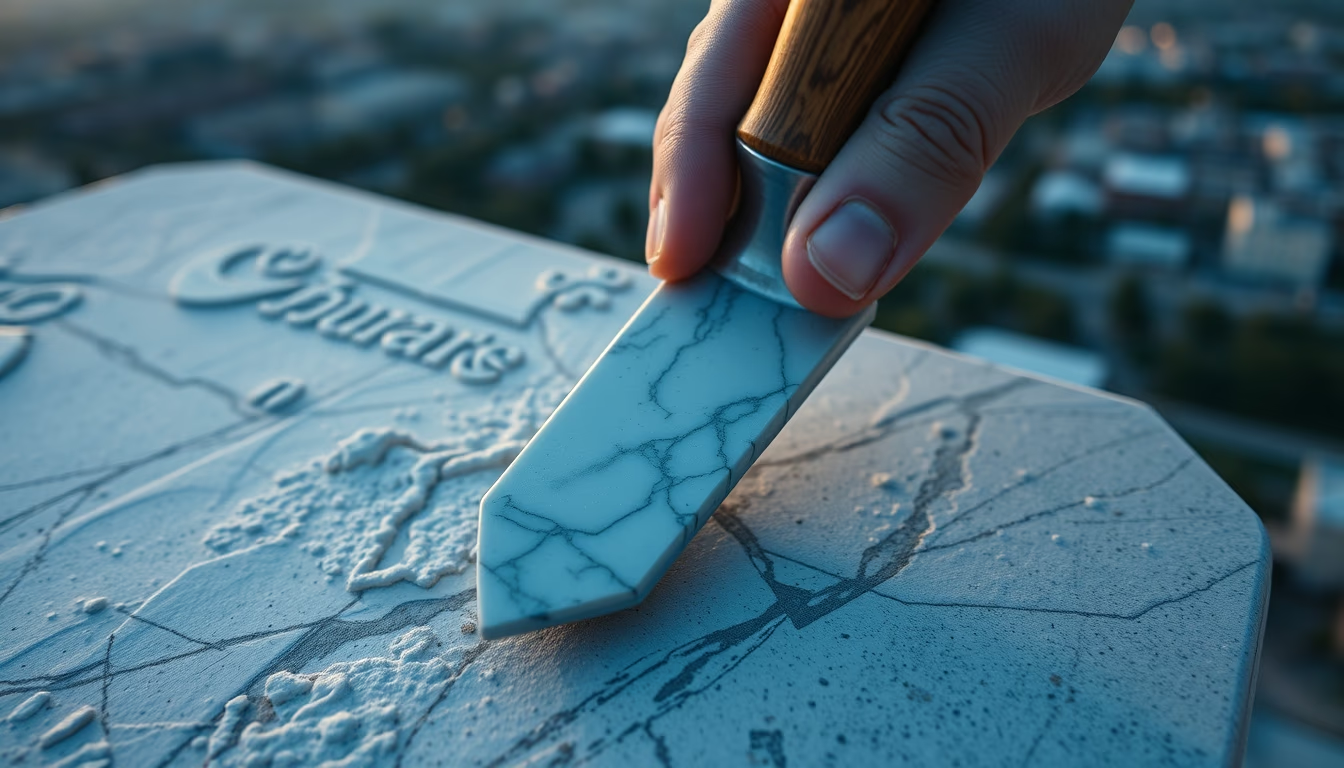
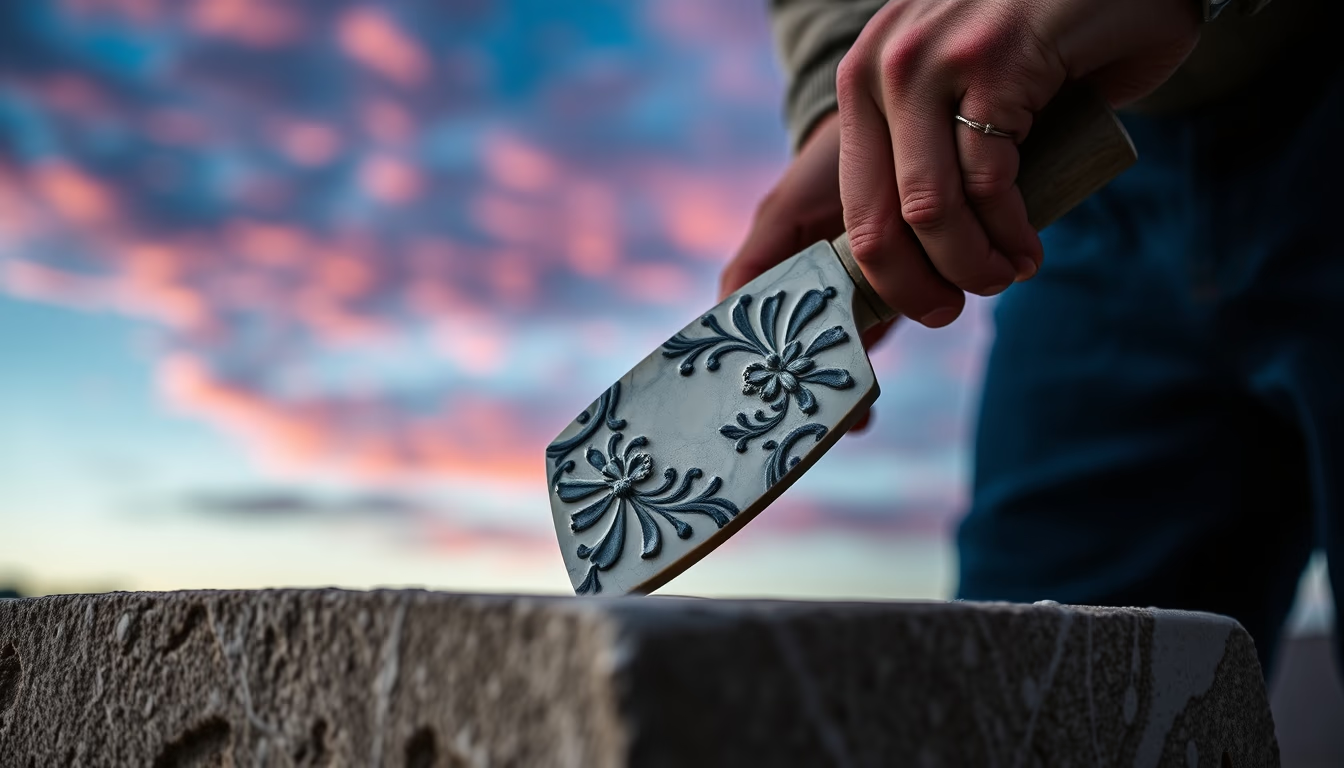
The marble carving chisel is a hand tool consisting of a tempered steel shaft with a sharp edge and a handle. Its main function is to remove marble flakes in a controlled manner, allowing the sculptor to shape the stone. Different types exist, such as the point chisel for roughing out, the tooth chisel for creating textures, and the flat chisel for fine details. Each has specific angles and tip widths, adapted to marble hardness.
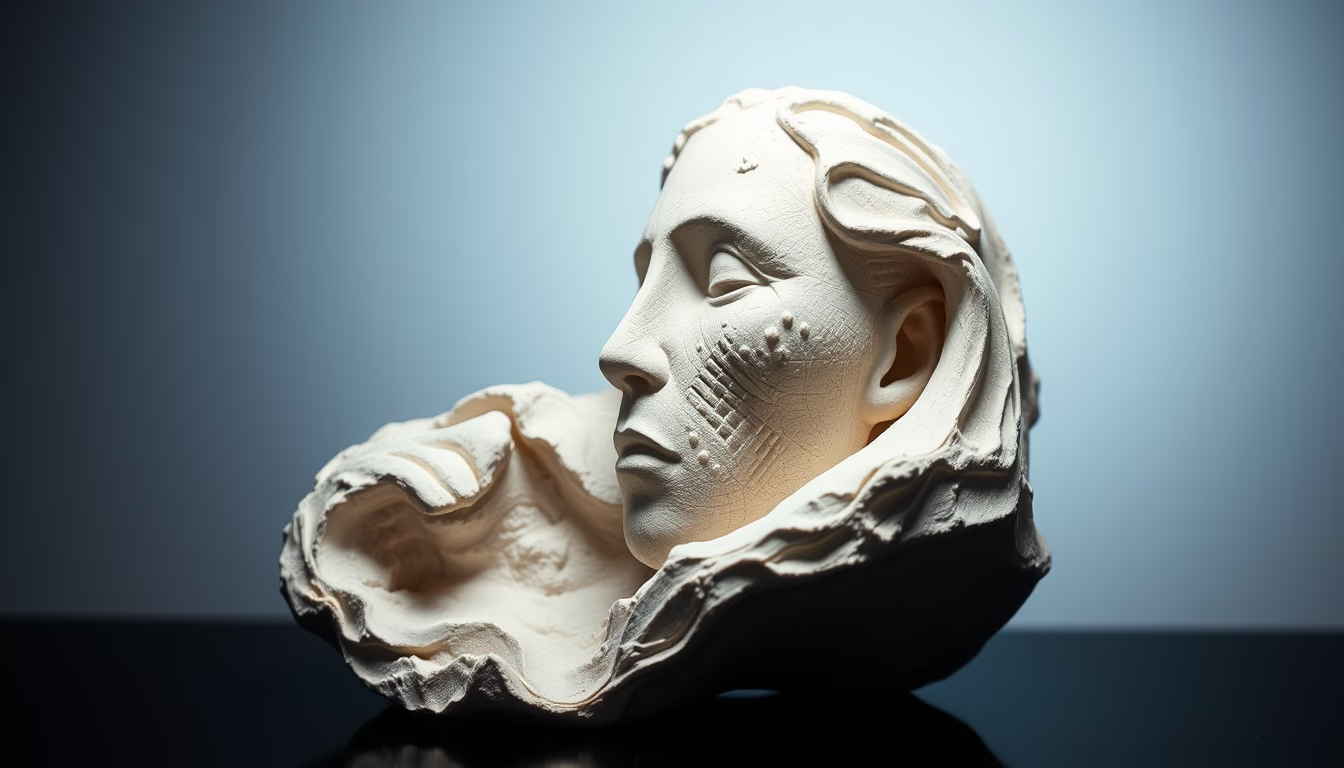
The origin of chisel use in sculpture dates back to Classical Antiquity, especially in Greece and Rome, where marble was widely used for statues and reliefs. Carrara marble in Italy, known for its purity and fine grain, has been carved with hand chisels for centuries. The direct carving technique, where the sculptor works without pre-models, relies crucially on the chisel.
Modern chisels are made with high-strength steel alloys, often tungsten-tipped, for durability. Sharpening is critical: a dull chisel can crack the marble. Experienced sculptors maintain sets with various sizes and shapes, switching as needed. The use of mallets of different weights also affects impact.
Interestingly, the sound of chisel on marble is distinctive and many sculptors use it as a guide for cut depth. In Italy, sculpture schools still teach traditional handling, while contemporary workshops combine power tools and hand tools, but the chisel remains irreplaceable for precise finishes. Marble is a metamorphic rock composed mainly of calcite, relatively soft for carving yet requiring care to avoid fractures.
Frequently Asked Questions
What are the types of marble carving chisels?
Main types are: point chisel (for roughing), tooth chisel (for textures), and flat chisel (for details). There are also curved and carving chisels.
How to choose the right chisel for each stage?
For coarse removal use point chisel; for flat surfaces, flat chisel; for textures, tooth chisel. Tip width should match the detail size.
Why is chisel sharpening important?
A sharp chisel cuts marble without cracking. Sharpening should be done at a specific angle (around 30 degrees) using water stones or diamond stones.
Direct URL
https://pub-c7d6a6ea828543ac903a74a341ccb2e1.r2.dev/imagens/marble-carving-chisel-long-exposure-fresh10.avifHow to credit
Include a visible link back to UtilizAí. Copy one of the snippets below:
<a href="https://xn--utiliza-eza.com/en/midia/imagens/marble-carving-chisel-long-exposure-fresh10">Marble carving chisel</a> by <a href="https://xn--utiliza-eza.com">UtilizAí</a>, licensed under <a href="https://creativecommons.org/licenses/by/4.0/">CC BY 4.0</a>.
[Marble carving chisel](https://xn--utiliza-eza.com/en/midia/imagens/marble-carving-chisel-long-exposure-fresh10) by [UtilizAí](https://xn--utiliza-eza.com), CC BY 4.0
License: CC-BY-4.0