Marble carving chisel
1344×768 · AVIF · CC BY 4.0

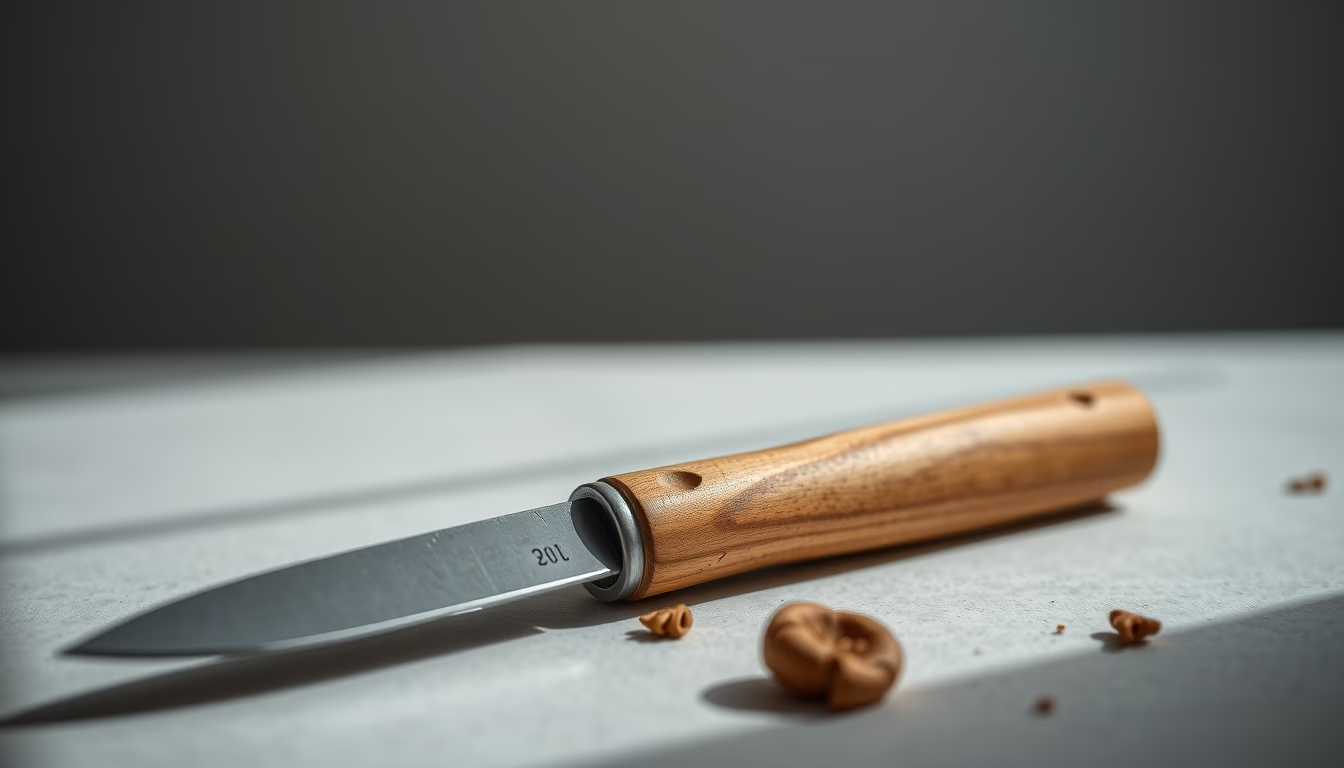
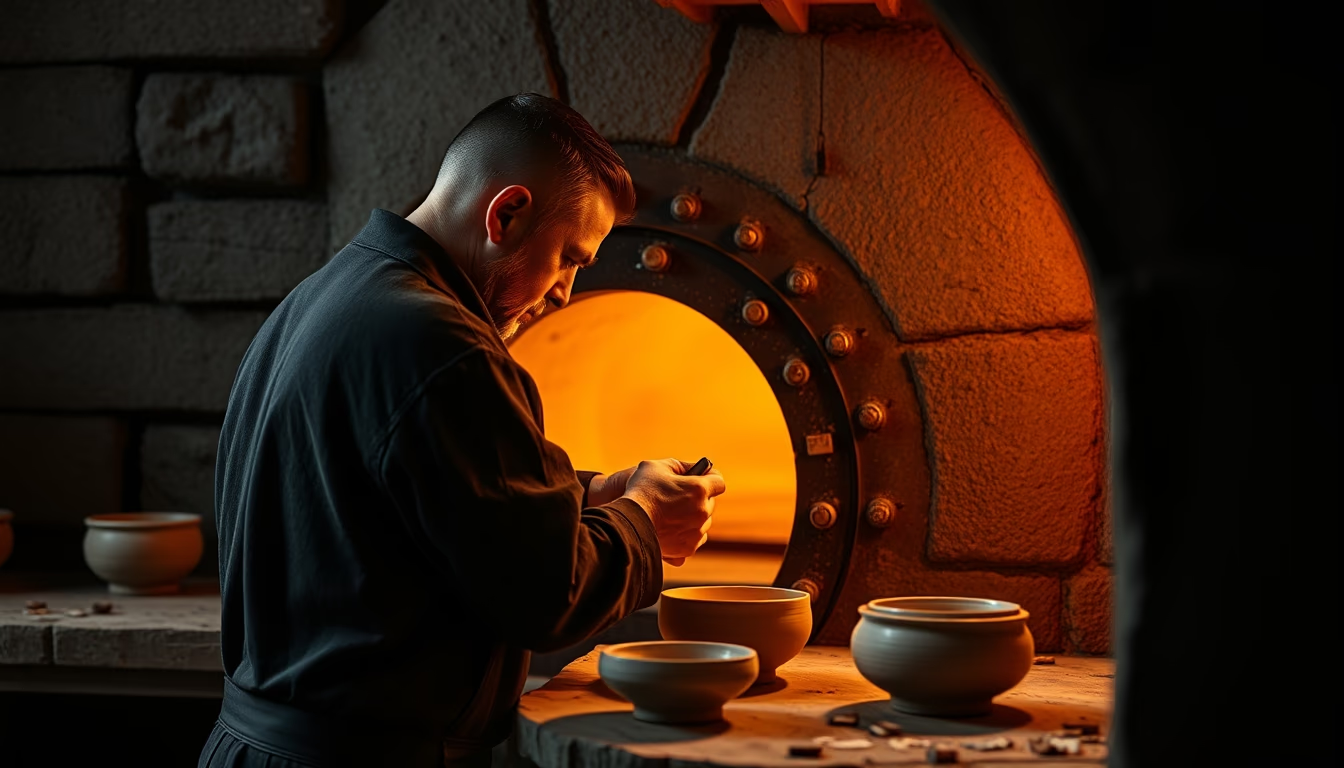
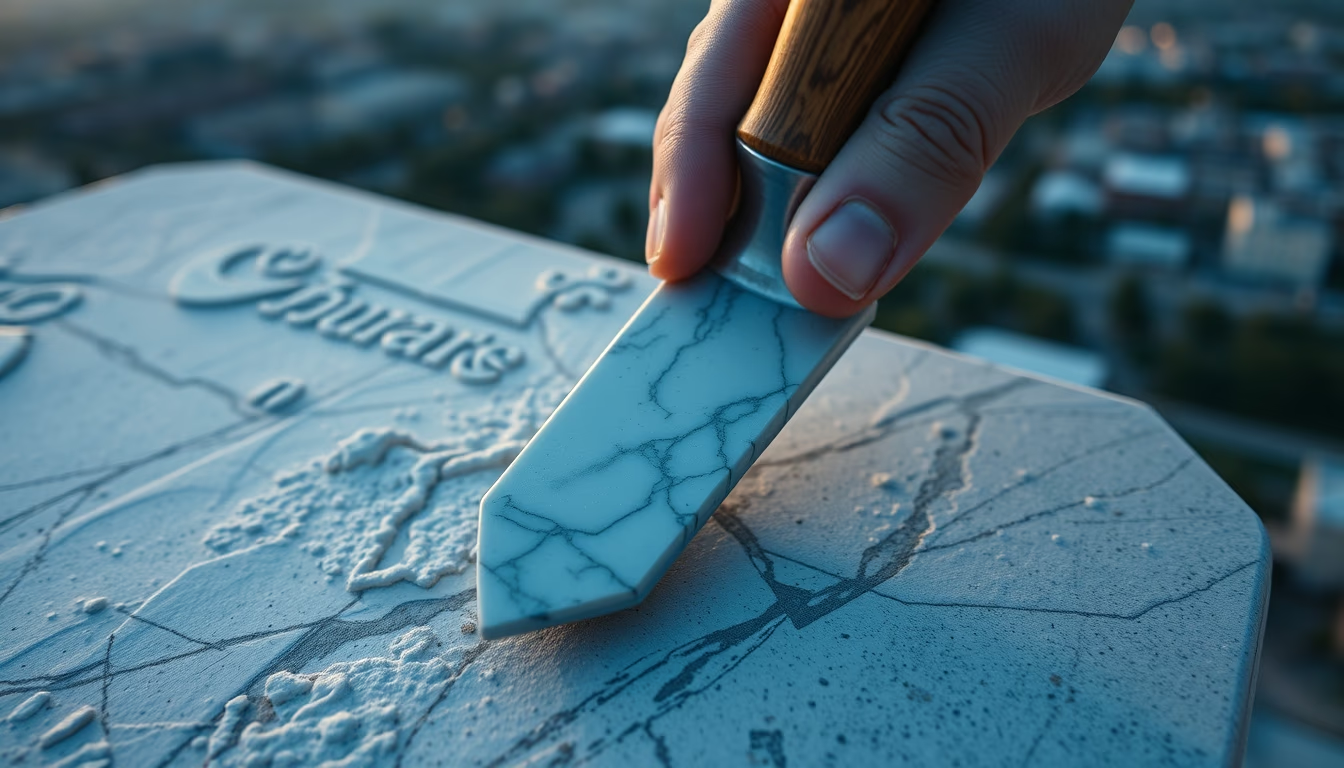
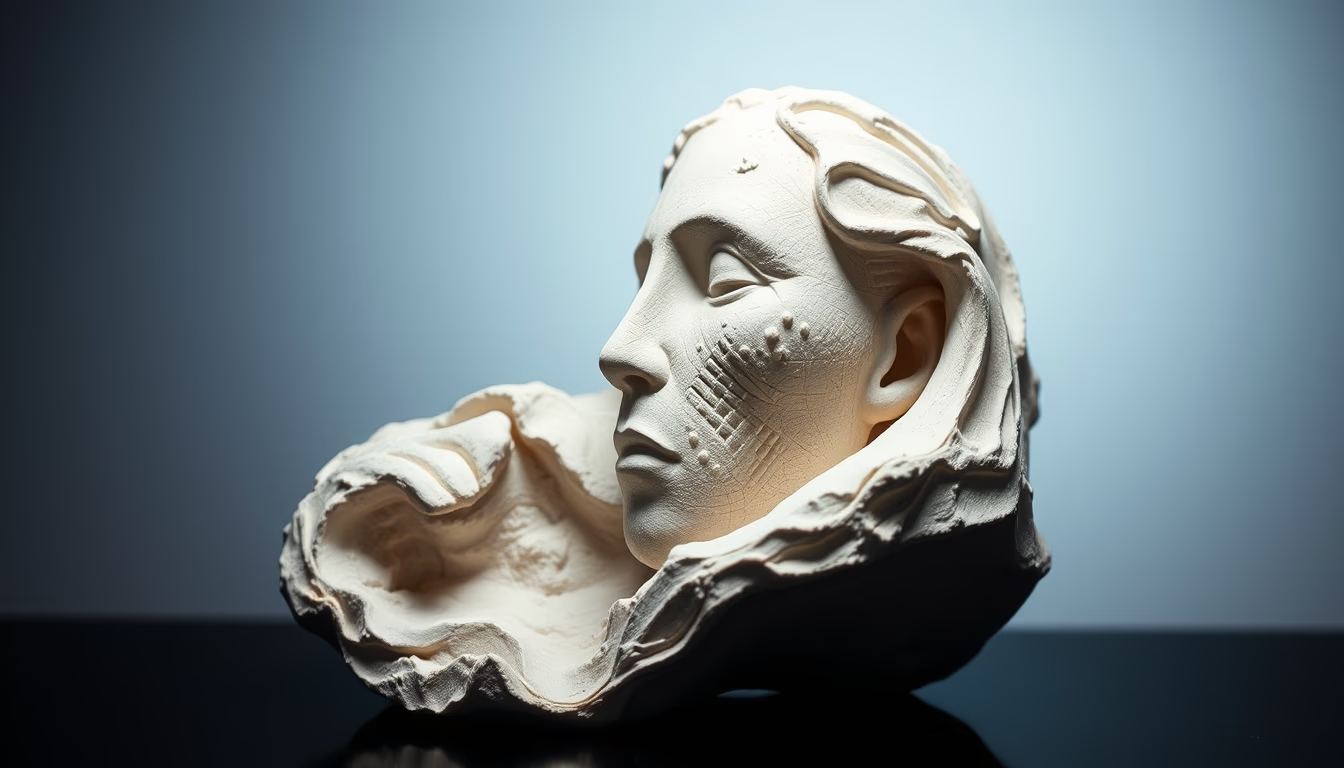
The marble carving chisel is an essential tool in stone sculpture, with centuries of history and technical variations that determine the final finish.
About this subject
The marble carving chisel, also called a stone chisel, is the central tool in the sculptor's craft. Unlike chisels for wood or metal, it must withstand repeated impacts without losing its edge or chipping the stone. Common types include the point chisel, used for roughing out; the tooth chisel, which creates parallel grooves for texture; and the flat chisel, for smooth finishes and fine details. Tips can be straight, curved, or V-shaped, each with a specific application.
Modern chisels are made from hardened carbon steel or high-speed steel, often with a tungsten carbide tip for durability when striking granite or hard marble. Historically, Greeks and Romans used bronze and iron chisels, and manual technique changed little until the 19th century, when pneumatic tools emerged. Still, contemporary sculptors often use hand chisels for artistic control.
Chisel selection depends on marble hardness and desired effect. Carrara marble (Italy) is relatively soft, allowing fine detail with narrow chisels. Harder stones like granite require reinforced chisels and heavier hammers. Sharpening angles vary: more acute (20-30 degrees) for soft stone, more obtuse (40-50 degrees) for hard. Besides the chisel, the sculptor uses a mallet (wood, rubber, or metal) depending on precision needed.
Fun fact: Michelangelo's famous “David” was carved with wrought iron chisels, many made by the artist himself. Today, stone carving workshops preserve traditional chisel use while also adopting power tools for initial stages. Maintenance involves periodic sharpening on a whetstone or grindstone, and proper tempering prevents breakage. Understanding these tools is key to appreciating the materiality of stone sculpture.
Frequently Asked Questions
What are the types of marble chisels and their uses?
Main types: point chisel (roughing out), tooth chisel (texturing), flat chisel (smooth finish), and V-chisel (linear details). Each has a specific tip shape for different stages of carving.
How to choose the right chisel for a specific marble?
Soft marble like Carrara needs sharper angles (20-30°) and carbon steel chisels. Hard marble or granite requires obtuse angles (40-50°) and carbide-tipped chisels for durability.
What is the difference between manual and pneumatic chisels in sculpture?
Manual chisels offer full artistic control, ideal for details and finishing. Pneumatic chisels (air-powered) remove material faster for roughing out but require skill to avoid damaging the stone.
Direct URL
https://pub-c7d6a6ea828543ac903a74a341ccb2e1.r2.dev/imagens/marble-carving-chisel-high-fashion-editorial-fresh5.avifHow to credit
Include a visible link back to UtilizAí. Copy one of the snippets below:
<a href="https://xn--utiliza-eza.com/en/midia/imagens/marble-carving-chisel-high-fashion-editorial-fresh5">Marble carving chisel</a> by <a href="https://xn--utiliza-eza.com">UtilizAí</a>, licensed under <a href="https://creativecommons.org/licenses/by/4.0/">CC BY 4.0</a>.
[Marble carving chisel](https://xn--utiliza-eza.com/en/midia/imagens/marble-carving-chisel-high-fashion-editorial-fresh5) by [UtilizAí](https://xn--utiliza-eza.com), CC BY 4.0
License: CC-BY-4.0