Mammoth hot springs
1344×768 · AVIF · CC BY 4.0
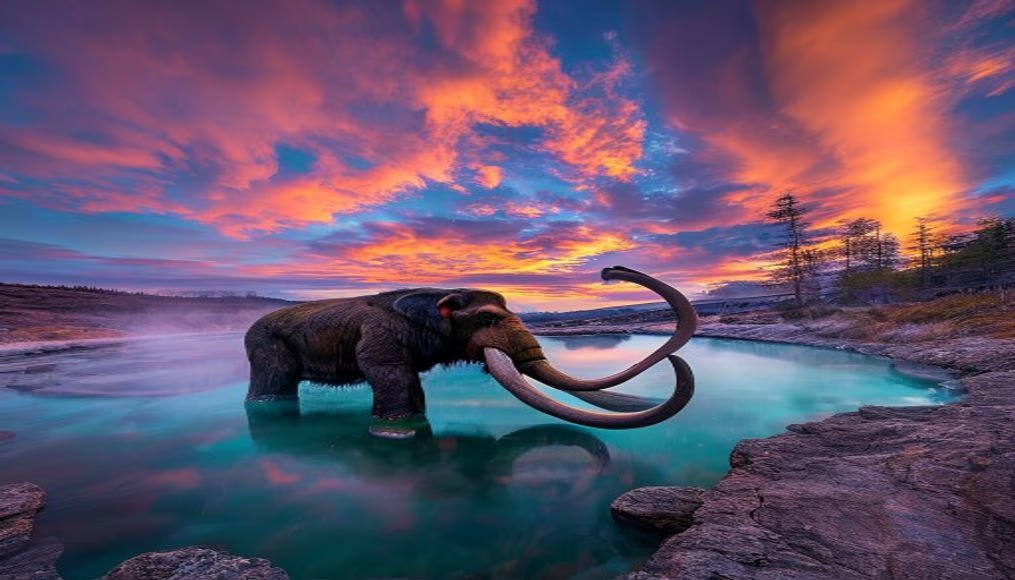
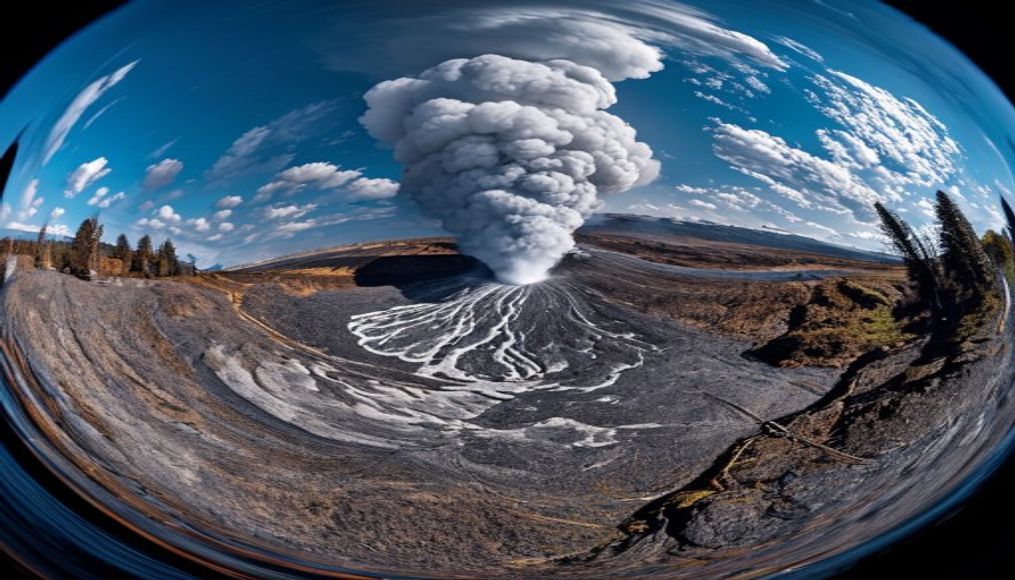
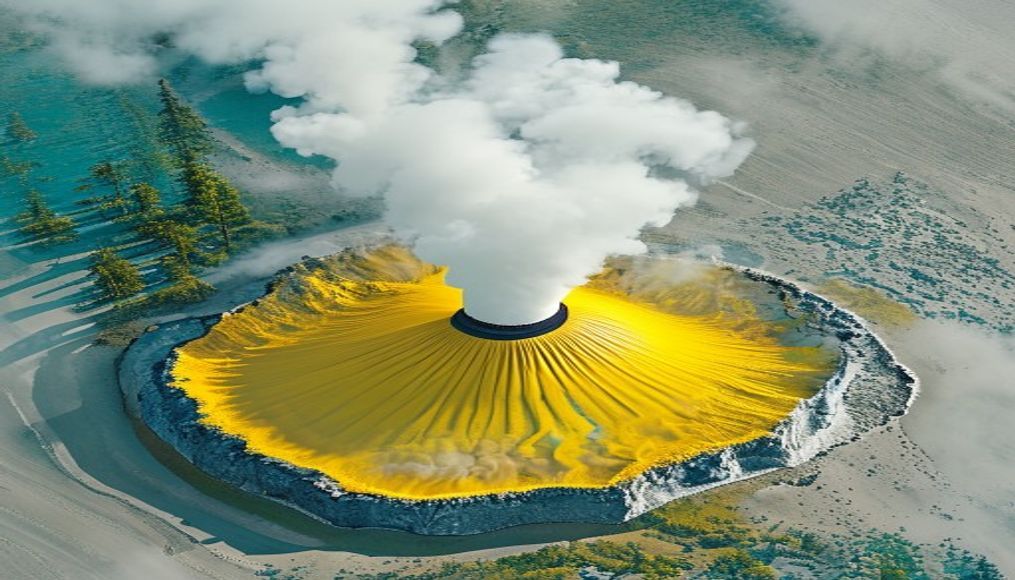
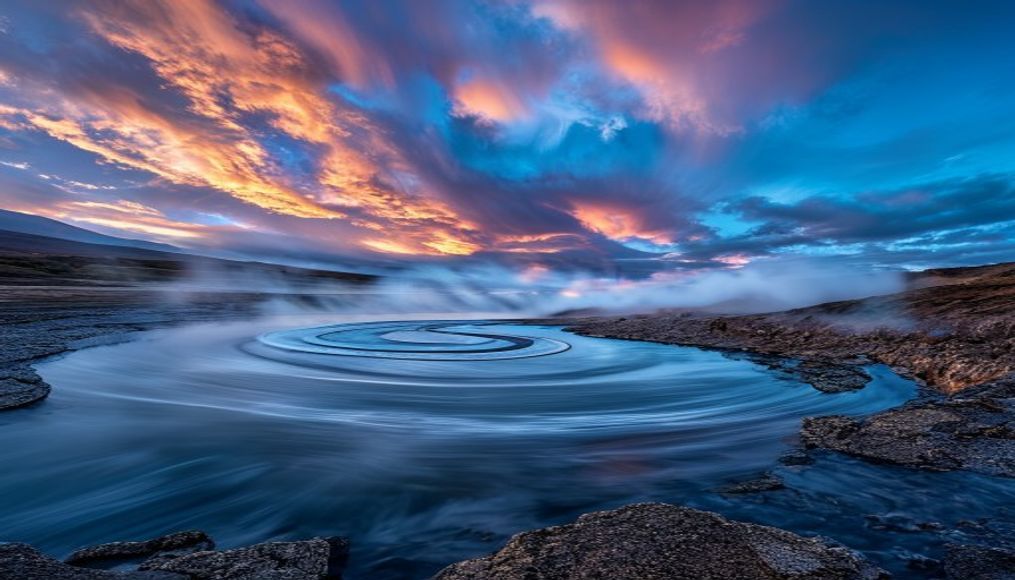
Mammoth Hot Springs is one of the most impressive hot spring systems in Yellowstone National Park, United States, known for its travertine terrace formations.
About this subject
Mammoth Hot Springs is located in the northwestern part of Yellowstone National Park, near Gardiner, Montana. It is a complex of hot springs that deposit calcium carbonate, building massive travertine terraces. Hot water emerges from a geological fault and, as it cools, releases minerals that solidify in layers, creating structures that constantly change in shape and color.
The vibrant colors of the terraces result from thermophiles, microorganisms that thrive at high temperatures. Mats of cyanobacteria, algae, and other microbes pigment the rocks in shades of orange, yellow, green, and brown. Biological activity varies with water temperature and depth, producing unique patterns each season.
Historically, Mammoth Hot Springs has been a tourist destination since the park's establishment in 1872. The area includes the former Fort Yellowstone and now houses the visitor center and Albright Visitor Center. The hot springs are part of Yellowstone's hydrothermal system, fed by a shallow magma chamber that heats water to temperatures above 70°C (158°F).
Interestingly, the flow of the springs can shift dramatically due to earthquakes or seasonal variations. Some areas, like the famous Minerva Terrace, may dry up for years and then reactivate. The landscape is constantly evolving, with new terraces forming and others being dissolved by acidic rain.
Frequently Asked Questions
Why do the colors of Mammoth Hot Springs change?
The colors are caused by thermophiles, microorganisms living at different water temperatures. Cyanobacteria, algae, and other microbes produce pigments ranging from green to orange, depending on temperature and light.
Is it safe to swim in Mammoth Hot Springs?
No. The water is extremely hot (above 70°C) and acidic, and contains minerals that can cause burns. Swimming is prohibited to protect visitors and the fragile microbial ecosystems.
Are the travertine formations permanent?
No. They are constantly changing due to water flow, earthquakes, and erosion. Some terraces may dry up and collapse, while new ones form elsewhere.
Direct URL
https://pub-c7d6a6ea828543ac903a74a341ccb2e1.r2.dev/imagens/mammoth-hot-springs-long-exposure-p1.avifHow to credit
Include a visible link back to UtilizAí. Copy one of the snippets below:
<a href="https://xn--utiliza-eza.com/en/midia/imagens/mammoth-hot-springs-long-exposure-p1">Mammoth hot springs</a> by <a href="https://xn--utiliza-eza.com">UtilizAí</a>, licensed under <a href="https://creativecommons.org/licenses/by/4.0/">CC BY 4.0</a>.
[Mammoth hot springs](https://xn--utiliza-eza.com/en/midia/imagens/mammoth-hot-springs-long-exposure-p1) by [UtilizAí](https://xn--utiliza-eza.com), CC BY 4.0
License: CC-BY-4.0