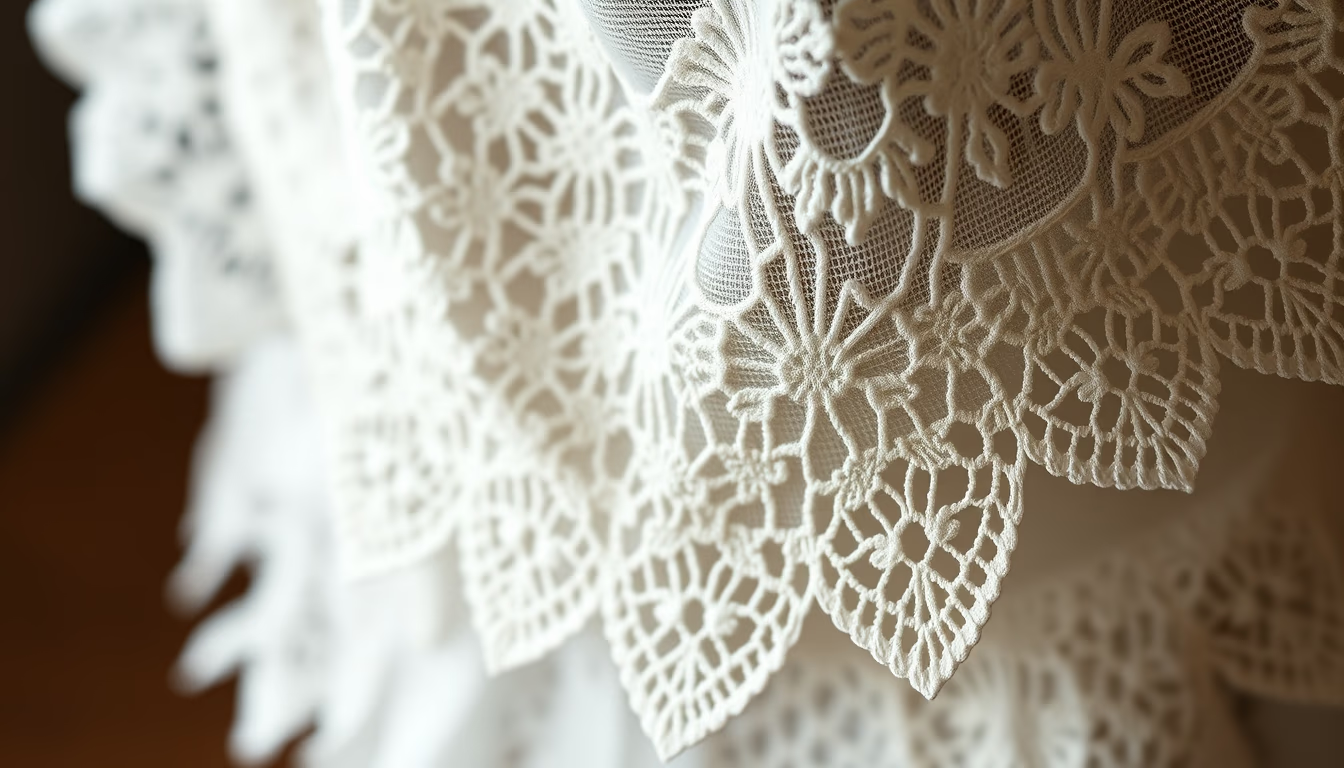
Macrame wall hanging
1344×768 · AVIF · CC BY 4.0
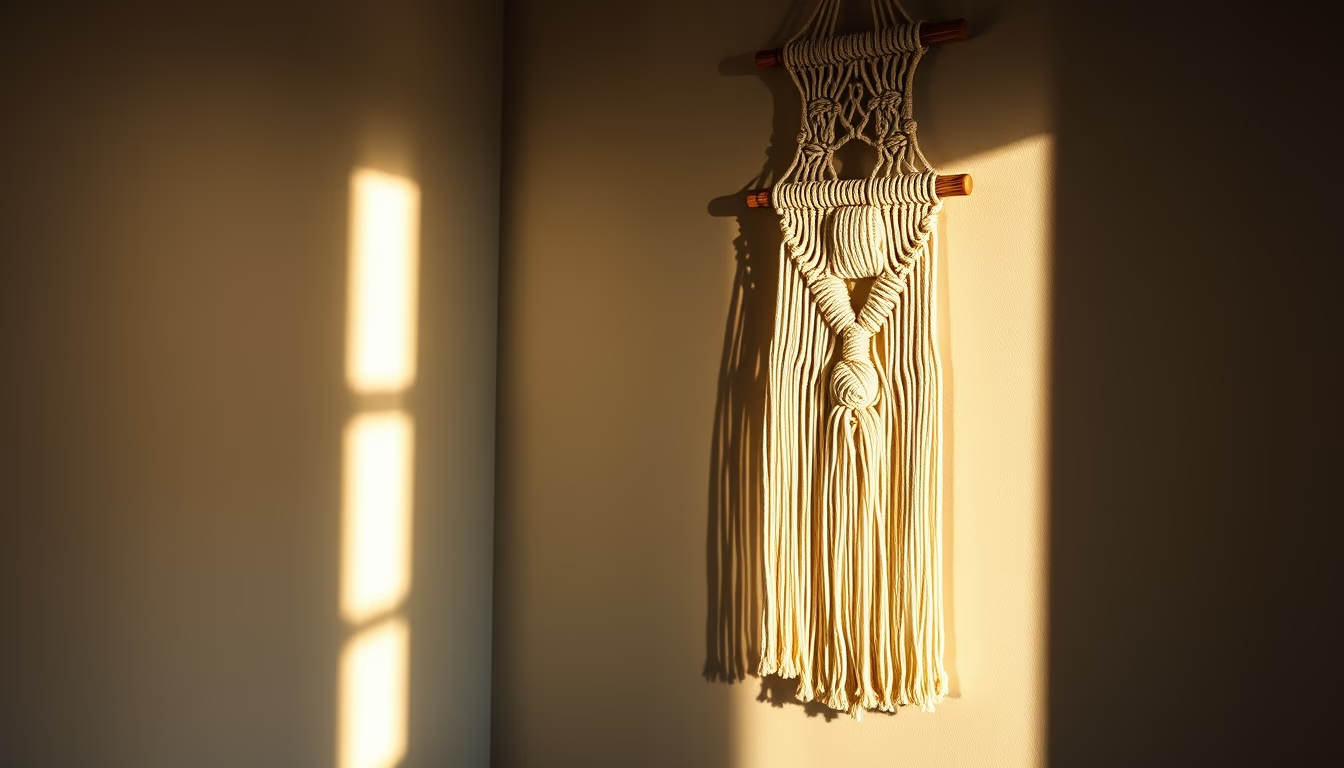
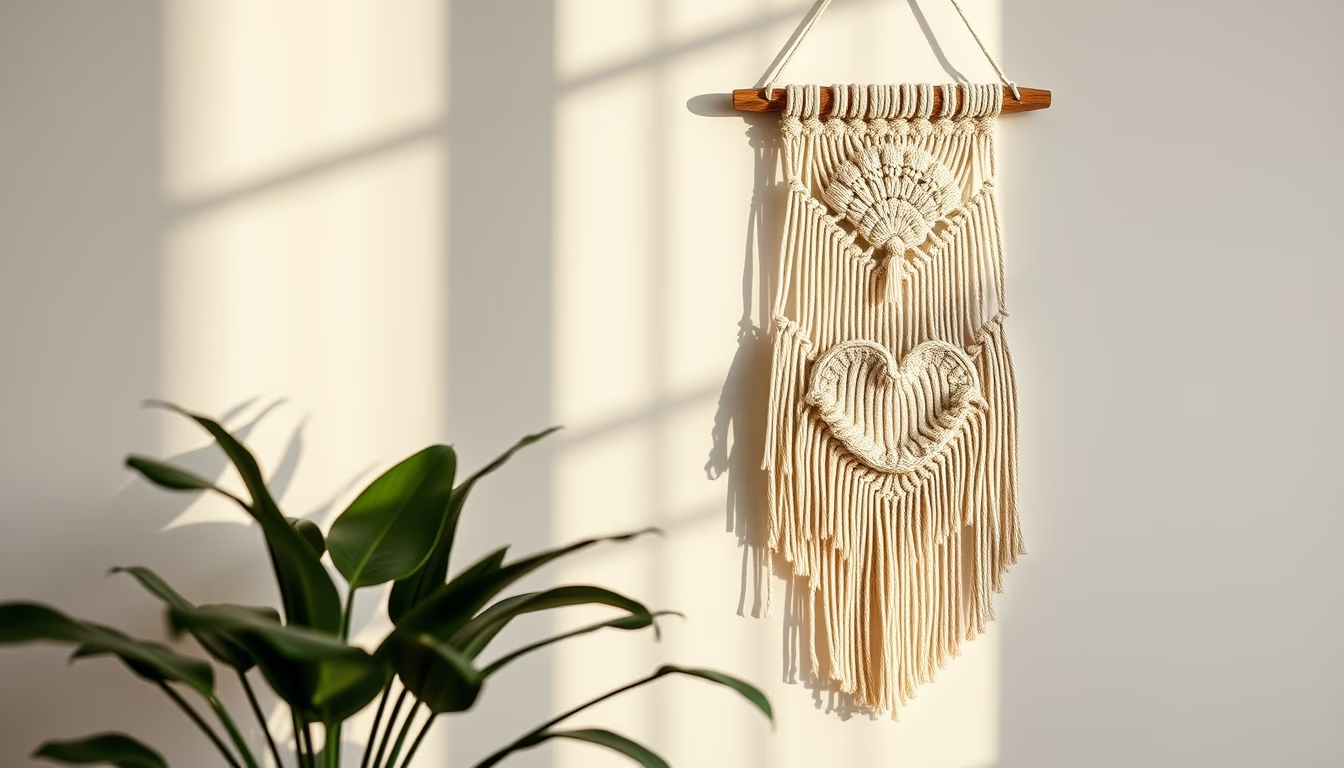
Macrame wall hanging: a textile craft combining decorative knots and functional design, present in diverse cultures.
About this subject
Macrame is a manual weaving technique that uses knots to create fringes, patterns, and textures, without needles or looms. Originating from 13th-century Arab traditions, the term derives from Arabic 'migramah' or Turkish 'makrama', meaning fringed towel or cloth. During the Renaissance, the technique spread across Europe, used in liturgical vestments and noble garments. In the 19th century, macrame became popular in Victorian England for decorating curtains, shawls, and even fishing nets. In the 1970s, the hippie movement revived it as a symbol of craftsmanship and counterculture, with items like wall hangings and plant hangers. Today, macrame is experiencing a revival in interior design, valuing handmade and sustainable practices. Common materials include cotton, linen, jute, or synthetic cords, and basic knots include the square knot, spiral knot, and lark's head knot. A curiosity: in Mayan culture, macrame was used to record calendars and events, functioning as a textile writing system. The versatility of the technique allows creating from small keychains to large-scale wall panels, such as the work of Brazilian artist Renata Meins, who integrates macrame with contemporary sculpture.
Frequently Asked Questions
What are the basic materials to start macrame?
Beginners typically use waxed cotton or linen cords, which are soft and easy to untie. Scissors, a measuring tape, and a support such as a ring or wooden dowel are also needed.
Is macrame a difficult technique to learn?
No. The fundamental knots, like the square knot and spiral knot, are simple to learn and allow creating a variety of patterns. With practice, more complex projects like wall panels or bags become achievable.
What is the cultural origin of macrame?
Macrame has roots in 13th-century Arab traditions, spread by travelers and merchants. The technique reached Europe during the Renaissance and was adapted by different cultures, including the Mayans, who used it to record information.
Direct URL
https://pub-c7d6a6ea828543ac903a74a341ccb2e1.r2.dev/imagens/macrame-wall-hanging-rembrandt-lighting-dramatic-shadows-fresh10.avifHow to credit
Include a visible link back to UtilizAí. Copy one of the snippets below:
<a href="https://xn--utiliza-eza.com/en/midia/imagens/macrame-wall-hanging-rembrandt-lighting-dramatic-shadows-fresh10">Macrame wall hanging</a> by <a href="https://xn--utiliza-eza.com">UtilizAí</a>, licensed under <a href="https://creativecommons.org/licenses/by/4.0/">CC BY 4.0</a>.
[Macrame wall hanging](https://xn--utiliza-eza.com/en/midia/imagens/macrame-wall-hanging-rembrandt-lighting-dramatic-shadows-fresh10) by [UtilizAí](https://xn--utiliza-eza.com), CC BY 4.0
License: CC-BY-4.0