Loom weaving alpaca
1344×768 · AVIF · CC BY 4.0
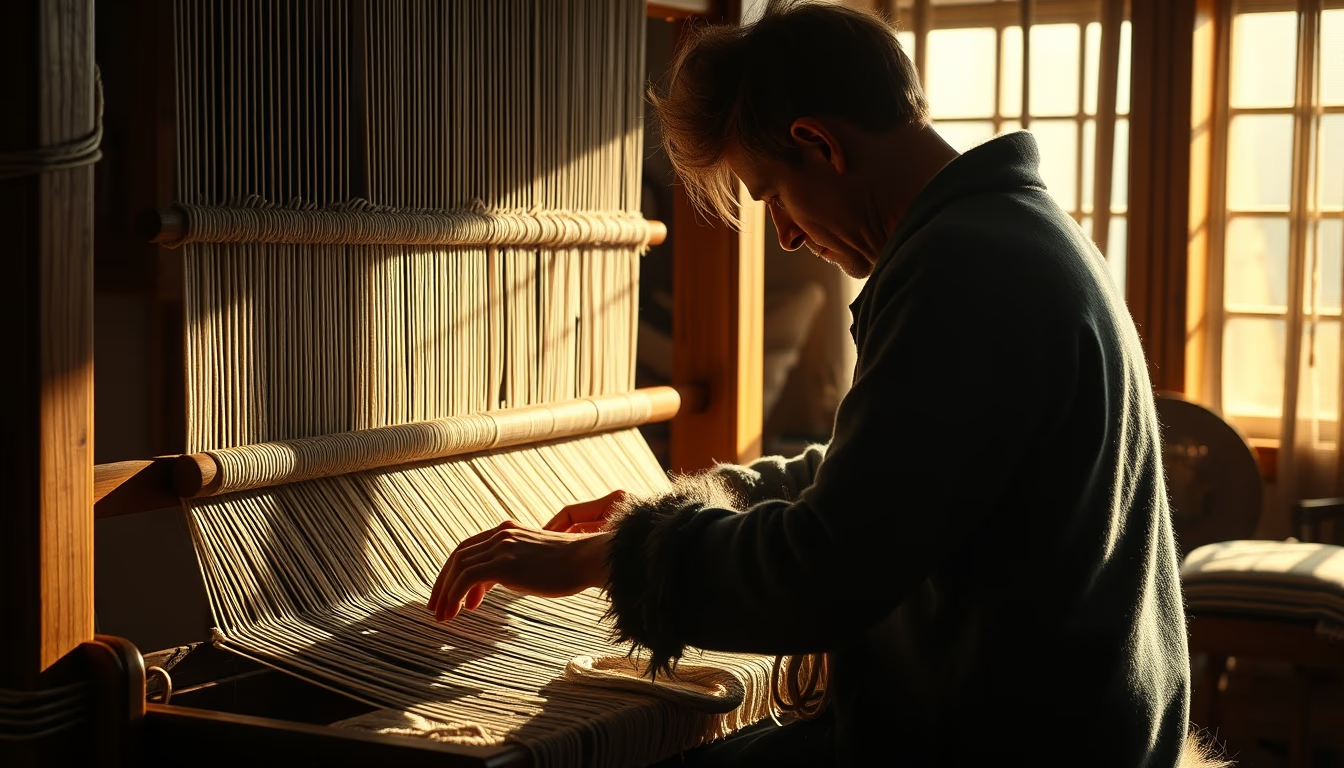
Alpaca is a luxurious, hypoallergenic fiber traditionally hand-loomed in the Peruvian Andes, producing soft and durable textiles.
About this subject
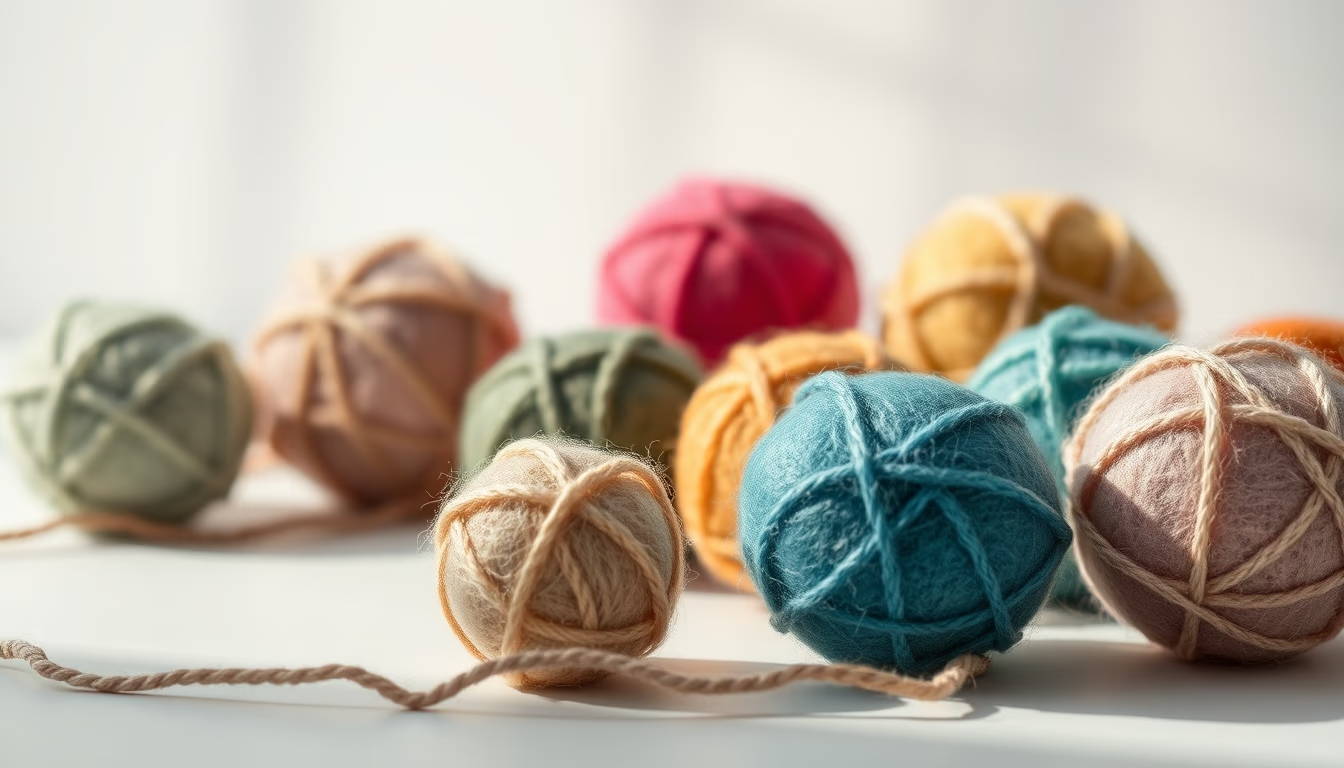
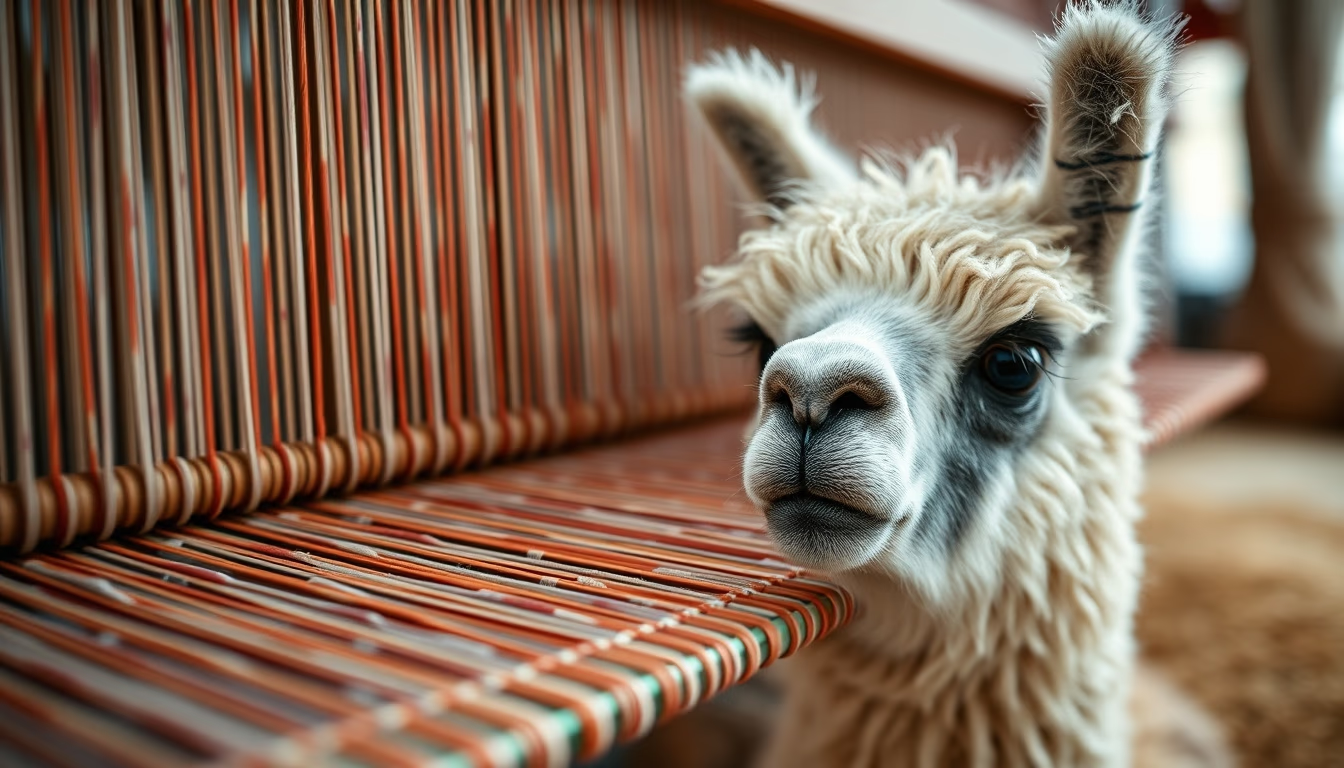
Alpaca fiber comes from shearing alpacas, mammals native to the Andes, especially Peru, the world's largest producer. Two main breeds exist: Huacaya (curly, dense fiber) and Suri (straight, silky locks). Alpaca wool is prized for its softness, lightness, thermoregulation, and lack of lanolin, making it hypoallergenic and suitable for sensitive skin. It is warmer than sheep wool and less prickly.
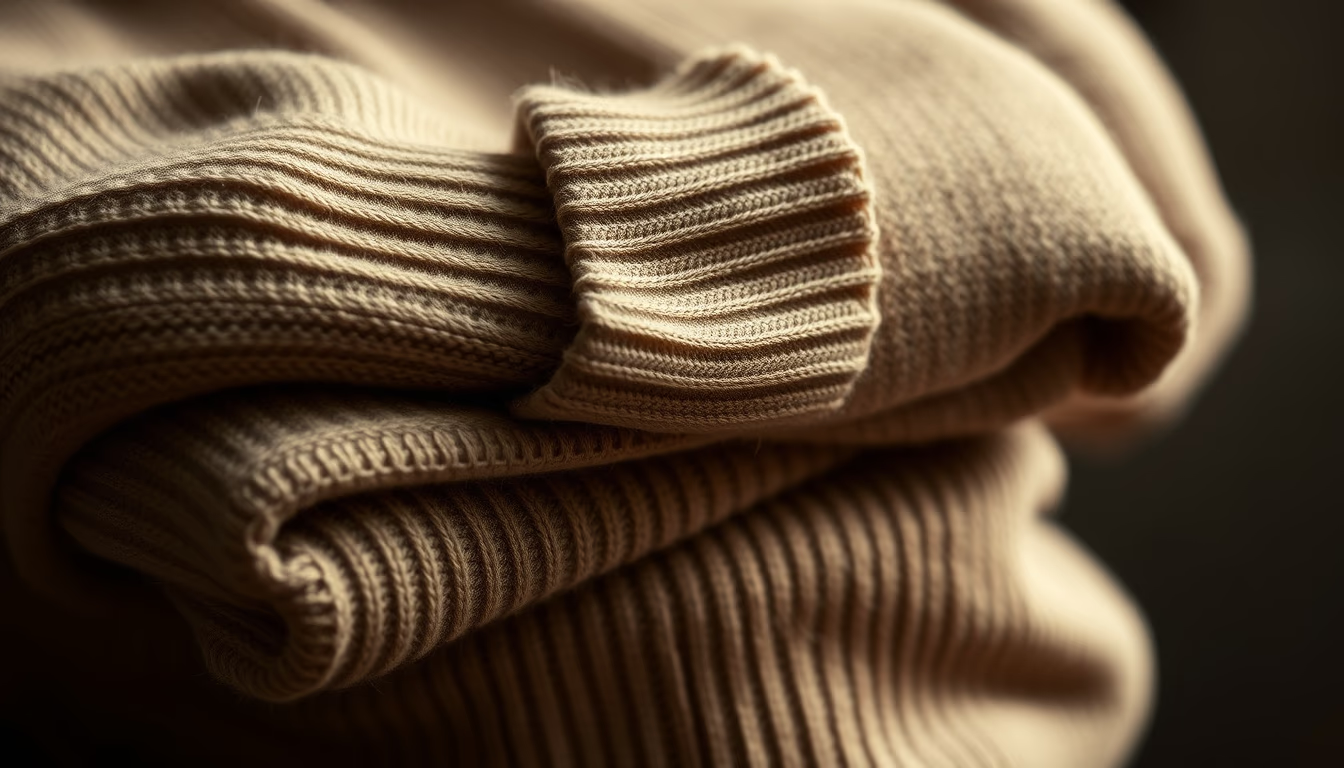
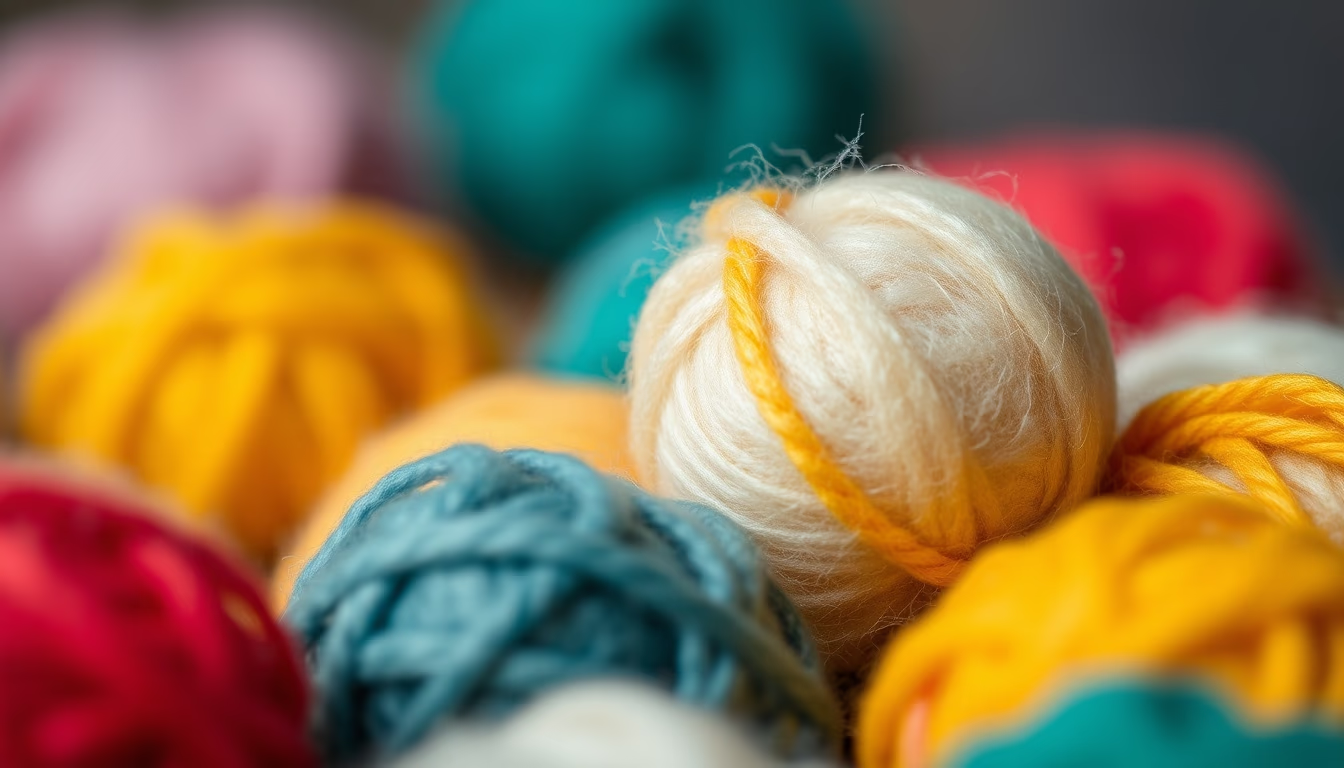
Handloom weaving is an ancient Andean craft, with indigenous communities preserving pre-Columbian techniques. Using backstrap or floor looms, artisans create geometric patterns and vibrant colors from natural dyes derived from plants, minerals, and insects. The alpaca yarn is first hand-spun or machine-spun, then dyed and woven into items like ponchos, blankets, scarves, and rugs. The Cusco region and Sacred Valley are renowned centers of this production.
Alpaca plays a vital economic and cultural role for Andean communities. Fair trade and origin certification have boosted the value of this handicraft, generating income for weaving families. Moreover, alpaca fiber is increasingly used in sustainable fashion, competing with cashmere and merino wool. Suri alpaca can produce fibers up to 30 cm long, ideal for fine textiles. Global demand grows, but respect for traditional methods and animal welfare remains key.
Frequently Asked Questions
What makes alpaca fiber special?
Alpaca fiber is softer, lighter, and warmer than sheep wool, and it is hypoallergenic because it lacks lanolin. Its thermoregulating properties make it ideal for cold climates.
How is alpaca fabric made?
The process begins with shearing, followed by cleaning, carding, spinning, and dyeing with natural dyes. Then the fiber is woven on a handloom, resulting in unique, handmade pieces.
Where are alpaca textiles produced?
Artisanal production takes place mainly in the Peruvian Andes, especially in regions like Cusco, Puno, and Arequipa. Peru accounts for over 80% of the world's alpaca fiber.
Direct URL
https://pub-c7d6a6ea828543ac903a74a341ccb2e1.r2.dev/imagens/loom-weaving-alpaca-rembrandt-lighting-dramatic-shadows-fresh12.avifHow to credit
Include a visible link back to UtilizAí. Copy one of the snippets below:
<a href="https://xn--utiliza-eza.com/en/midia/imagens/loom-weaving-alpaca-rembrandt-lighting-dramatic-shadows-fresh12">Loom weaving alpaca</a> by <a href="https://xn--utiliza-eza.com">UtilizAí</a>, licensed under <a href="https://creativecommons.org/licenses/by/4.0/">CC BY 4.0</a>.
[Loom weaving alpaca](https://xn--utiliza-eza.com/en/midia/imagens/loom-weaving-alpaca-rembrandt-lighting-dramatic-shadows-fresh12) by [UtilizAí](https://xn--utiliza-eza.com), CC BY 4.0
License: CC-BY-4.0