Loom weaving alpaca
1344×768 · AVIF · CC BY 4.0
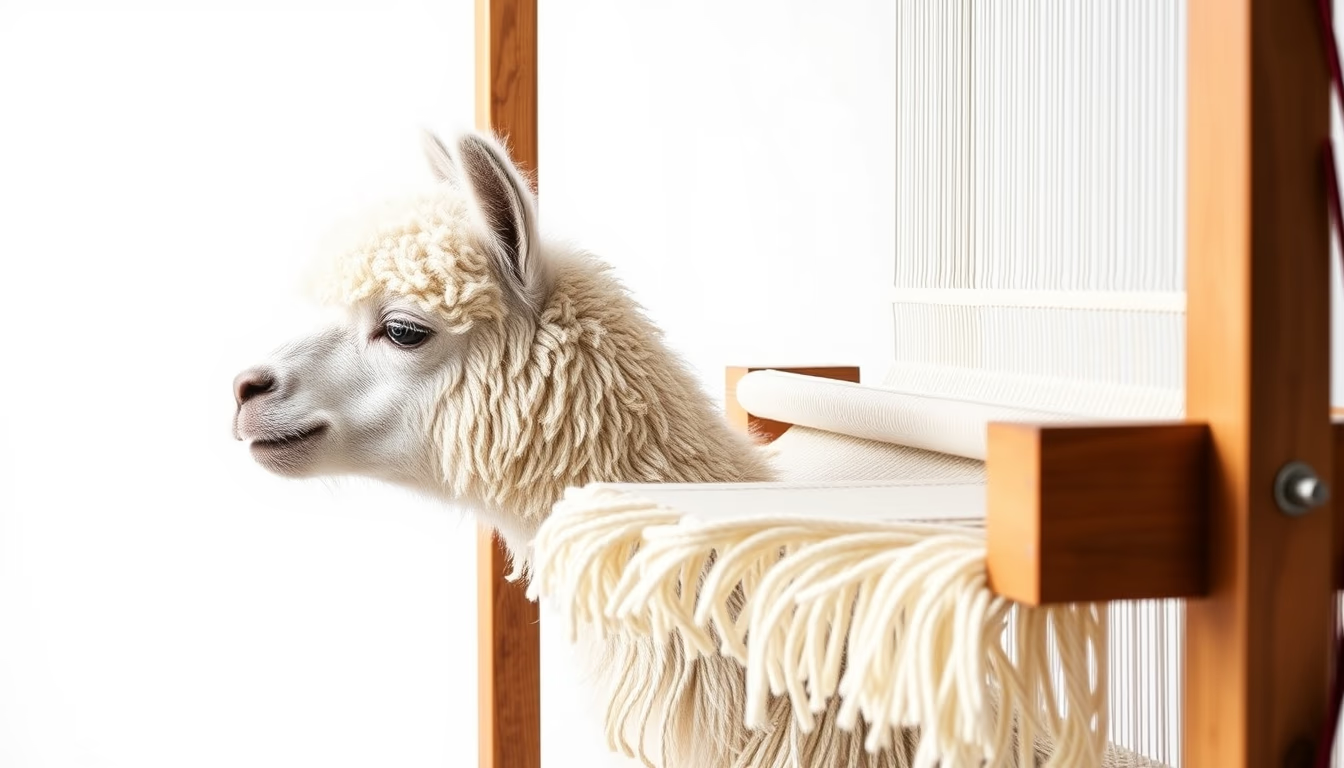
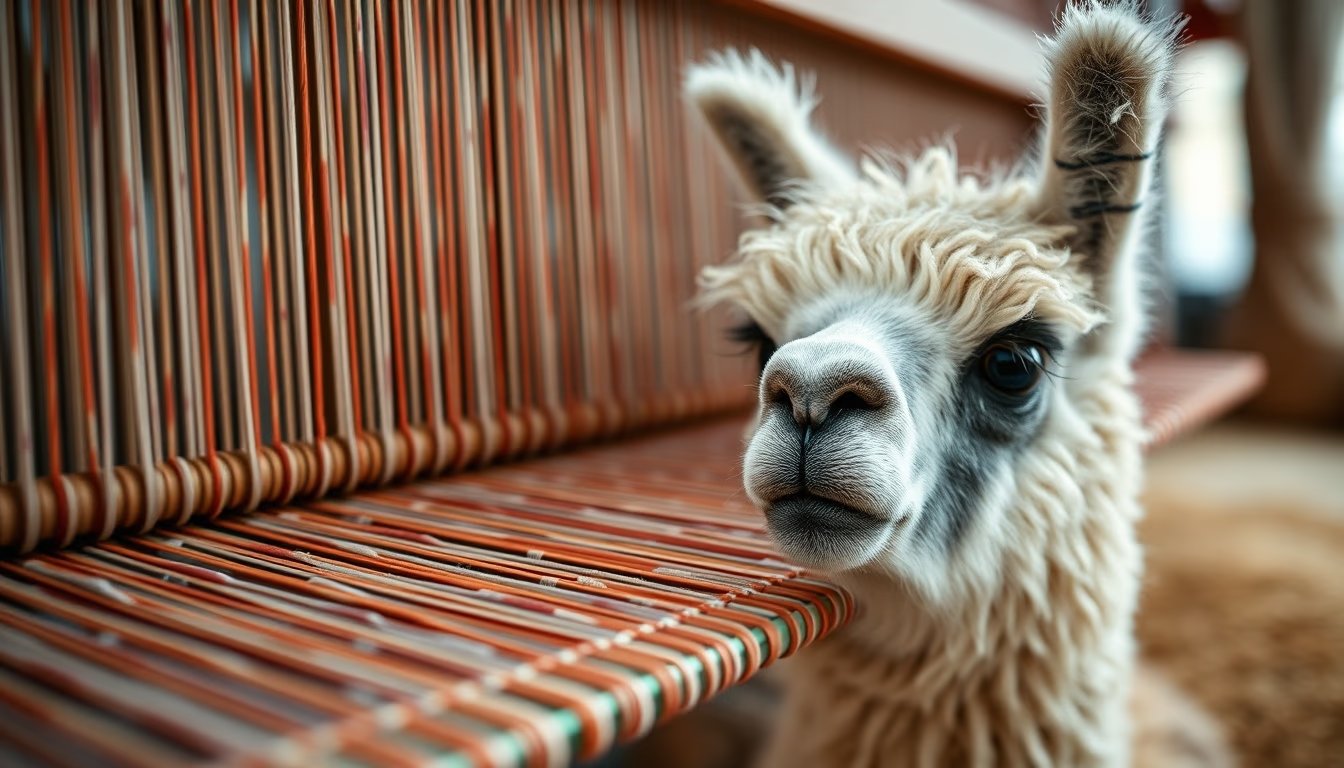
Tecelagem de fibra de alpaca em tear manual, um ofício tradicional dos Andes peruanos que produz tecidos de alta qualidade.
Sobre o tema
A fibra de alpaca é uma das mais valorizadas no mundo têxtil, famosa por sua suavidade, leveza e propriedades térmicas. Originária dos Andes peruanos, a alpaca é criada há milênios por povos andinos, que desenvolveram técnicas de tecelagem manual passadas de geração em geração. Existem duas raças principais: a Huacaya, com fibra encaracolada e densa, e a Suri, com fibras longas e sedosas. A fibra é hipoalergênica, não contém lanolina, e é mais resistente que a lã de ovelha.
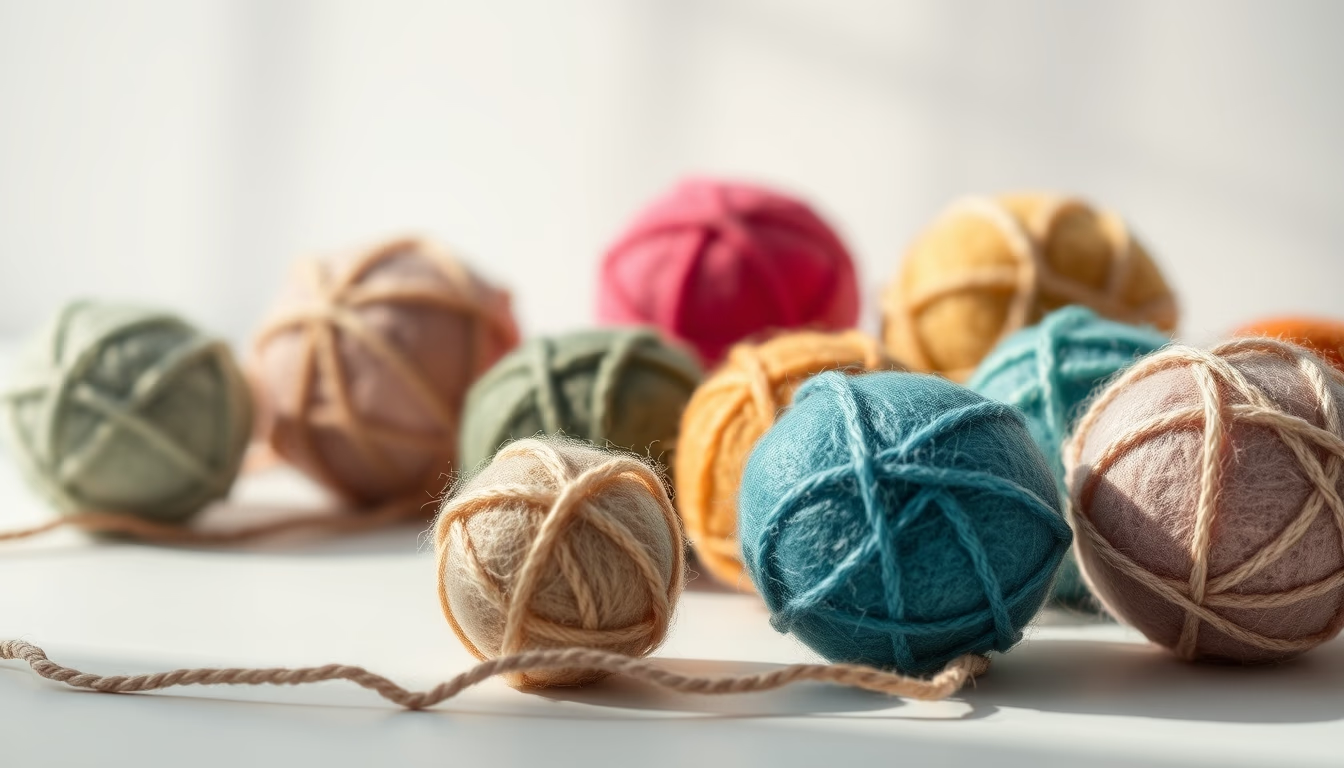
O processo de tecelagem inicia com a tosquia, geralmente uma vez por ano. A fibra é lavada, cardada e fiada à mão ou mecanicamente. Nos teares manuais, os artesãos criam padrões geométricos e cores naturais, usando corantes vegetais como cochonilha e folhas de nogueira. Cada peça pode levar dias ou semanas para ser concluída, refletindo um alto nível de habilidade e dedicação.
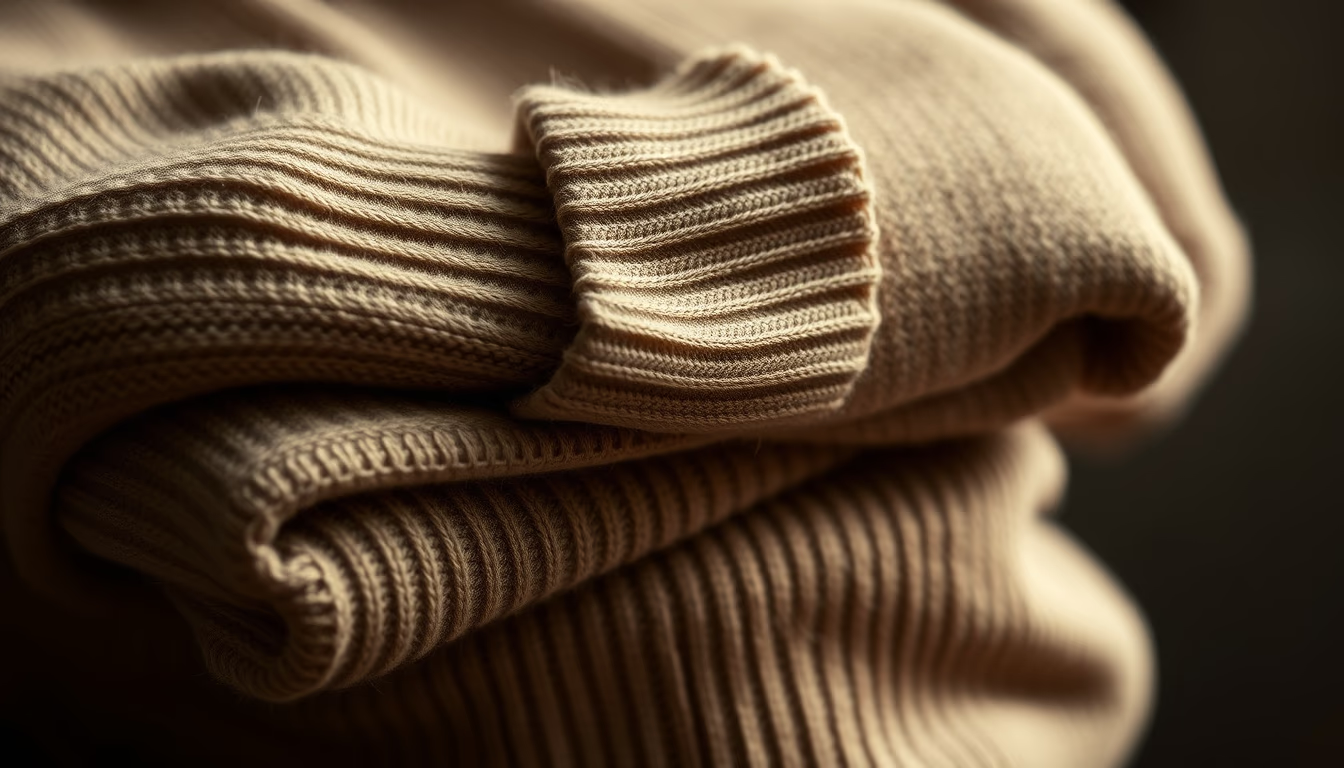
Culturalmente, a tecelagem de alpaca é central para as comunidades Quechua e Aymara. As mantas, ponchos e roupas são usados em cerimônias e no cotidiano, simbolizando status e identidade. Hoje, a indústria de moda sustentável valoriza esses tecidos, com marcas internacionais buscando parcerias éticas com cooperativas peruanas. A fibra de alpaca baby, dos primeiros cortes, é a mais fina, chegando a 18 mícrons de diâmetro, comparável à caxemira.
A sustentabilidade é um ponto forte: as alpacas pastam em altitudes elevadas, com baixo impacto ambiental. O comércio justo ajuda a preservar o artesanato e a gerar renda para famílias rurais. No entanto, a produção global é limitada, com o Peru respondendo por cerca de 80% da oferta mundial, o que mantém o valor elevado.
Perguntas frequentes
Qual a diferença entre a lã de alpaca e a lã de ovelha?
A fibra de alpaca é mais macia, leve e resistente que a lã de ovelha. Não contém lanolina, sendo hipoalergênica, e possui propriedades térmicas superiores, aquecendo sem pesar.
Como é feito o processamento da fibra de alpaca até o tecido?
Após a tosquia, a fibra é lavada, cardada para alinhar as fibras e fiada em fios. Em seguida, é tingida com corantes naturais ou sintéticos e tecida em tear manual ou mecânico.
Por que os produtos de alpaca são caros?
A produção é limitada, principalmente no Peru, e o processo artesanal demanda tempo e habilidade. A fibra de alta qualidade, como a baby alpaca, é escassa e muito valorizada no mercado de luxo.
URL direta
https://pub-c7d6a6ea828543ac903a74a341ccb2e1.r2.dev/imagens/loom-weaving-alpaca-commercial-product-photography-fresh1.avifComo creditar
Inclua um link visível de volta pro UtilizAí. Copie um dos snippets abaixo:
<a href="https://xn--utiliza-eza.com/midia/imagens/loom-weaving-alpaca-commercial-product-photography-fresh1">Loom weaving alpaca</a> by <a href="https://xn--utiliza-eza.com">UtilizAí</a>, licensed under <a href="https://creativecommons.org/licenses/by/4.0/">CC BY 4.0</a>.
[Loom weaving alpaca](https://xn--utiliza-eza.com/midia/imagens/loom-weaving-alpaca-commercial-product-photography-fresh1) by [UtilizAí](https://xn--utiliza-eza.com), CC BY 4.0
Licença: CC-BY-4.0