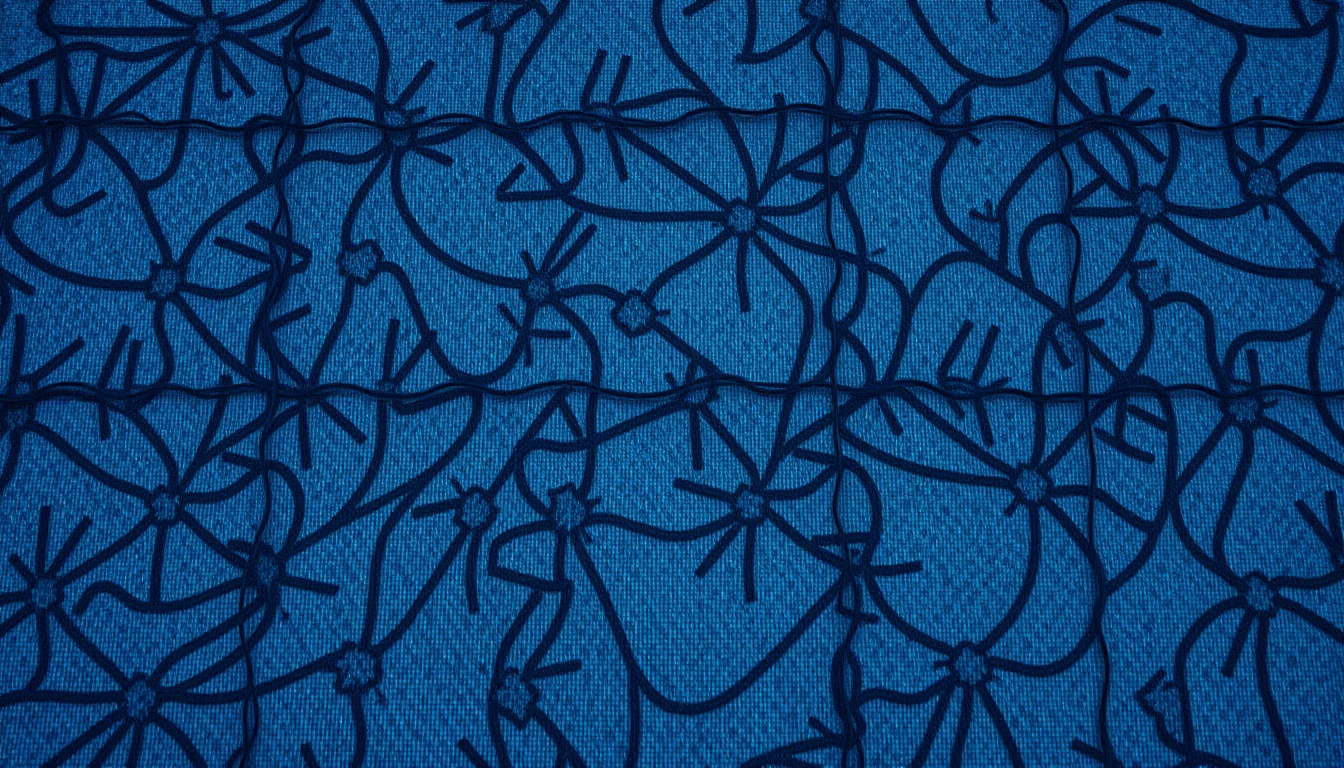
Lacework antique tatting
1344×768 · AVIF · CC BY 4.0
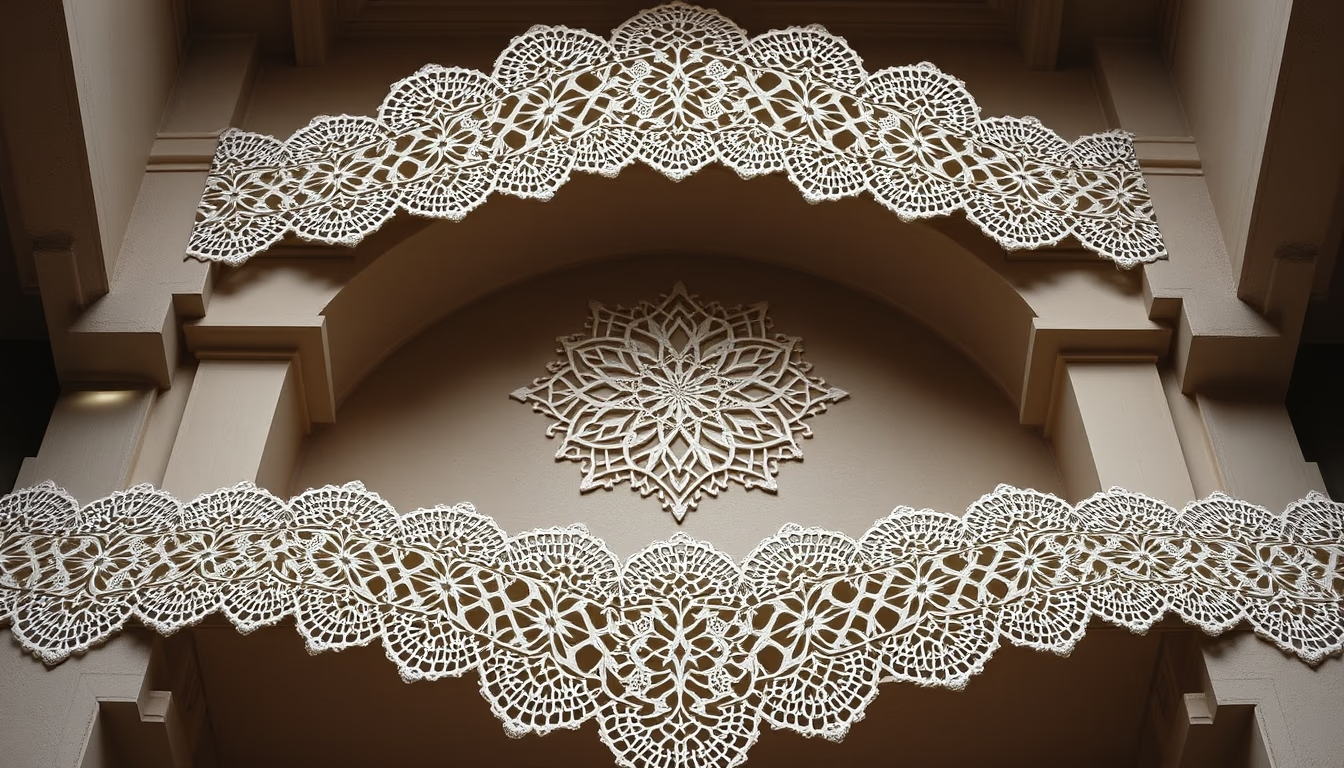
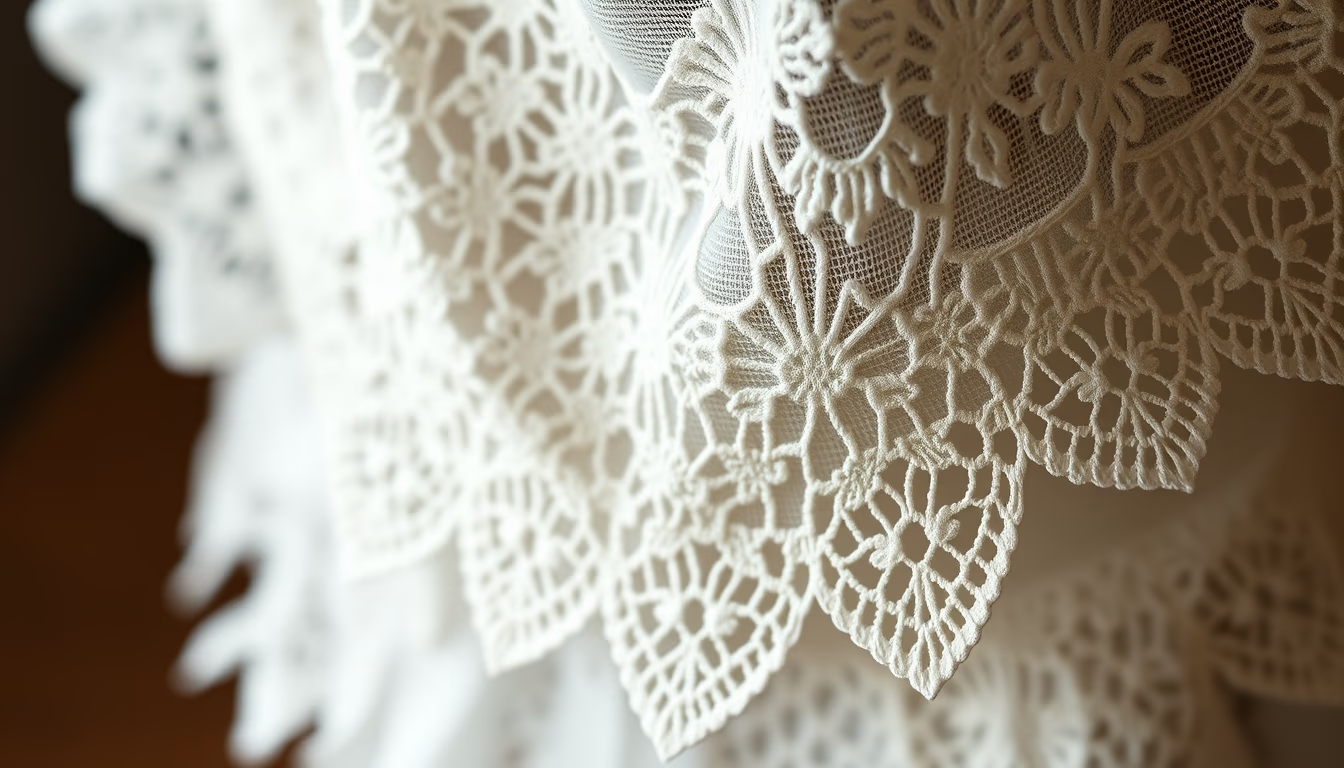
Tatting is a handcrafted lace technique using a shuttle to create knots and rings, popular in the 19th century and still practiced by enthusiasts.
About this subject
Tatting, also known as shuttle lace or frivolité, is a lace-making technique that emerged in early 19th-century Europe. Unlike other laces such as bobbin lace or crochet, tatting uses a shuttle to form double stitches that create rings and chains. This method allows for delicate geometric and floral patterns, often used in doilies, collars, edgings, and garment trims.
Historically, tatting gained popularity during the Victorian era, when pattern books and instructional manuals helped spread the craft among middle-class women. Contrary to common belief, tatting did not evolve directly from ancient knotting techniques; rather, it was developed by artisans seeking a faster, more portable alternative to bobbin lace. The word 'tatting' likely derives from the old English 'tatter,' meaning to 'entangle' or 'make lace.'
A fascinating aspect of tatting is its stitch structure: each 'stitch' consists of two half-hitches that form a sliding knot, giving the finished piece a firm yet flexible texture. The craft can produce small motifs or complex, web-like designs. Although industrial textile production led to a decline in tatting, it has seen a revival among modern makers, fueled by online communities and a renewed appreciation for handmade goods.
In Brazil, tatting is known as 'frivolitê,' from the French frivolité, and is practiced in artisan groups, especially in the southern and southeastern regions. It is commonly taught in workshops and YouTube tutorials, with variations including needle tatting. Antique tatting pieces are prized in thrift stores and antique fairs, often treasured as family heirlooms.
Frequently Asked Questions
What is tatting?
Tatting is a handcrafted lace technique using a shuttle to create double knots that form rings and chains. It is known for its firm texture and delicate patterns, and it became popular in the 19th century.
How is tatting different from crochet?
Tatting uses a shuttle to form double stitches that slide into knots, while crochet uses a hooked needle to interlock loops. Tatting produces a denser, less elastic fabric compared to crochet.
Is tatting still practiced today?
Yes, tatting has seen a revival among modern crafters, with online communities, video tutorials, and in-person workshops. Antique pieces are highly sought after, and the craft continues to be taught.
Direct URL
https://pub-c7d6a6ea828543ac903a74a341ccb2e1.r2.dev/imagens/lacework-antique-tatting-architectural-photography-fresh3.avifHow to credit
Include a visible link back to UtilizAí. Copy one of the snippets below:
<a href="https://xn--utiliza-eza.com/en/midia/imagens/lacework-antique-tatting-architectural-photography-fresh3">Lacework antique tatting</a> by <a href="https://xn--utiliza-eza.com">UtilizAí</a>, licensed under <a href="https://creativecommons.org/licenses/by/4.0/">CC BY 4.0</a>.
[Lacework antique tatting](https://xn--utiliza-eza.com/en/midia/imagens/lacework-antique-tatting-architectural-photography-fresh3) by [UtilizAí](https://xn--utiliza-eza.com), CC BY 4.0
License: CC-BY-4.0