Kris malay wavy
1344×768 · AVIF · CC BY 4.0
Malay kris with a wavy blade, a ceremonial dagger and symbol of power in Southeast Asia.
About this subject
The kris is an asymmetrical dagger originating from the Malay Archipelago, present in cultures of Indonesia, Malaysia, Brunei, the southern Philippines, and southern Thailand. Its wavy blade, known as luk, is not merely decorative: each wave represents, in Javanese tradition, the mythical serpent naga and symbolizes spiritual power and protection against evil spirits. The number of waves can vary from 3 to 13, with odd numbers considered auspicious.
Forging a kris is a ritualistic process. The blacksmith, called empu, uses damascus technique (pattern pamor) by laminating different types of iron and steel, creating a distinctive blade pattern. Each kris is unique and believed to possess a soul or energy (tuah). Historically, the kris was both a combat weapon and a ceremonial item, used by nobles and warriors. In the 19th century, Europeans recorded the kris as a feared weapon due to its ability to inflict deep wounds.
Today, the kris is recognized by UNESCO as a Masterpiece of the Oral and Intangible Heritage of Humanity (2005). It is displayed in weddings, coronations, and funerals in various Malay-Polynesian cultures. The wavy blade also has a geometric meaning: it increases the cutting surface, making it effective against ring armor. Collectors value antique kris with visible pamor and a well-forged blade, while modern replicas are popular as souvenirs.
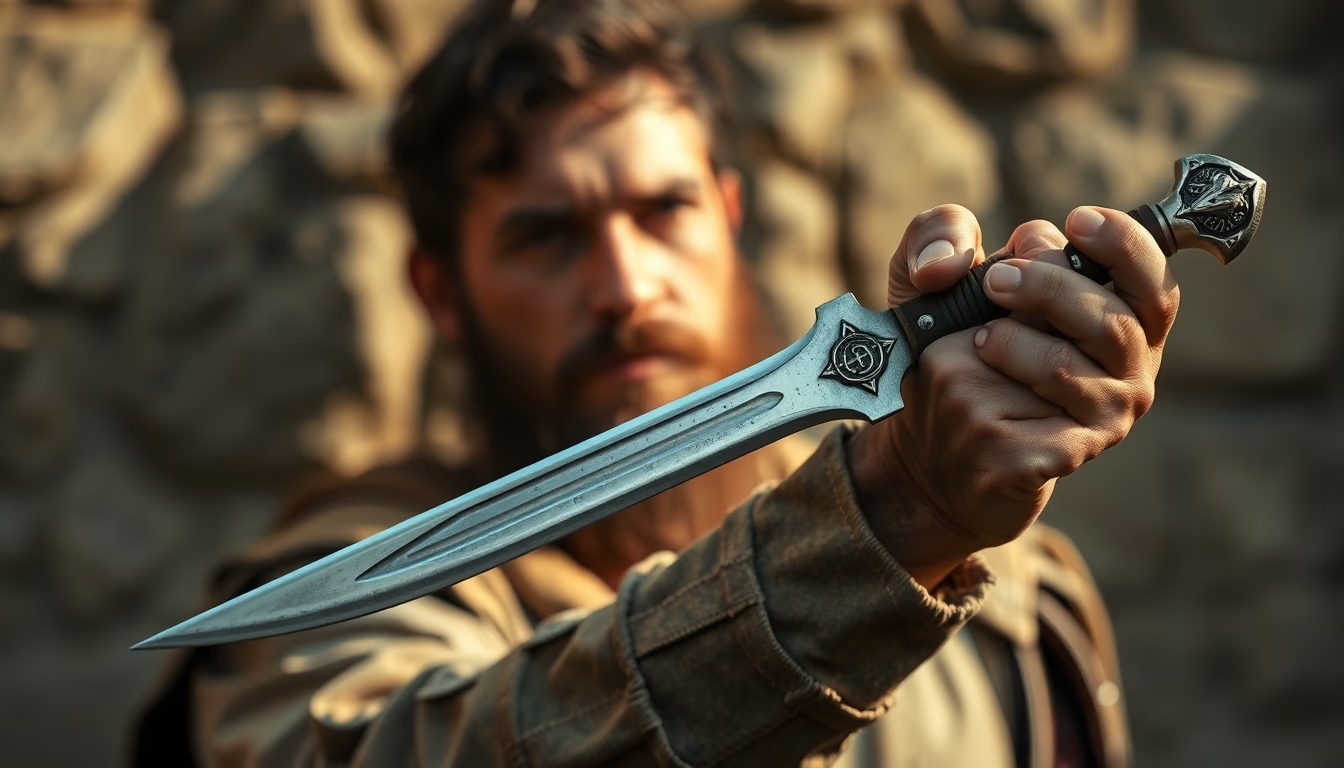
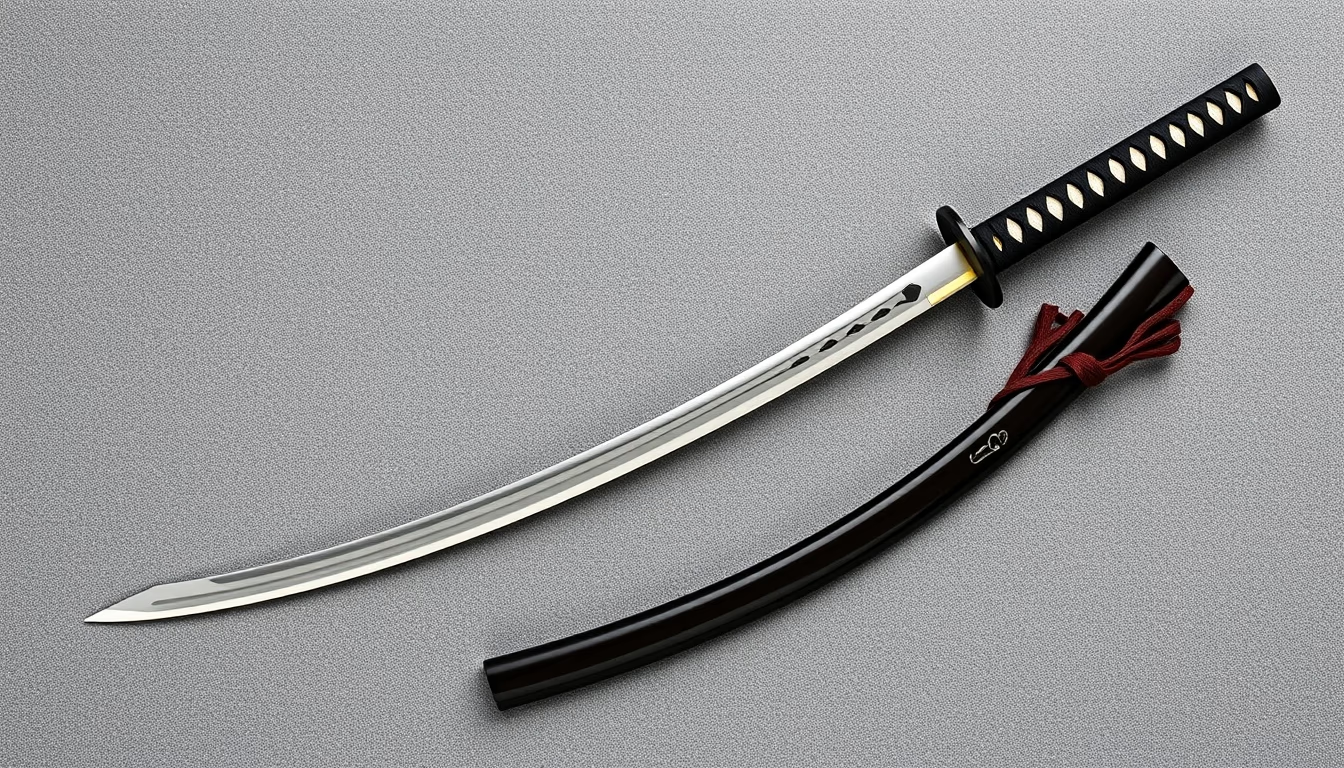
The image depicts a typical Malay kris with an angled hilt (hulu) and wooden or ivory scabbard. The symmetrical waviness of the blade reflects the craftsman's mastery. Unlike other swords, the kris has no guard and the hilt is often carved with garuda or rakshasa forms, mythological elements. This dagger remains a symbol of cultural identity and national pride in Malaysia and Indonesia.
Frequently Asked Questions
What is the difference between a straight and a wavy kris?
The straight kris (lurus) is older and used for combat, while the wavy kris (berkelok-lok) has ceremonial and spiritual functions. The waves symbolize the naga serpent and increase cutting area.
How many waves should a traditional kris have?
The number of waves is usually odd, between 3 and 13. Each wave has meaning: for instance, 5 waves represent the five natural elements.
Is the kris still used today?
Yes, in traditional ceremonies like weddings and coronations. It is also used as a status symbol and in Indonesian martial arts (pencak silat).
Direct URL
https://pub-c7d6a6ea828543ac903a74a341ccb2e1.r2.dev/imagens/kris-malay-wavy-architectural-photography-fresh7.avifHow to credit
Include a visible link back to UtilizAí. Copy one of the snippets below:
<a href="https://xn--utiliza-eza.com/en/midia/imagens/kris-malay-wavy-architectural-photography-fresh7">Kris malay wavy</a> by <a href="https://xn--utiliza-eza.com">UtilizAí</a>, licensed under <a href="https://creativecommons.org/licenses/by/4.0/">CC BY 4.0</a>.
[Kris malay wavy](https://xn--utiliza-eza.com/en/midia/imagens/kris-malay-wavy-architectural-photography-fresh7) by [UtilizAí](https://xn--utiliza-eza.com), CC BY 4.0
License: CC-BY-4.0