Koto japanese strings
1344×768 · AVIF · CC BY 4.0
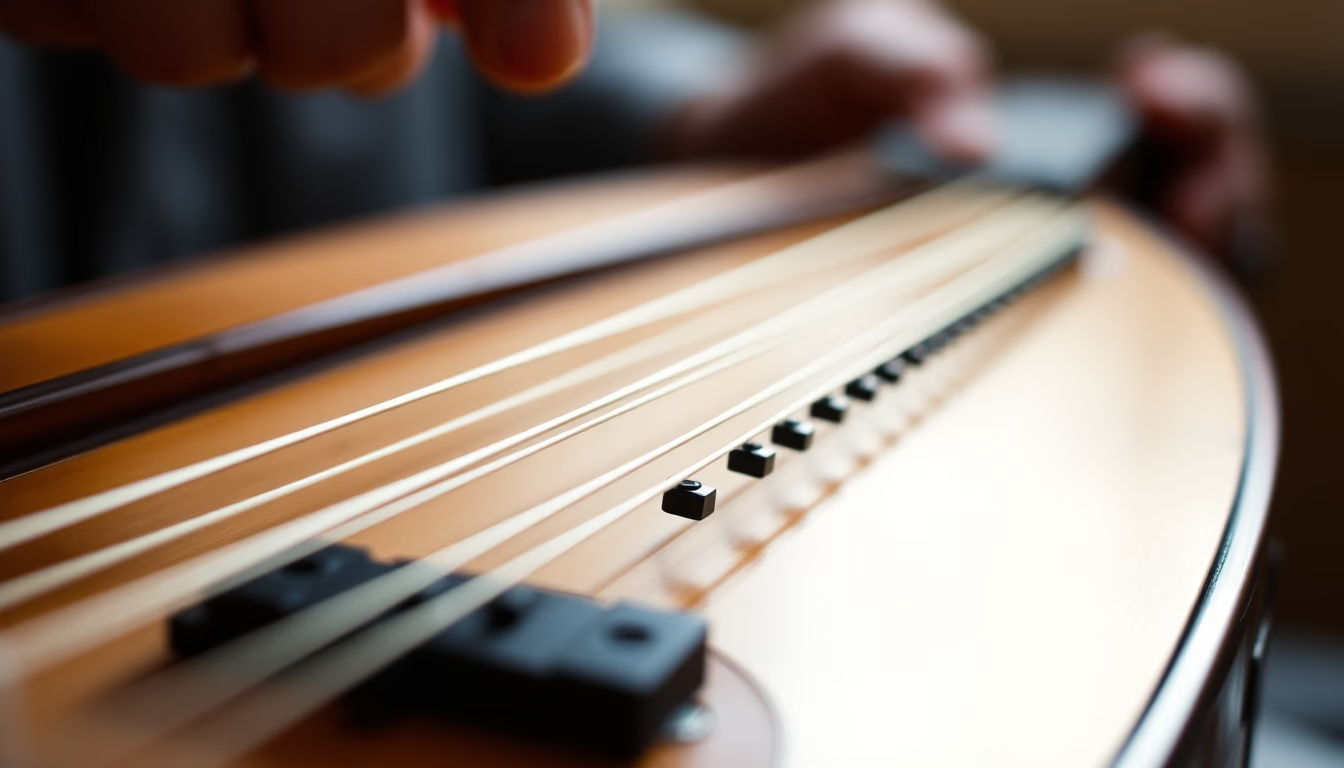
The koto is a Japanese string instrument with over a thousand years of history, used in classical and popular music.
About this subject
The koto is a traditional Japanese string instrument belonging to the zither family. Its origins date back to the Nara period (8th century), when it was introduced from China, where it was known as the guzheng. Over the centuries, the koto adapted to Japanese aesthetics, becoming a symbol of the country's classical music. The instrument has 13 silk or nylon strings stretched over a curved wooden body made of paulownia wood. Each string is tuned using movable bridges called ji, allowing microtonal adjustments. The playing technique involves using ivory or bamboo picks attached to the thumb, index, and middle fingers of the right hand, while the left hand presses the strings to produce pitch variations and ornamental effects. The koto is often played solo or in ensembles with other traditional instruments such as the shamisen and shakuhachi flute. In Japanese classical music, the koto is central to the sankyoku genre, which combines these three sounds. Additionally, the instrument has inspired contemporary composers like Tōru Takemitsu and appears in film and anime soundtracks. Interestingly, there is a modern electric koto used in genres like pop and J-pop. Learning the koto follows an oral tradition passed down through schools (ryūha) such as Ikuta and Yamada, each with distinct playing styles and repertoire. The instrument demands great precision and sensitivity, being considered one of the most expressive in Japanese culture.
Frequently Asked Questions
How many strings does a traditional koto have?
The traditional koto has 13 strings, usually made of silk or nylon, tuned by movable bridges called ji.
What is the origin of the koto?
The koto was introduced to Japan from China during the Nara period (8th century), evolving from the Chinese instrument guzheng.
How is the koto played?
The koto is played seated on the floor, with the instrument placed on the floor or a low table. The player uses picks on the fingers of the right hand to pluck the strings, while the left hand presses them to modify the pitch.
Direct URL
https://pub-c7d6a6ea828543ac903a74a341ccb2e1.r2.dev/imagens/koto-japanese-strings-macro-closeup-p1.avifHow to credit
Include a visible link back to UtilizAí. Copy one of the snippets below:
<a href="https://xn--utiliza-eza.com/en/midia/imagens/koto-japanese-strings-macro-closeup-p1">Koto japanese strings</a> by <a href="https://xn--utiliza-eza.com">UtilizAí</a>, licensed under <a href="https://creativecommons.org/licenses/by/4.0/">CC BY 4.0</a>.
[Koto japanese strings](https://xn--utiliza-eza.com/en/midia/imagens/koto-japanese-strings-macro-closeup-p1) by [UtilizAí](https://xn--utiliza-eza.com), CC BY 4.0
License: CC-BY-4.0