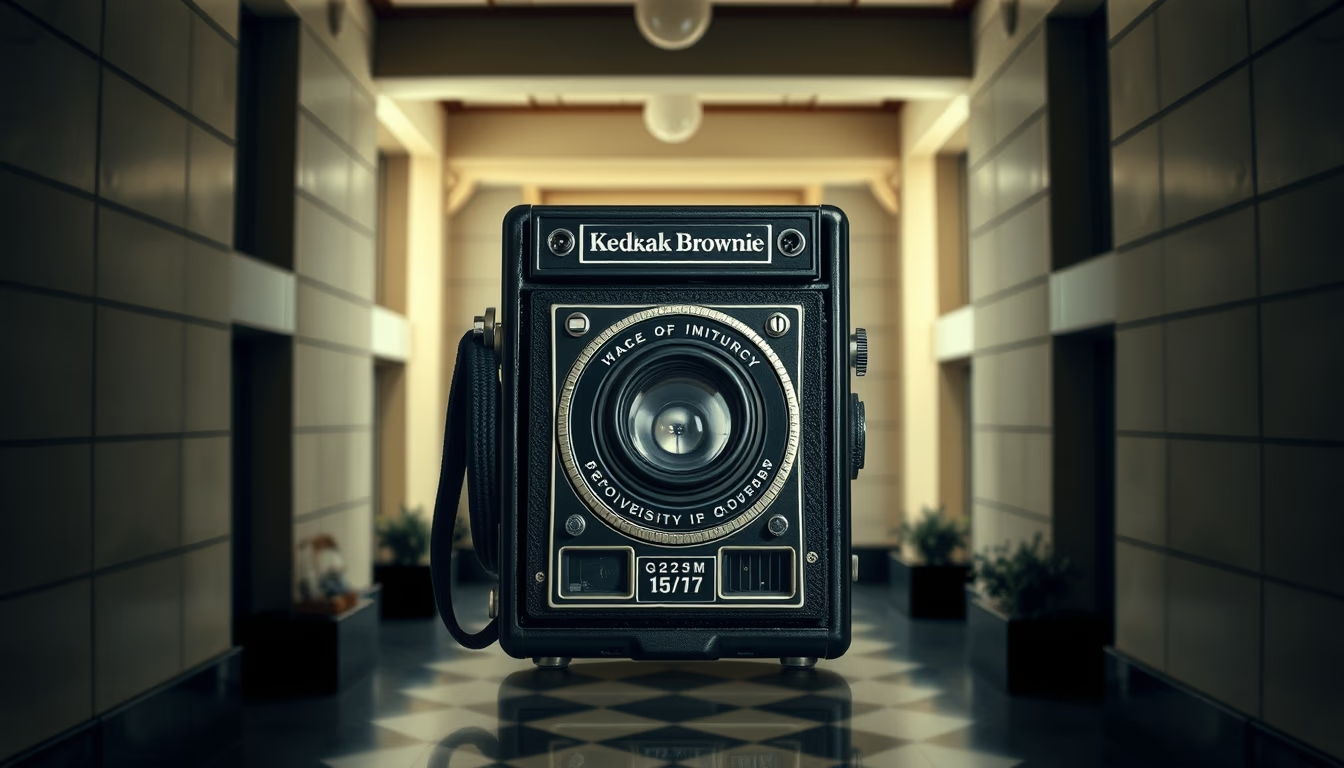
Kodak brownie box camera
1344×768 · AVIF · CC BY 4.0
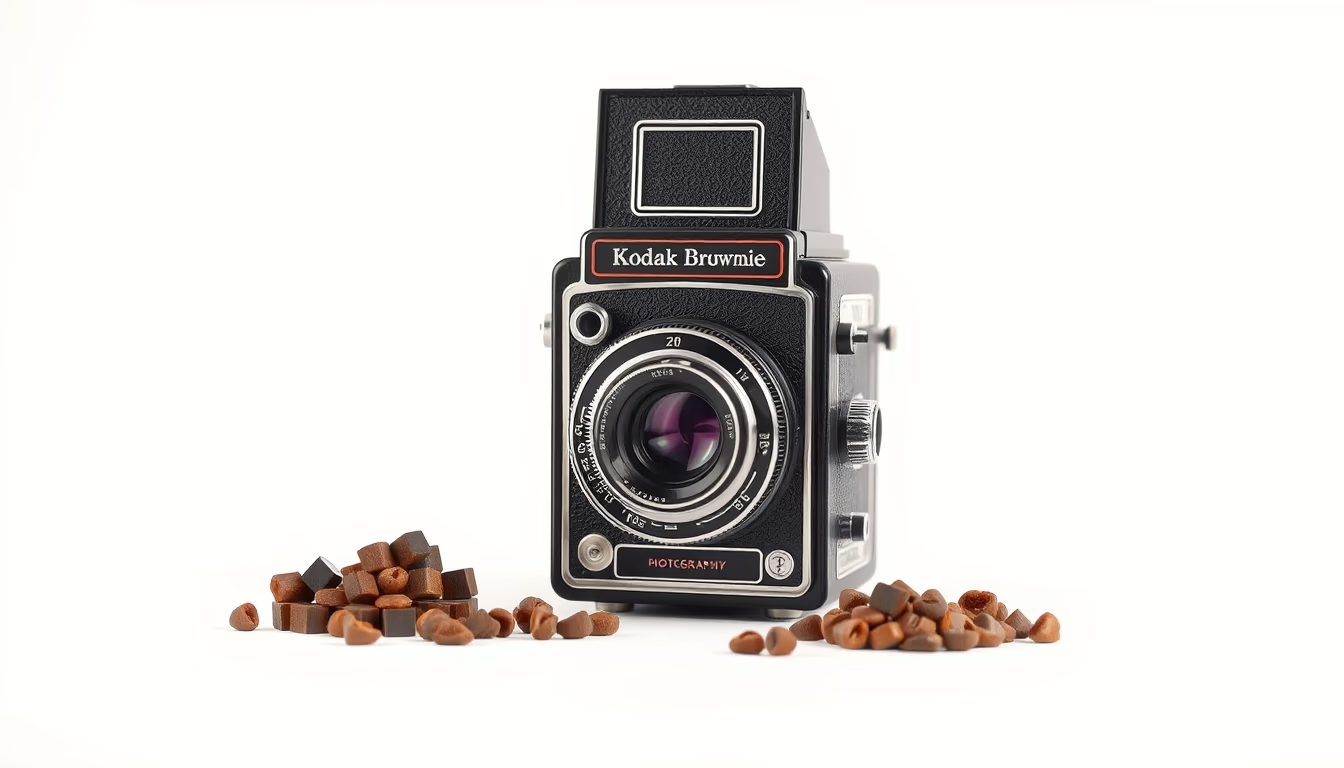
A Kodak Brownie box camera, lançada em 1900, revolucionou a fotografia ao torná-la acessível e popular para o grande público.
Sobre o tema
A Kodak Brownie foi uma câmera de caixa de papelão revestida em couro, comercializada pela Eastman Kodak a partir de 1900. Seu design simples e preço baixo (apenas 1 dólar) democratizaram a fotografia, permitindo que amadores registrassem momentos do cotidiano sem necessidade de equipamentos complexos ou conhecimento técnico. O nome "Brownie" foi inspirado nos duendes das histórias infantis de Palmer Cox, personagens populares na época, reforçando a ideia de uma câmera lúdica e acessível.
A câmera utilizava filme em rolo de 6 exposições (formato 117) e produzia imagens de aproximadamente 5,7 x 5,7 cm. Seu obturador simples e lente menisco fixa (f/13 ou f/16) dispensavam ajustes de foco ou exposição. O usuário apenas apontava e pressionava o botão. As imagens eram registradas em filme de nitrato de celulose, que depois era enviado de volta à Kodak para revelação e impressão, consolidando o modelo de negócio integrado da empresa.
A Brownie tornou-se um fenômeno cultural, vendendo mais de 100 mil unidades no primeiro ano e gerando um mercado de massa para fotografia. Ela popularizou o conceito de álbuns de família e instantâneos, além de inspirar gerações de fotógrafos amadores. Sucessivos modelos foram lançados, como a Brownie No. 2 (1901), que usava filme 120 e produzia imagens maiores. A linha Brownie continuou em produção até os anos 1960, adaptando-se a novos formatos de filme e materiais.
O legado da câmera vai além do hardware: ela estabeleceu a fotografia como um hábito cotidiano e acessível. Em 1960, a Kodak já havia vendido mais de 10 milhões de Brownies. A câmera é hoje um item de colecionador, símbolo da transição da fotografia de um ofício especializado para uma atividade democrática. Seu design icônico de caixa é frequentemente referenciado na cultura pop e em designs de câmeras retrô atuais.
Perguntas frequentes
O que é a Kodak Brownie box camera?
É uma câmera de caixa de papelão revestida em couro, lançada em 1900 pela Eastman Kodak. Foi a primeira câmera acessível ao grande público, vendida por apenas 1 dólar, e usava filme em rolo de 6 exposições.
Por que a Brownie foi tão importante?
Ela democratizou a fotografia ao eliminar a necessidade de equipamentos caros e conhecimento técnico. Qualquer pessoa podia tirar fotos, o que popularizou os álbuns de família e os instantâneos, transformando a fotografia em um hábito cotidiano.
Como funcionava a Kodak Brownie?
O usuário apontava a câmera e pressionava um botão. Não havia ajustes de foco ou exposição. Após tirar as 6 fotos, o filme era enviado à Kodak para revelação, que devolvia as impressões e recarregava o filme.
URL direta
https://pub-c7d6a6ea828543ac903a74a341ccb2e1.r2.dev/imagens/kodak-brownie-box-camera-commercial-product-photography-fresh15.avifComo creditar
Inclua um link visível de volta pro UtilizAí. Copie um dos snippets abaixo:
<a href="https://xn--utiliza-eza.com/midia/imagens/kodak-brownie-box-camera-commercial-product-photography-fresh15">Kodak brownie box camera</a> by <a href="https://xn--utiliza-eza.com">UtilizAí</a>, licensed under <a href="https://creativecommons.org/licenses/by/4.0/">CC BY 4.0</a>.
[Kodak brownie box camera](https://xn--utiliza-eza.com/midia/imagens/kodak-brownie-box-camera-commercial-product-photography-fresh15) by [UtilizAí](https://xn--utiliza-eza.com), CC BY 4.0
Licença: CC-BY-4.0