Kiln pottery firing
1344×768 · AVIF · CC BY 4.0
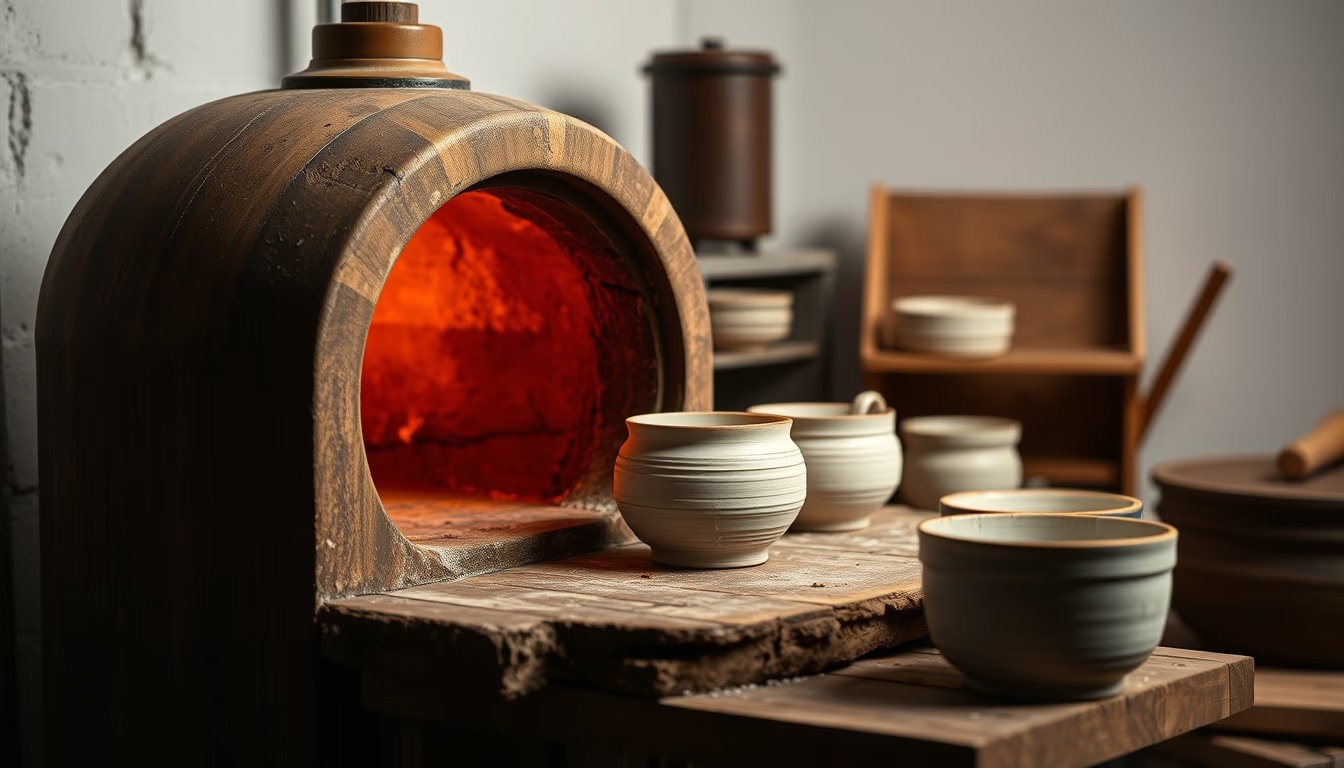
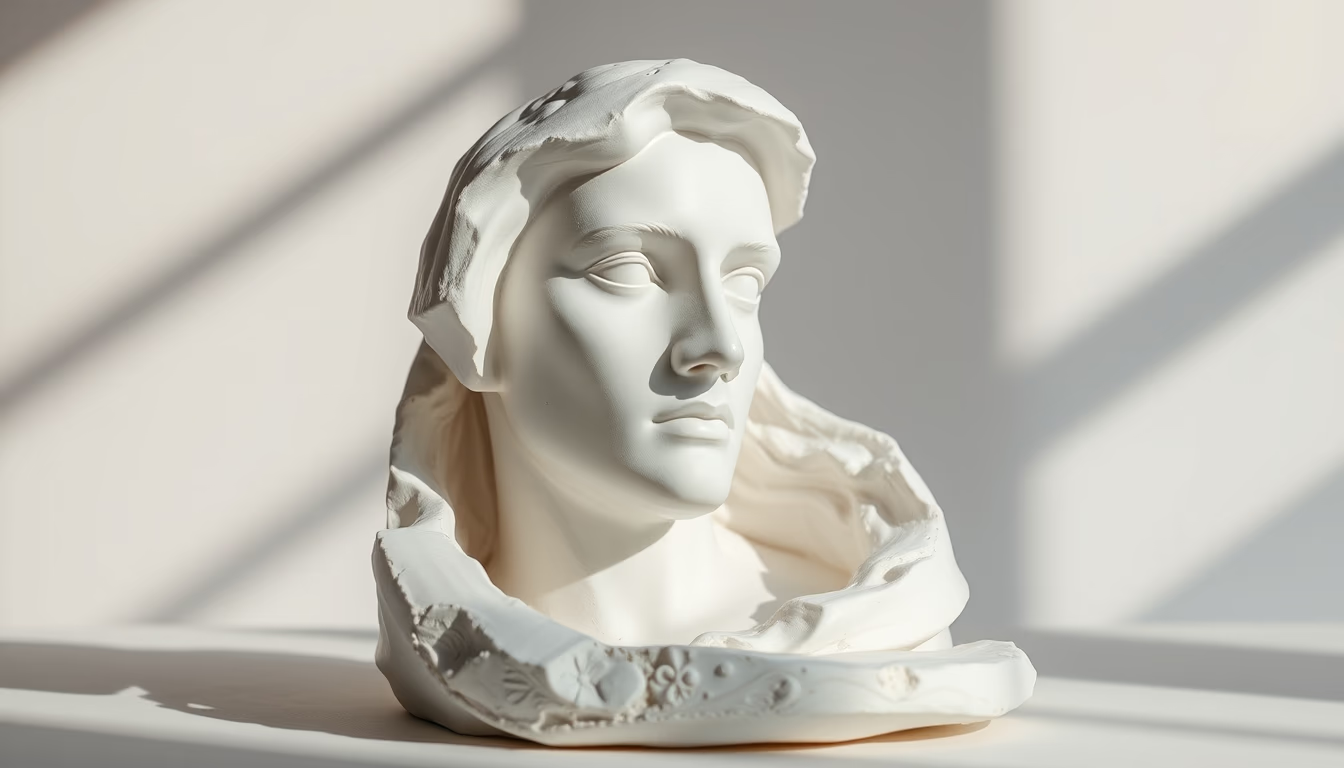
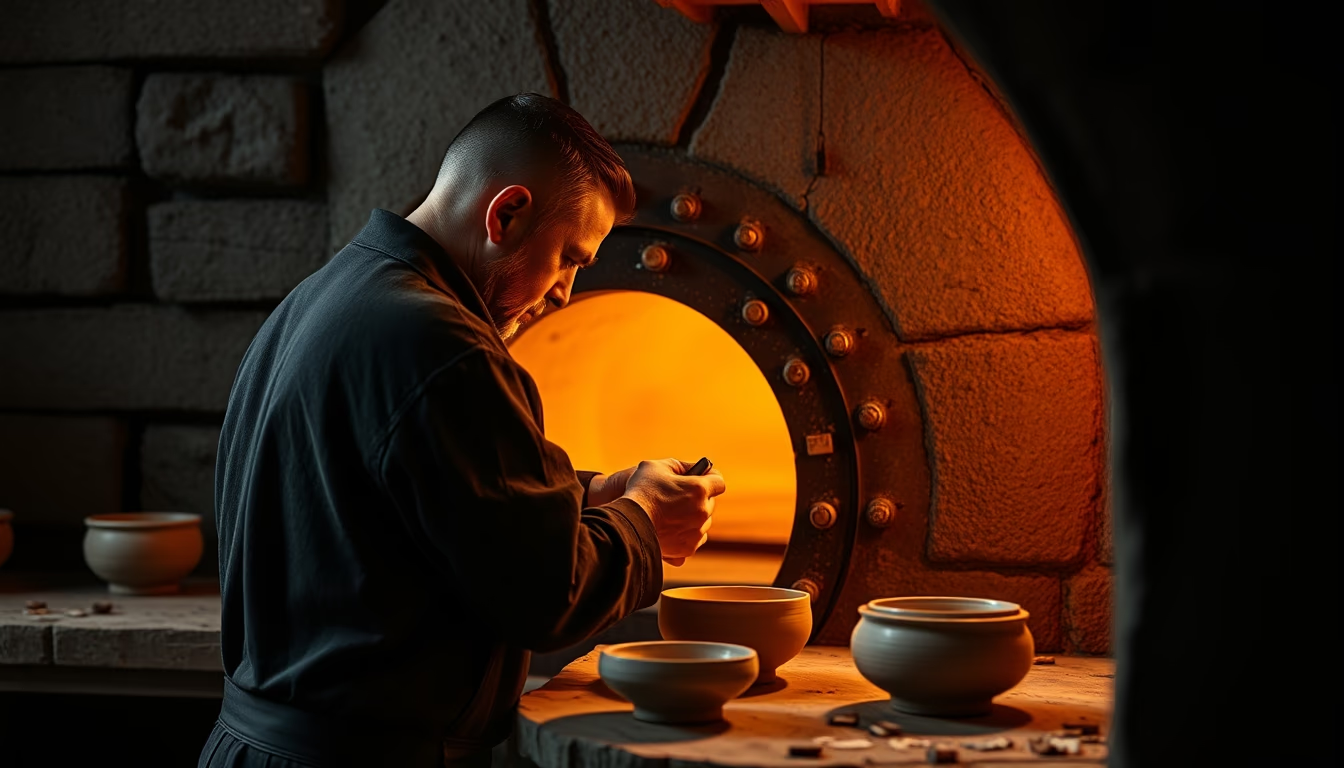
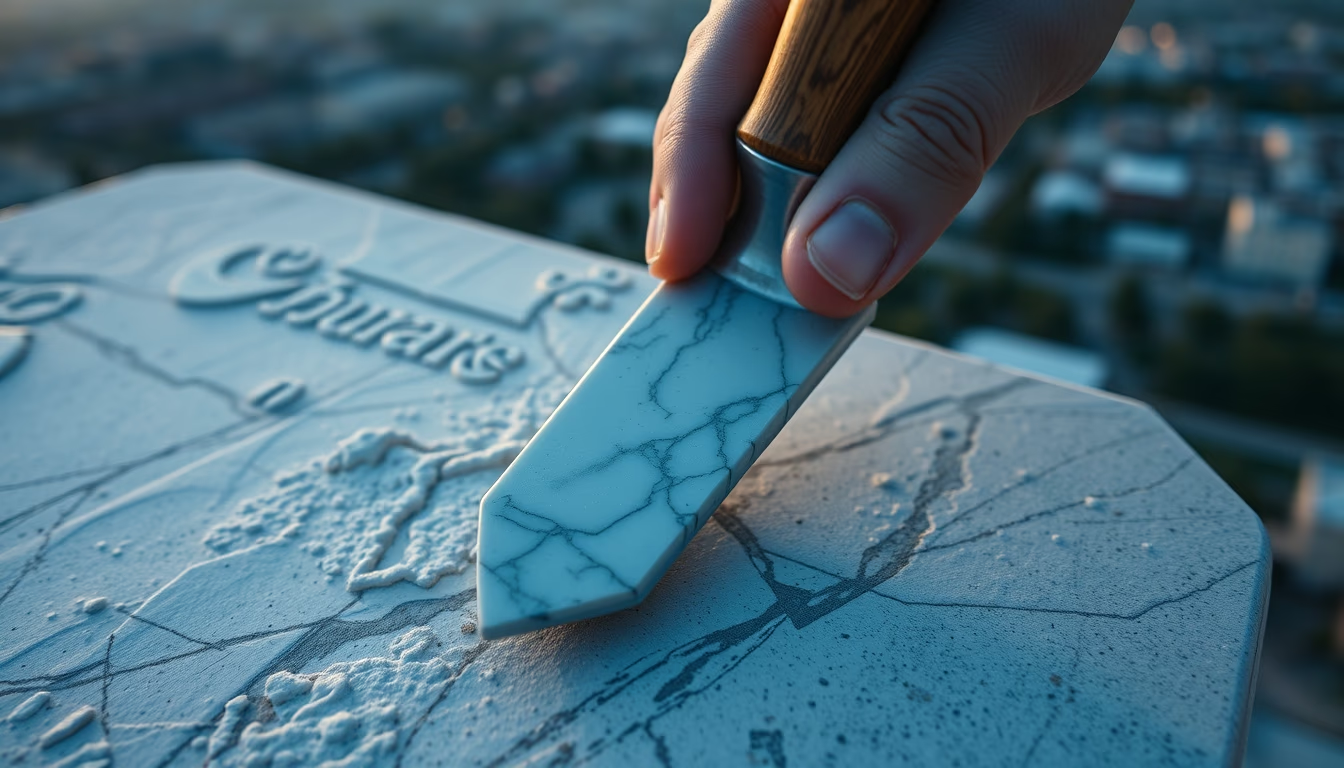
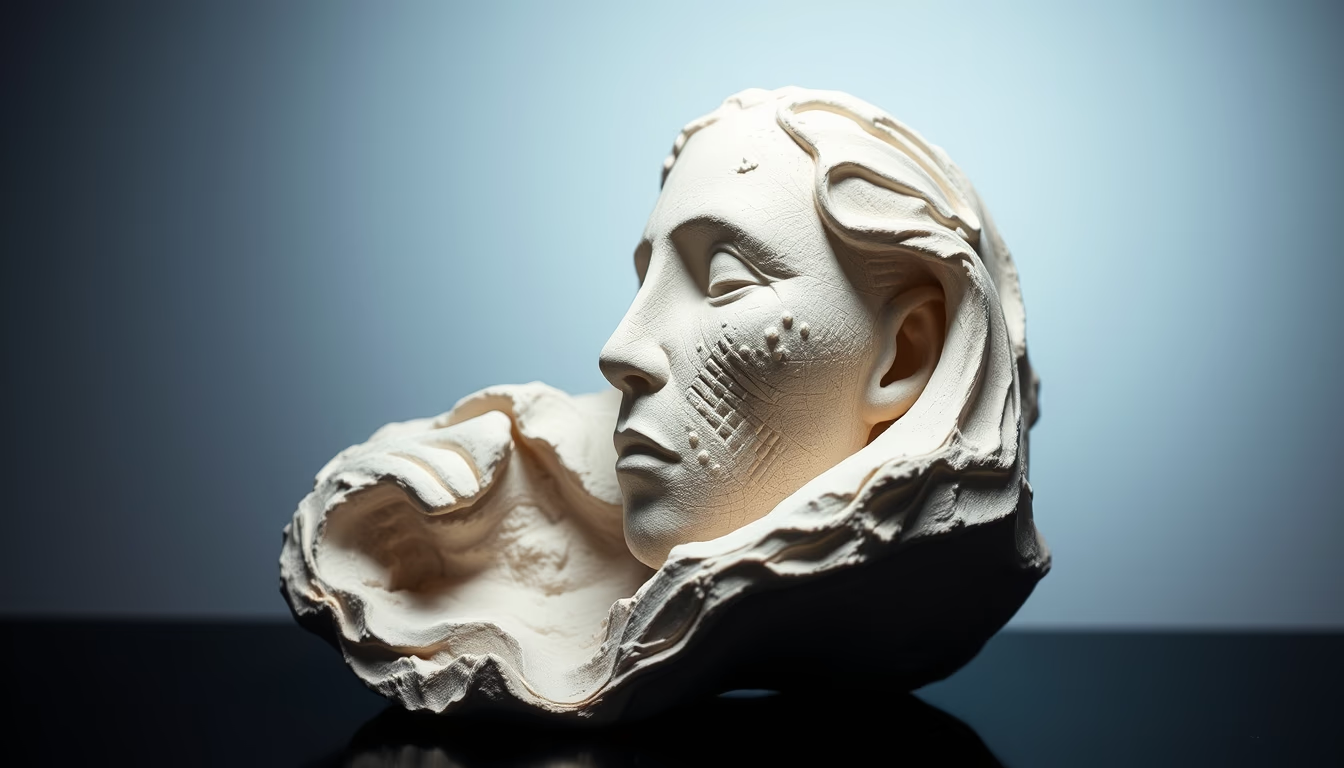
Kiln pottery firing is the process that transforms clay into durable objects through high temperatures, with techniques varying across ancient cultures.
About this subject
Pottery firing is an essential step in the production of clay artifacts, where intense heat permanently alters the molecular structure of the piece. This process, which can reach temperatures between 600°C and 1300°C depending on the clay type and desired result, removes chemically bound water, vitrifies minerals, and imparts strength and impermeability. The technique has been known since the Neolithic period, with evidence of primitive kilns in the Fertile Crescent, China, and the Americas.
There are various types of kilns, such as updraft, downdraft, and modern gas or electric kilns. Each offers specific control over the firing atmosphere, which can be oxidizing or reducing, influencing the color and texture of the glaze. In Raku pottery, for example, the piece is removed from the kiln while still glowing and subjected to thermal shock, creating unique crackle and soot effects. Chinese porcelain requires very high temperatures in double-chamber kilns to achieve its characteristic translucency.
Firing not only hardens the piece but also fixes glazes, which are vitreous layers applied before the second firing (if any). The maturation temperature of the glaze must match that of the clay body to avoid defects. In Brazil, traditional pottery such as that from Maragogipinho (BA) uses wood-fired kilns, while contemporary studios adopt digitally controlled electric kilns for precision. The practice requires deep knowledge of materials chemistry and atmosphere control, combining art and science.
Frequently Asked Questions
What is the ideal temperature for firing pottery?
The temperature varies by clay type. Low-fire clays (earthenware) fire between 900°C and 1100°C, while high-fire stoneware and porcelain reach 1200°C to 1300°C.
What is reduction firing in pottery?
Reduction firing occurs when oxygen inside the kiln is limited, altering glaze and clay colors. For example, copper glazes turn red instead of green.
What is the difference between an electric and a gas kiln?
Electric kilns offer precise temperature control and an oxidizing atmosphere, while gas kilns allow reduction atmospheres and are more common in artistic pottery.
Direct URL
https://pub-c7d6a6ea828543ac903a74a341ccb2e1.r2.dev/imagens/kiln-pottery-firing-studio-still-life-fresh6.avifHow to credit
Include a visible link back to UtilizAí. Copy one of the snippets below:
<a href="https://xn--utiliza-eza.com/en/midia/imagens/kiln-pottery-firing-studio-still-life-fresh6">Kiln pottery firing</a> by <a href="https://xn--utiliza-eza.com">UtilizAí</a>, licensed under <a href="https://creativecommons.org/licenses/by/4.0/">CC BY 4.0</a>.
[Kiln pottery firing](https://xn--utiliza-eza.com/en/midia/imagens/kiln-pottery-firing-studio-still-life-fresh6) by [UtilizAí](https://xn--utiliza-eza.com), CC BY 4.0
License: CC-BY-4.0