Kiln pottery firing
1344×768 · AVIF · CC BY 4.0
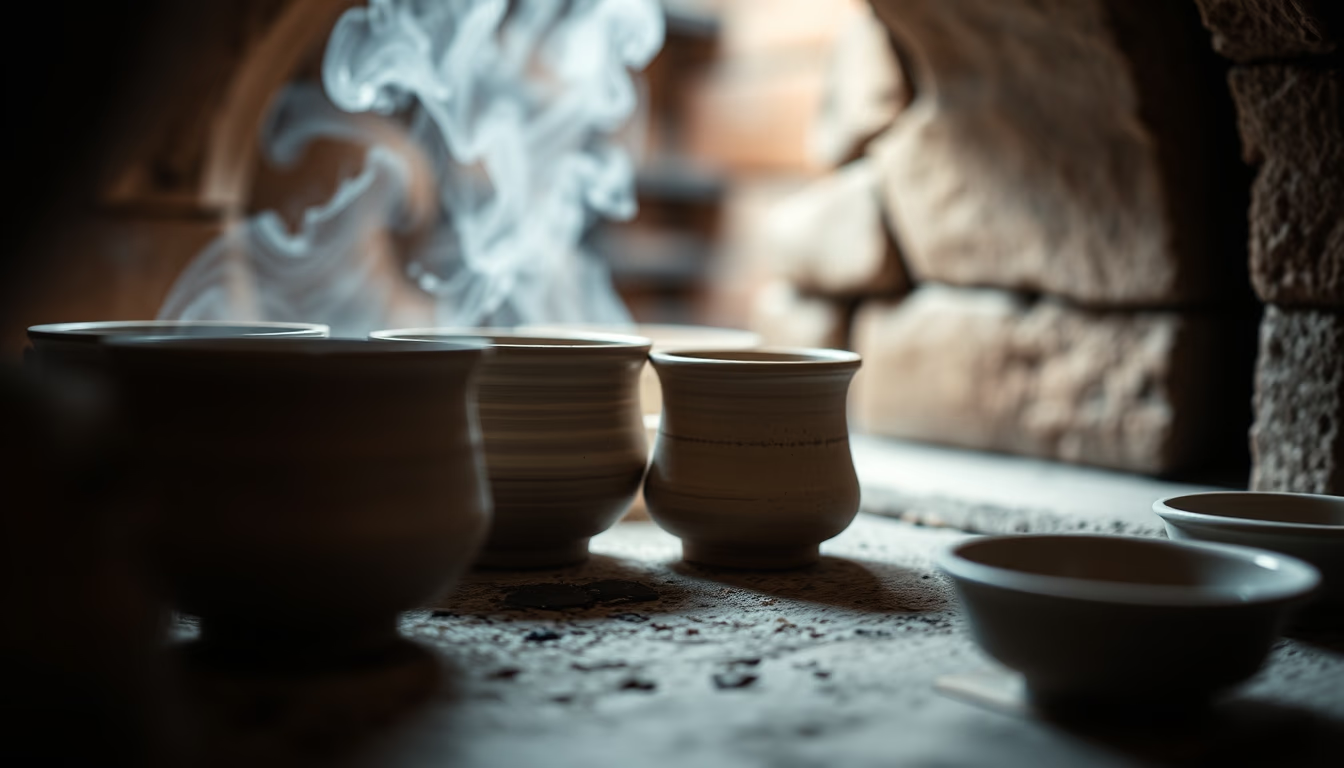
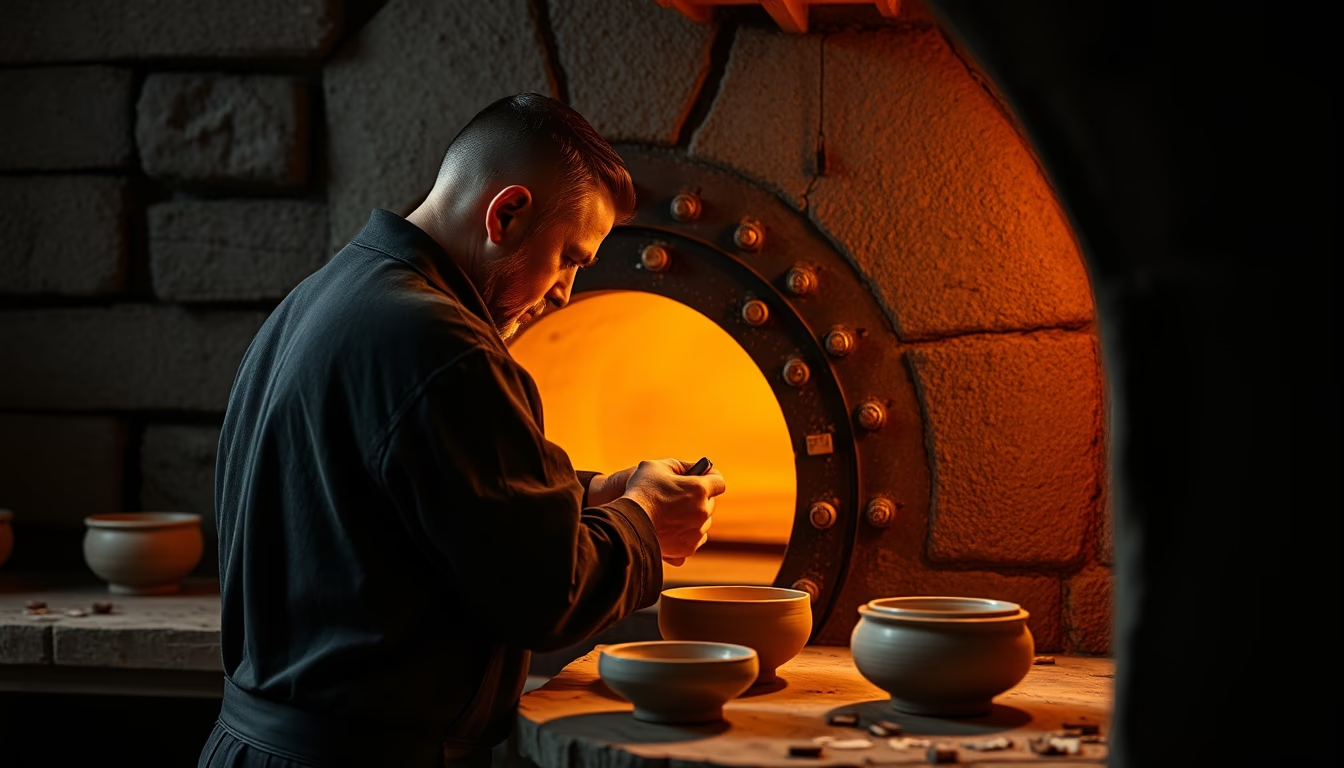
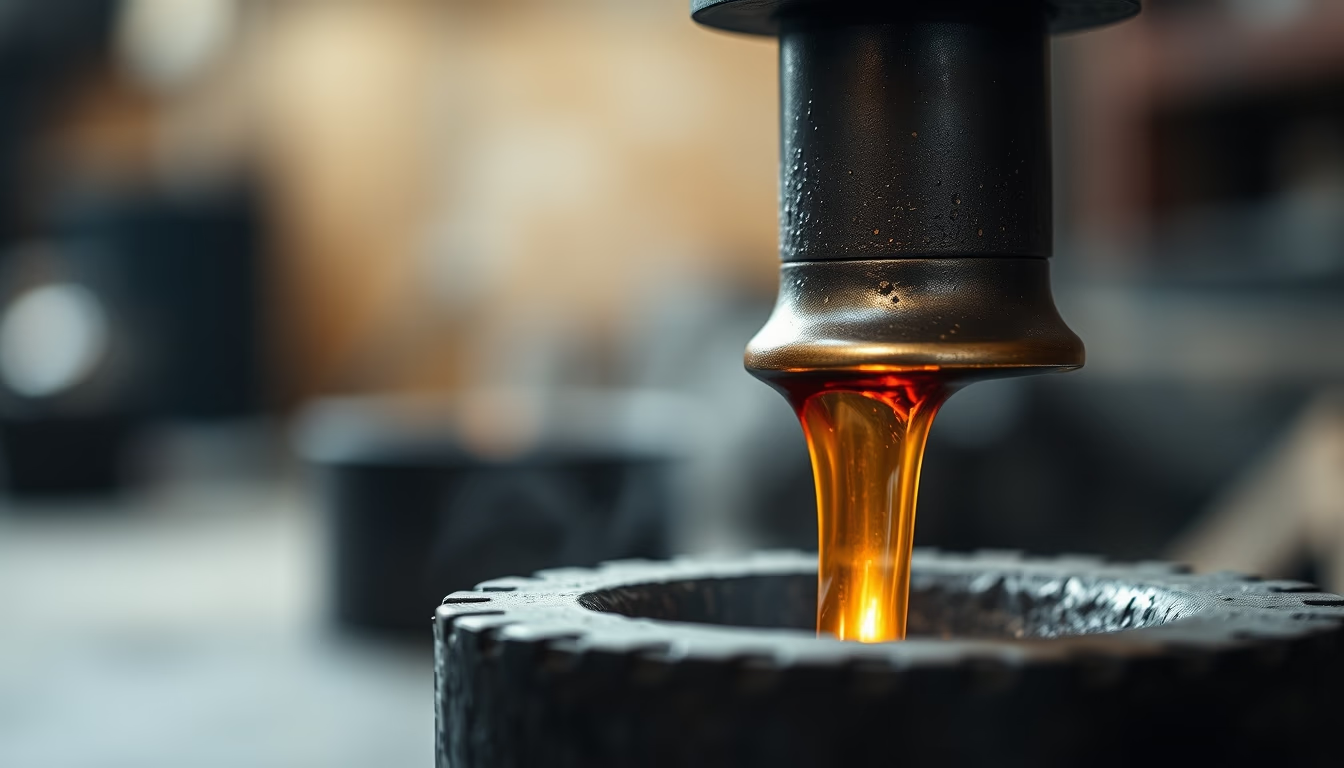
Processo de queima de cerâmica em forno, com foco no calor e nas chamas que transformam o barro em peça durável.
Sobre o tema
A queima em forno é a etapa final essencial na produção de cerâmica, onde o barro modelado é submetido a altas temperaturas para adquirir resistência e durabilidade. Historicamente, os primeiros fornos remontam à Mesopotâmia, há cerca de 7.000 anos, evoluindo de simples fogueiras para estruturas complexas de barro ou pedra. No Brasil, a cerâmica artesanal, especialmente nas regiões Nordeste e Sul, ainda utiliza fornos a lenha, enquanto a indústria adota fornos elétricos ou a gás para maior controle térmico.
As temperaturas variam conforme o tipo de cerâmica: a terracota é queimada entre 900 °C e 1.000 °C, o grês entre 1.200 °C e 1.300 °C, e a porcelana ultrapassa 1.400 °C. Durante a queima, ocorrem transformações físico-químicas, como a sinterização das partículas de argila e a vitrificação dos esmaltes, que conferem cores e texturas finais. A atmosfera do forno (oxidante ou redutora) influencia os resultados, permitindo efeitos como o reflexo metálico de redução.
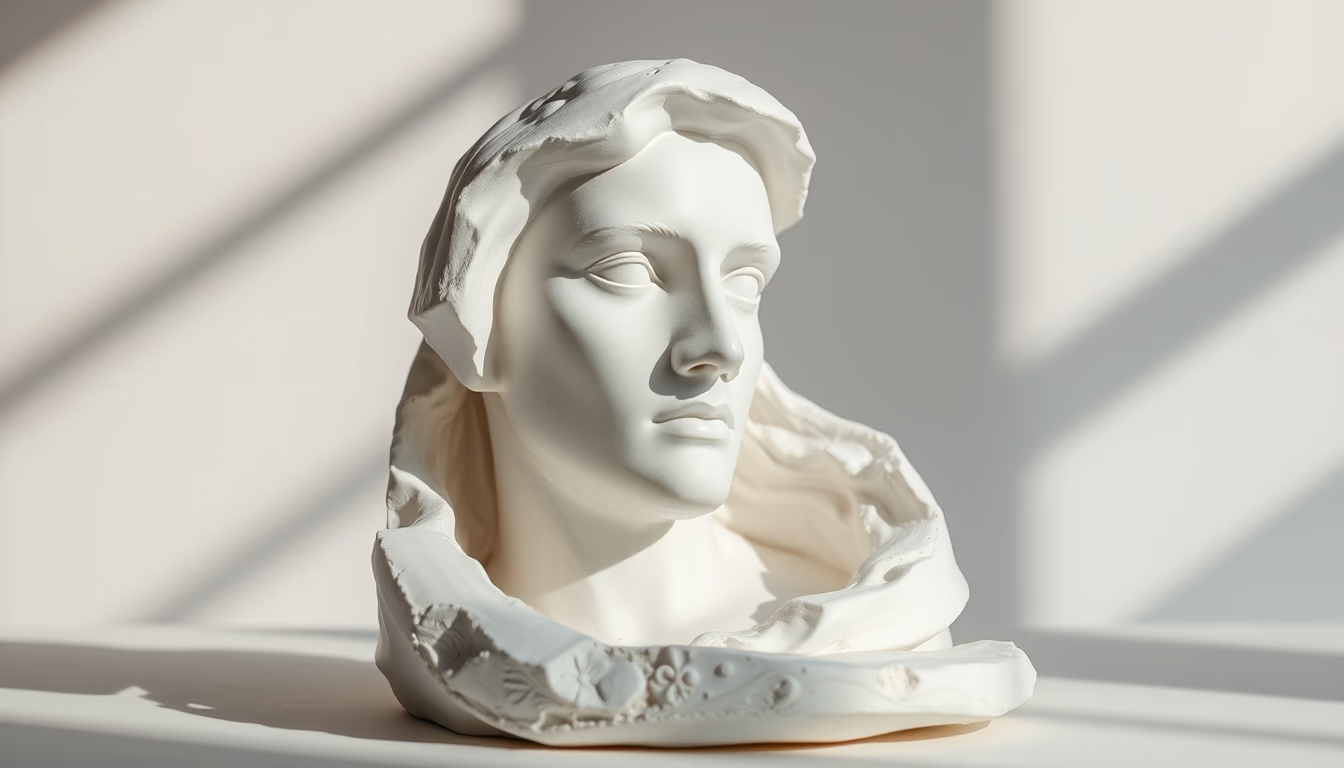
A técnica de queima em forno é valorizada tanto por ceramistas artesanais quanto por artistas contemporâneos. Na escultura cerâmica, o controle do calor é crucial para evitar trincas e deformações. Além disso, a eficiência energética dos fornos modernos reduz o impacto ambiental, embora a queima a lenha ainda seja preferida por seu caráter tradicional e resultados estéticos únicos. Cada ciclo de queima pode durar de algumas horas a vários dias, dependendo do volume e da temperatura almejada.
Perguntas frequentes
Qual a temperatura ideal para queimar cerâmica?
Depende do tipo: terracota entre 900 °C e 1.000 °C, grês entre 1.200 °C e 1.300 °C, porcelana acima de 1.400 °C. A temperatura é ajustada conforme a argila e o esmalte usados.
Quanto tempo leva a queima em forno de cerâmica?
Varia de algumas horas a vários dias. Pequenas peças em forno elétrico podem levar 8 a 12 horas; fornos a lenha ou grandes volumes exigem ciclos mais longos, incluindo resfriamento controlado.
Qual a diferença entre forno elétrico e forno a gás para cerâmica?
O forno elétrico oferece controle preciso de temperatura e atmosfera oxidante, ideal para esmaltes claros. O forno a gás permite atmosfera redutora, criando efeitos como o reflexo metálico. Ambos têm custos e demandas de manutenção distintos.
URL direta
https://pub-c7d6a6ea828543ac903a74a341ccb2e1.r2.dev/imagens/kiln-pottery-firing-macro-closeup-fresh16.avifComo creditar
Inclua um link visível de volta pro UtilizAí. Copie um dos snippets abaixo:
<a href="https://xn--utiliza-eza.com/midia/imagens/kiln-pottery-firing-macro-closeup-fresh16">Kiln pottery firing</a> by <a href="https://xn--utiliza-eza.com">UtilizAí</a>, licensed under <a href="https://creativecommons.org/licenses/by/4.0/">CC BY 4.0</a>.
[Kiln pottery firing](https://xn--utiliza-eza.com/midia/imagens/kiln-pottery-firing-macro-closeup-fresh16) by [UtilizAí](https://xn--utiliza-eza.com), CC BY 4.0
Licença: CC-BY-4.0