Kiln pottery firing
1344×768 · AVIF · CC BY 4.0
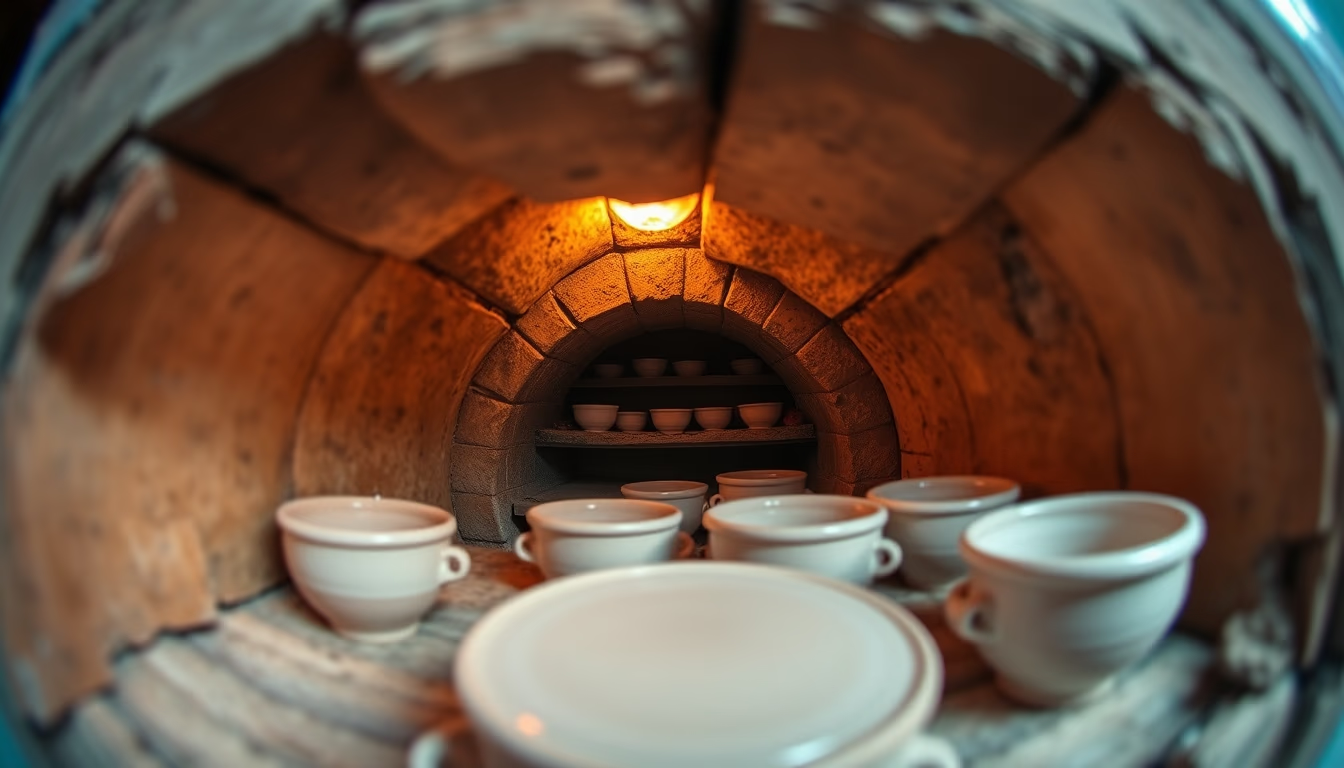
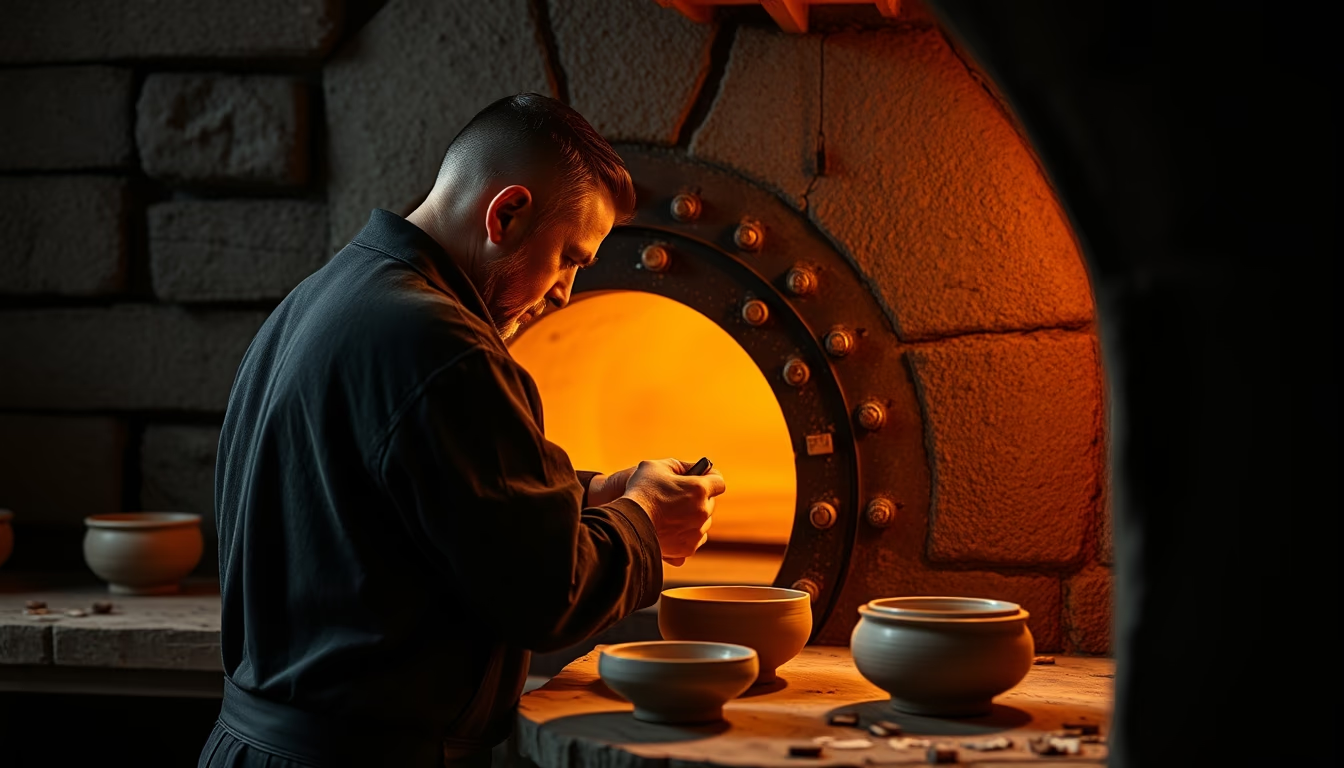
Kiln firing is a crucial step in pottery, transforming clay into durable ceramic pieces through controlled heat, blending ancient art with scientific precision.
About this subject
Kiln firing is the process where dried clay is subjected to temperatures often exceeding 1200°C. This eliminates chemically bound water and fuses particles, resulting in a vitreous, durable structure. There are two main firings: bisque firing, typically between 900°C and 1000°C, leaves the piece porous and ready for glazing. The glaze firing reaches higher temperatures, 1100°C to 1300°C, vitrifying the surface to impart colors and gloss.
Historically, ceramic kilns date back to ancient civilizations. Chinese potters of the Shang dynasty (1600 BCE) already used high-temperature kilns for stoneware and porcelain. In Brazil, traditional potteries still employ wood-fired kilns, while modern industry uses electric and gas kilns, offering precise control of atmosphere and heat. The firing atmosphere, oxidizing or reducing, directly affects glaze colors: in reduction, metal oxides like iron produce green and blue tones typical of Eastern ceramics.
Kiln choice depends on scale and desired outcome. Top-loading and box kilns are common in studios, while tunnel kilns are used in production lines. Heating and cooling rates are critical: sudden changes cause cracks or thermal explosions. Slow firing and gradual cooling are recommended for complex pieces. Temperature is monitored with pyrometers and pyrometric cones that indicate clay maturation point.
Firing not only hardens the piece but also imparts properties like impermeability and mechanical strength. The interaction between clay and glaze during firing creates unique aesthetic effects, such as crystallization and textures. Understanding firing cycles is essential for potters and sculptors, making it one of the most technical and fascinating aspects of ceramics.
Frequently Asked Questions
What is the ideal temperature for ceramic firing?
It depends on the clay type and desired result. Bisque firing occurs between 900°C and 1000°C, while glaze firing ranges from 1100°C to 1300°C. Low-fire clays (earthenware) mature at around 1050°C, while stoneware and porcelain require above 1200°C.
How long does a pottery firing take?
It can vary from a few hours to over 24 hours, depending on piece size, thickness, kiln type, and temperature curve. Fast firings are risky for large pieces; slow heating and cooling are recommended, totaling 8 to 15 hours for studio kilns.
What types of kilns are most used for pottery?
The main types are: electric kiln (controllable and clean), gas kiln (allows reduction atmosphere), and wood kiln (traditional, with ash and flame effects). There are also top-loading, box, and tunnel kilns for industrial production.
Direct URL
https://pub-c7d6a6ea828543ac903a74a341ccb2e1.r2.dev/imagens/kiln-pottery-firing-fish-eye-wide-angle-fresh9.avifHow to credit
Include a visible link back to UtilizAí. Copy one of the snippets below:
<a href="https://xn--utiliza-eza.com/en/midia/imagens/kiln-pottery-firing-fish-eye-wide-angle-fresh9">Kiln pottery firing</a> by <a href="https://xn--utiliza-eza.com">UtilizAí</a>, licensed under <a href="https://creativecommons.org/licenses/by/4.0/">CC BY 4.0</a>.
[Kiln pottery firing](https://xn--utiliza-eza.com/en/midia/imagens/kiln-pottery-firing-fish-eye-wide-angle-fresh9) by [UtilizAí](https://xn--utiliza-eza.com), CC BY 4.0
License: CC-BY-4.0