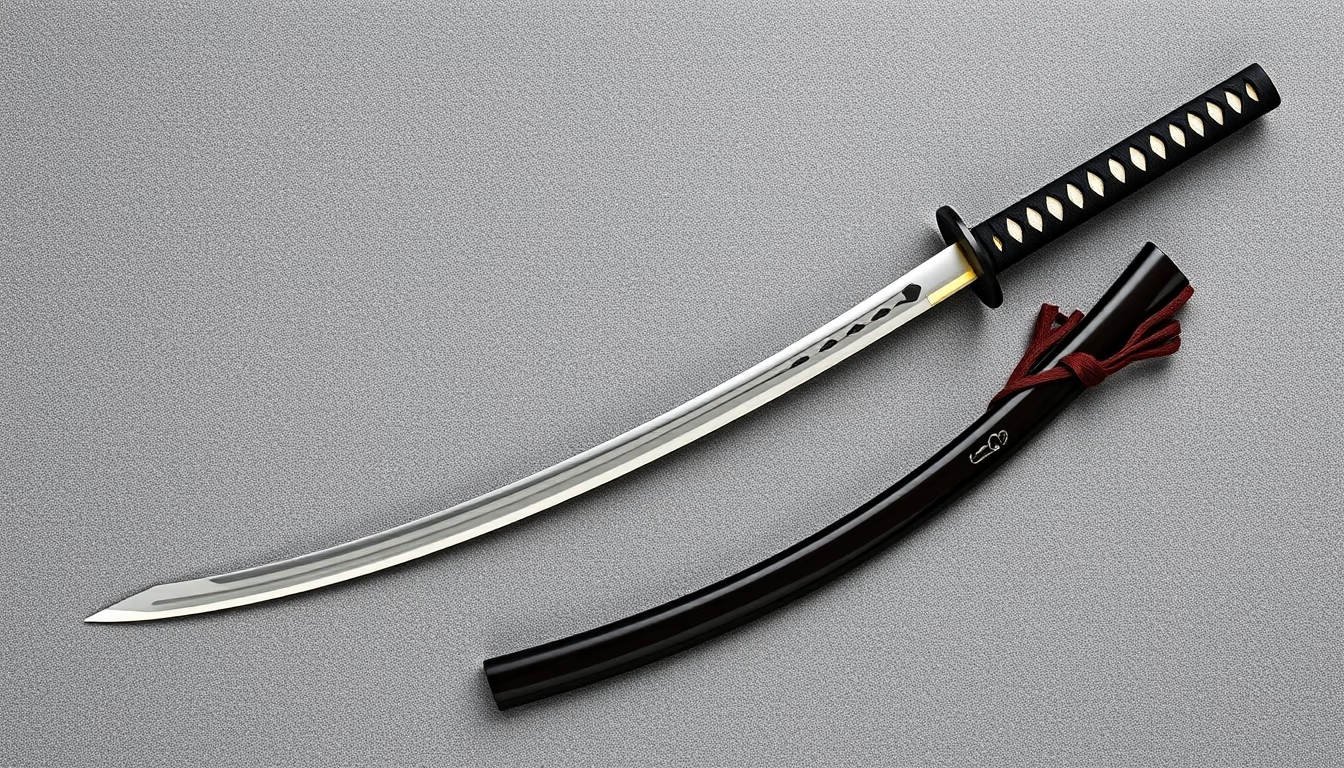
Katana japanese curved
1344×768 · AVIF · CC BY 4.0
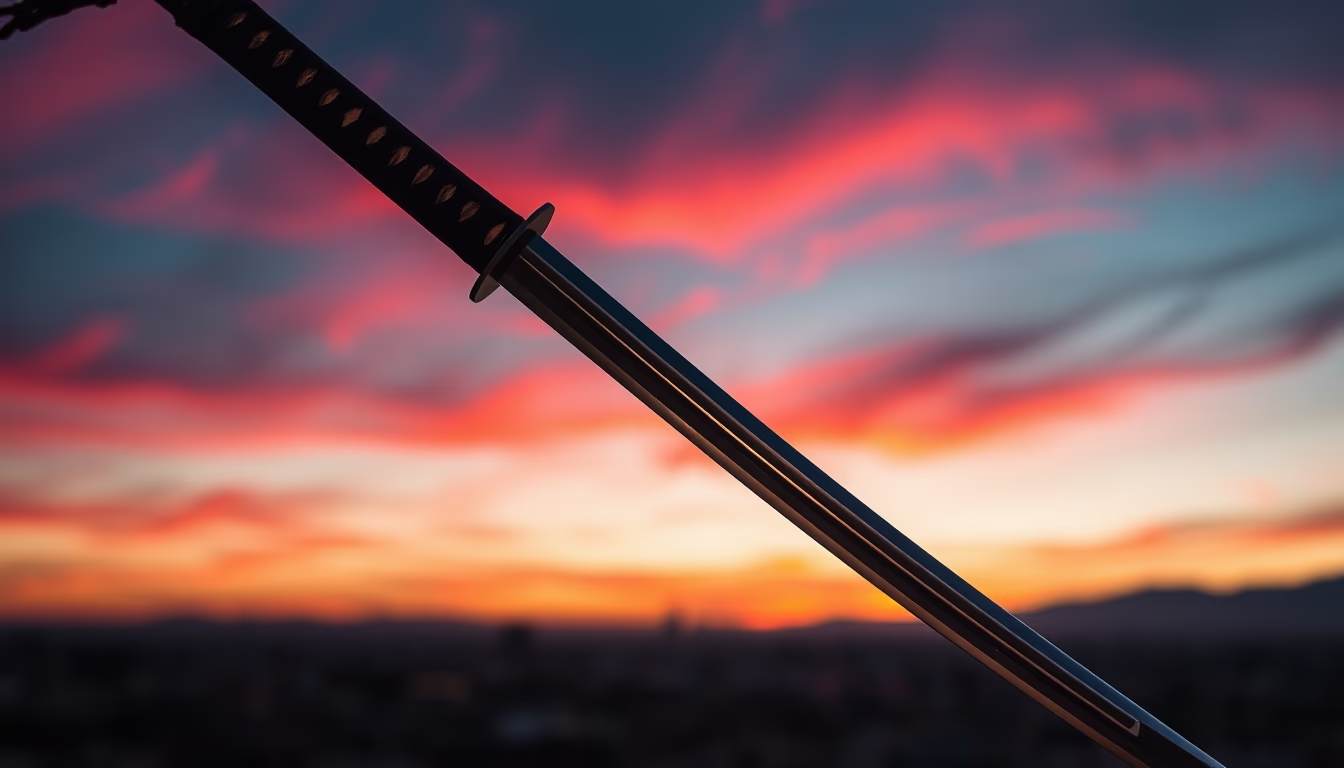
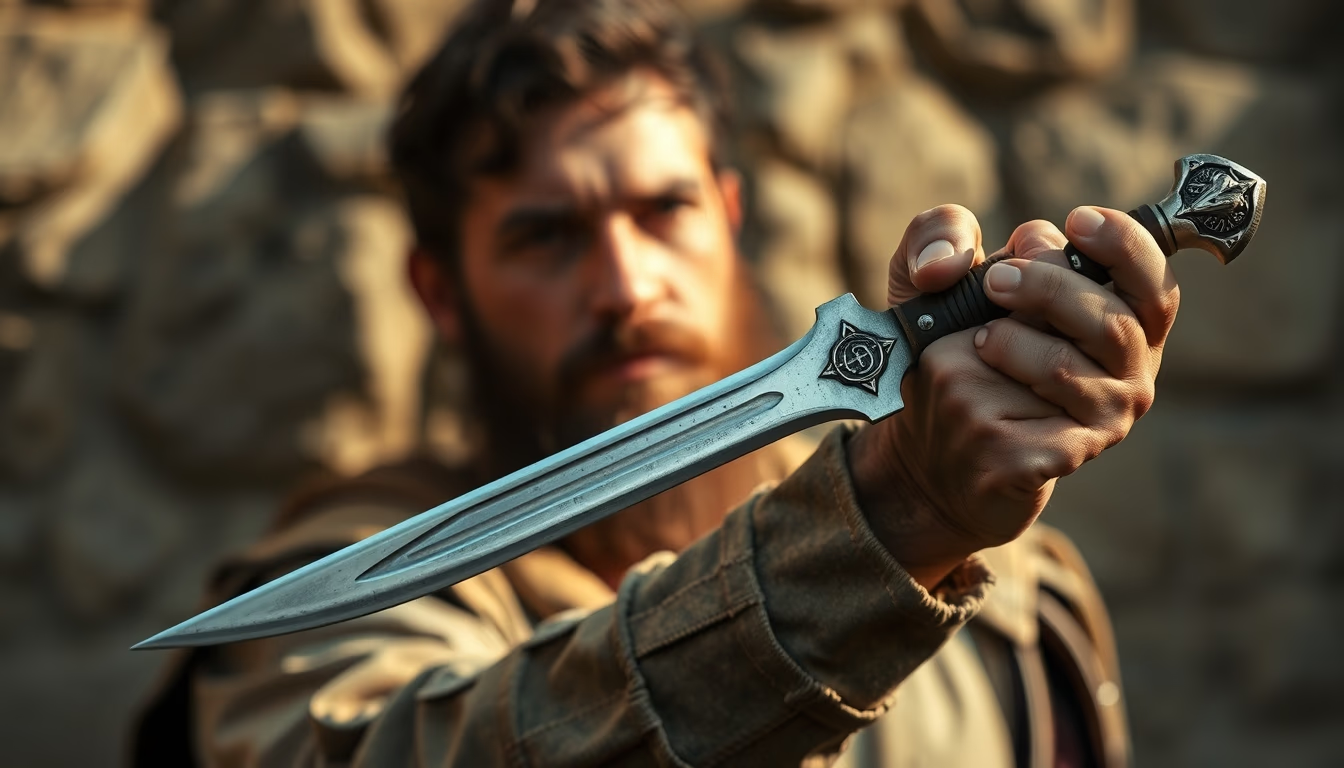
The katana is a Japanese sword with a curved blade, symbol of the samurai and Japanese martial tradition, renowned for its handcrafted forging and precise cutting.
About this subject
The katana, a Japanese sword with a curved, single-edged blade, emerged during the Kamakura period (1185, 1333) as an evolution of earlier straight swords called tachi. Its distinctive curvature (sori) enabled faster and more efficient strikes both on horseback and on foot. The blade length typically ranges from 60 to 73 cm, paired with a long handle (tsuka) designed for two-handed grip, making it a versatile and lethal weapon.
Crafting a katana is an ancient art. The traditional steel, tamahagane, is smelted from iron sand in tatara furnaces. The smith repeatedly folds and forges the metal, creating hundreds or thousands of layers that remove impurities and enhance strength. Differential hardening, using clay applied to the blade, produces the hamon (temper line) and hardens the edge while keeping the spine flexible. Each katana is unique, often signed by the artisan.
Culturally, the katana embodies the soul of the samurai and is central to Bushido, the warrior's code. It was a symbol of status and honor, passed down through generations. In modern times, the katana transcends its martial origin and is treasured as a work of art, displayed in museums and private collections. Martial arts such as iaido and kendo preserve its handling techniques, and its image pervades films, anime, and manga, solidifying its status as a global icon of Japanese culture.
Frequently Asked Questions
What is the origin of the katana?
The katana originated in the Kamakura period (1185, 1333), evolving from earlier straight tachi swords. Its curvature and design were optimized for mounted and foot combat, becoming the classic samurai weapon.
How is a katana made?
A katana is forged from tamahagane steel, which is repeatedly folded and welded to create layers and remove impurities. Differential hardening with clay produces the hamon (temper line) and gives the edge hardness while the spine remains flexible.
Is the katana still used today?
Yes, in martial arts such as iaido and kendo, as well as being a collectible and display item. It remains a Japanese cultural icon and features prominently in films, anime, and manga.
Direct URL
https://pub-c7d6a6ea828543ac903a74a341ccb2e1.r2.dev/imagens/katana-japanese-curved-long-exposure-fresh16.avifHow to credit
Include a visible link back to UtilizAí. Copy one of the snippets below:
<a href="https://xn--utiliza-eza.com/en/midia/imagens/katana-japanese-curved-long-exposure-fresh16">Katana japanese curved</a> by <a href="https://xn--utiliza-eza.com">UtilizAí</a>, licensed under <a href="https://creativecommons.org/licenses/by/4.0/">CC BY 4.0</a>.
[Katana japanese curved](https://xn--utiliza-eza.com/en/midia/imagens/katana-japanese-curved-long-exposure-fresh16) by [UtilizAí](https://xn--utiliza-eza.com), CC BY 4.0
License: CC-BY-4.0