Iv drip bag close-up sterile
1344×768 · AVIF · CC BY 4.0
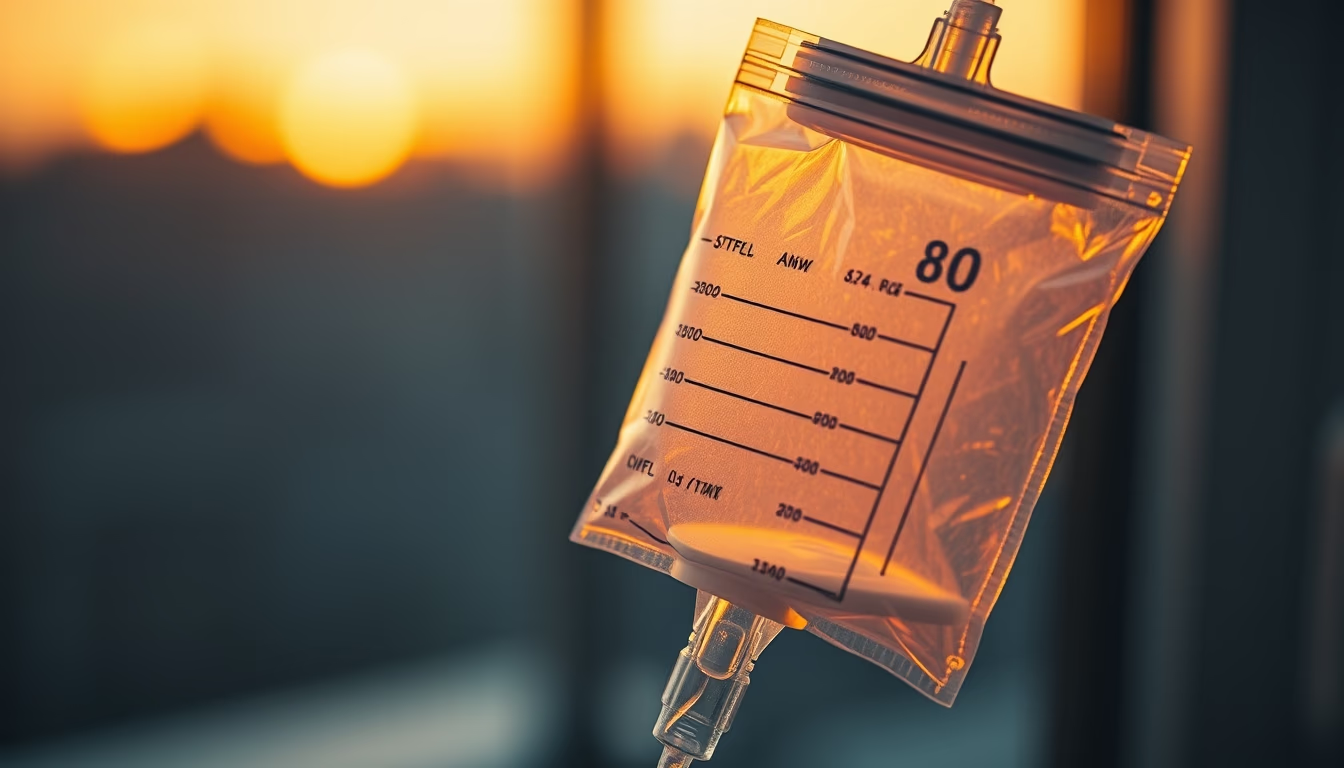
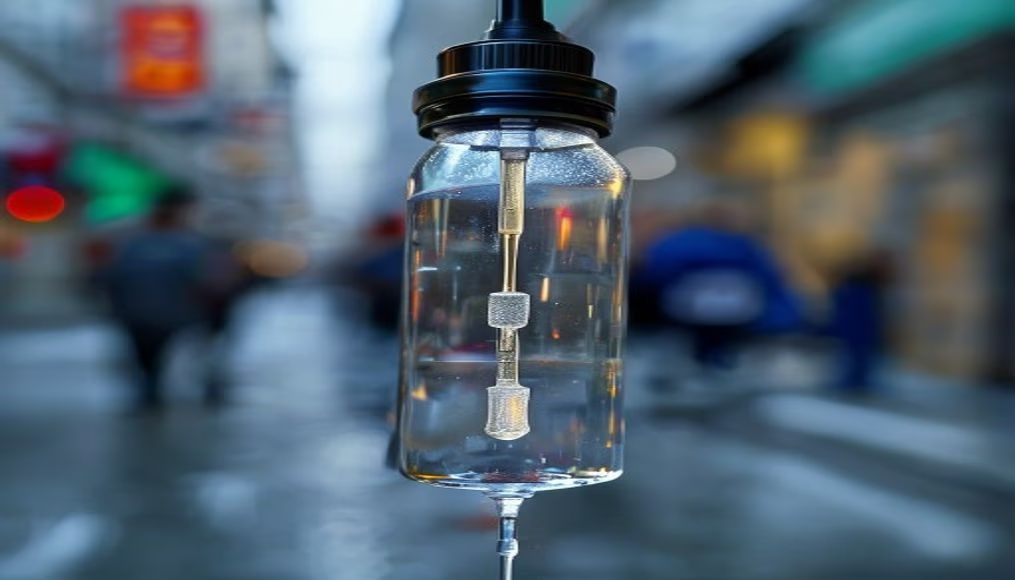
Intravenous drip bags are essential medical devices for administering fluids and medications directly into the bloodstream.
About this subject
Intravenous drip bags, also known as infusion bags, are critical components in hospital and emergency settings. They allow controlled administration of sterile solutions, such as saline, glucose, or medications, directly into the patient's vein. The system consists of a flexible bag, typically made of PVC or phthalate-free materials, connected to a tubing set that regulates flow by gravity or infusion pump.
Sterility is paramount: bags are vacuum-sealed and undergo rigorous sterilization processes, such as autoclaving or gamma radiation, to prevent contamination. The design includes access ports for adding medications and a sealing system that maintains content integrity. The transparency of the material allows visualization of the liquid and checking for particles or cloudiness.
Historically, the first successful intravenous infusion was performed in 1831 by Thomas Latta during a cholera epidemic. Since then, technology has evolved to include single-dose bags, hermetic closure systems, and safer materials. Today, drip bags are mass-produced, with capacities ranging from 50 mL to 1000 mL, and are internationally standardized to ensure compatibility with tubing and infusion pumps.
In the United States, production and distribution of IV bags follow FDA regulations, requiring traceability, quality control, and sterility. During the COVID-19 pandemic, demand for these devices surged, highlighting their importance in medication administration and patient rehydration. Recent innovations include bags with integrated sensors for remote flow monitoring and safety alerts.
Frequently Asked Questions
What is the primary function of an intravenous drip bag?
To administer fluids, electrolytes, and medications directly into the bloodstream, ensuring hydration, correction of imbalances, and rapid drug effect.
How is the sterility of IV bags ensured?
Bags are vacuum-sealed and sterilized via autoclaving or gamma radiation, with strict quality control and traceability per FDA regulations.
What are recent innovations in infusion bags?
Bags with integrated sensors for remote flow monitoring, hermetic closure systems, and phthalate-free materials for enhanced patient safety.
Direct URL
https://pub-c7d6a6ea828543ac903a74a341ccb2e1.r2.dev/imagens/iv-drip-bag-close-up-sterile-cinematic-wide-shot-v2.avifHow to credit
Include a visible link back to UtilizAí. Copy one of the snippets below:
<a href="https://xn--utiliza-eza.com/en/midia/imagens/iv-drip-bag-close-up-sterile-cinematic-wide-shot-v2">Iv drip bag close-up sterile</a> by <a href="https://xn--utiliza-eza.com">UtilizAí</a>, licensed under <a href="https://creativecommons.org/licenses/by/4.0/">CC BY 4.0</a>.
[Iv drip bag close-up sterile](https://xn--utiliza-eza.com/en/midia/imagens/iv-drip-bag-close-up-sterile-cinematic-wide-shot-v2) by [UtilizAí](https://xn--utiliza-eza.com), CC BY 4.0
License: CC-BY-4.0