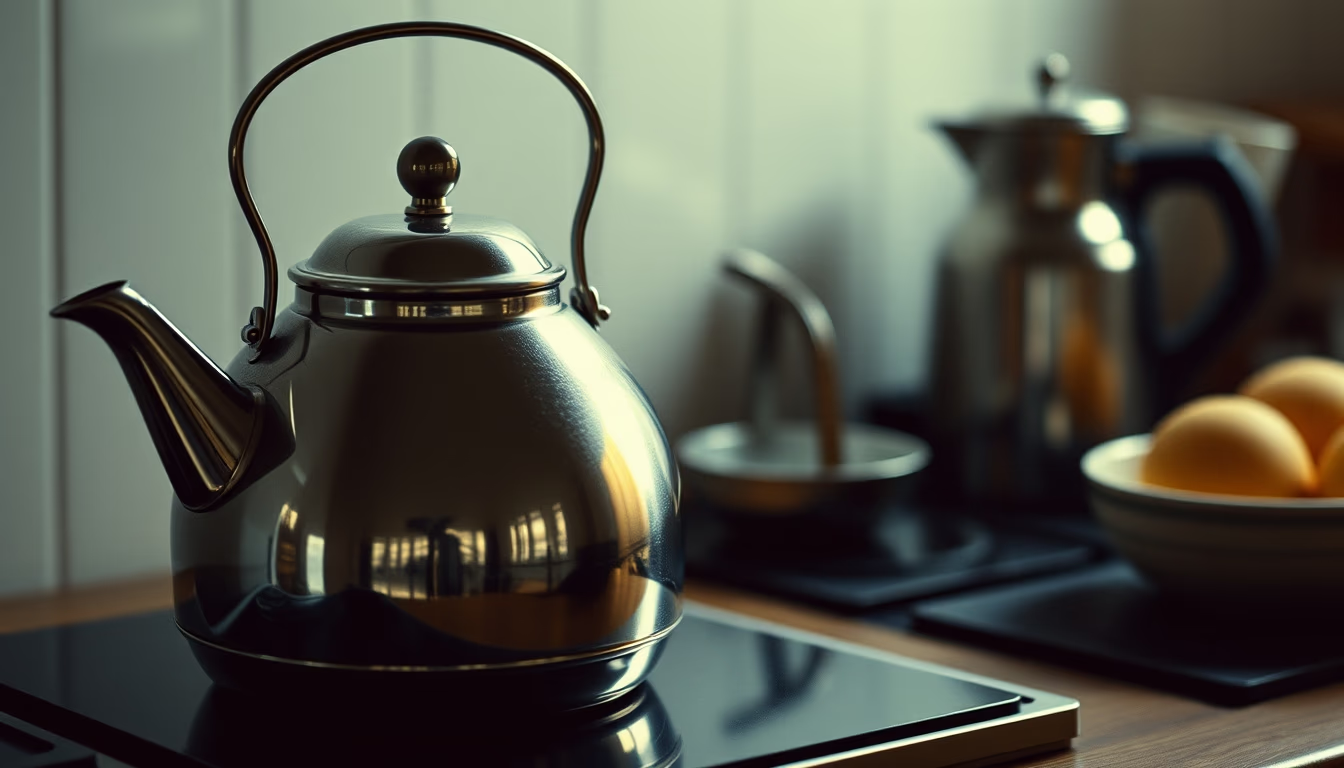
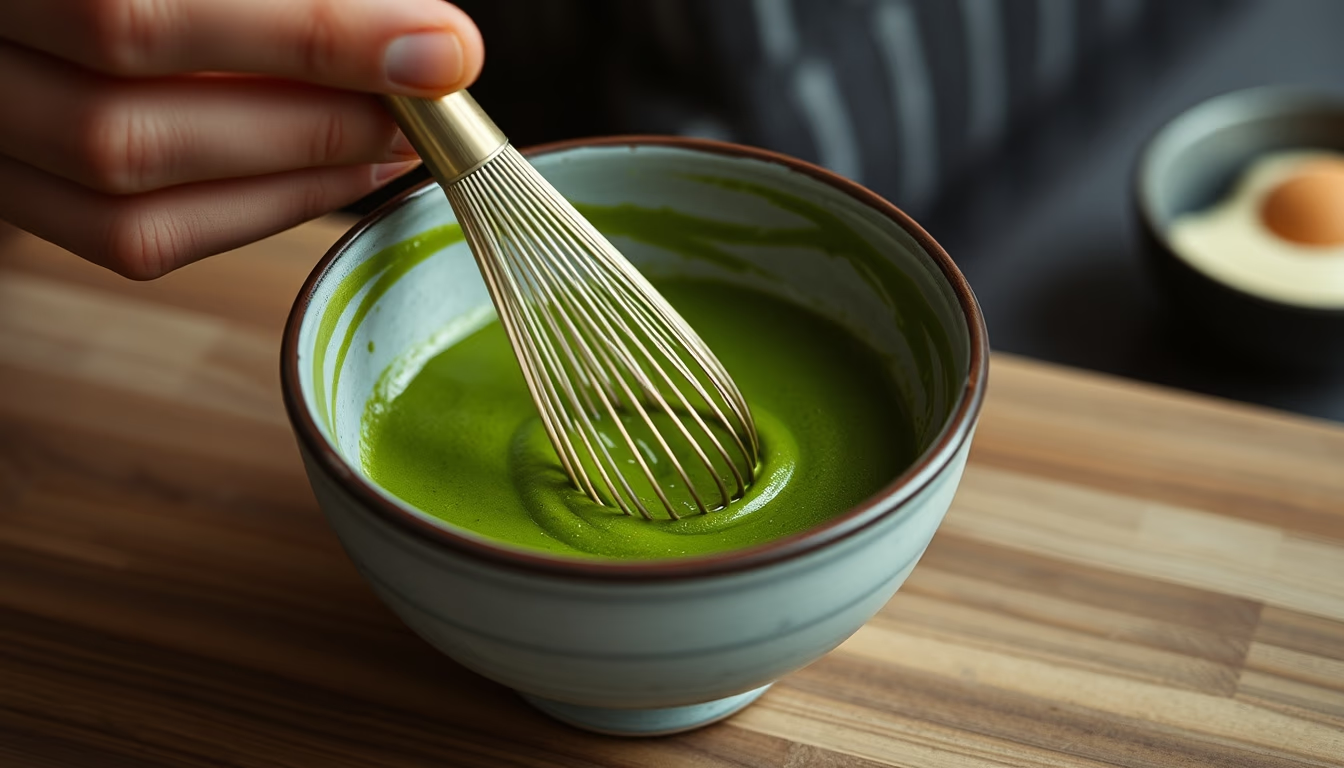
Iron kettle tetsubin
1344×768 · AVIF · CC BY 4.0
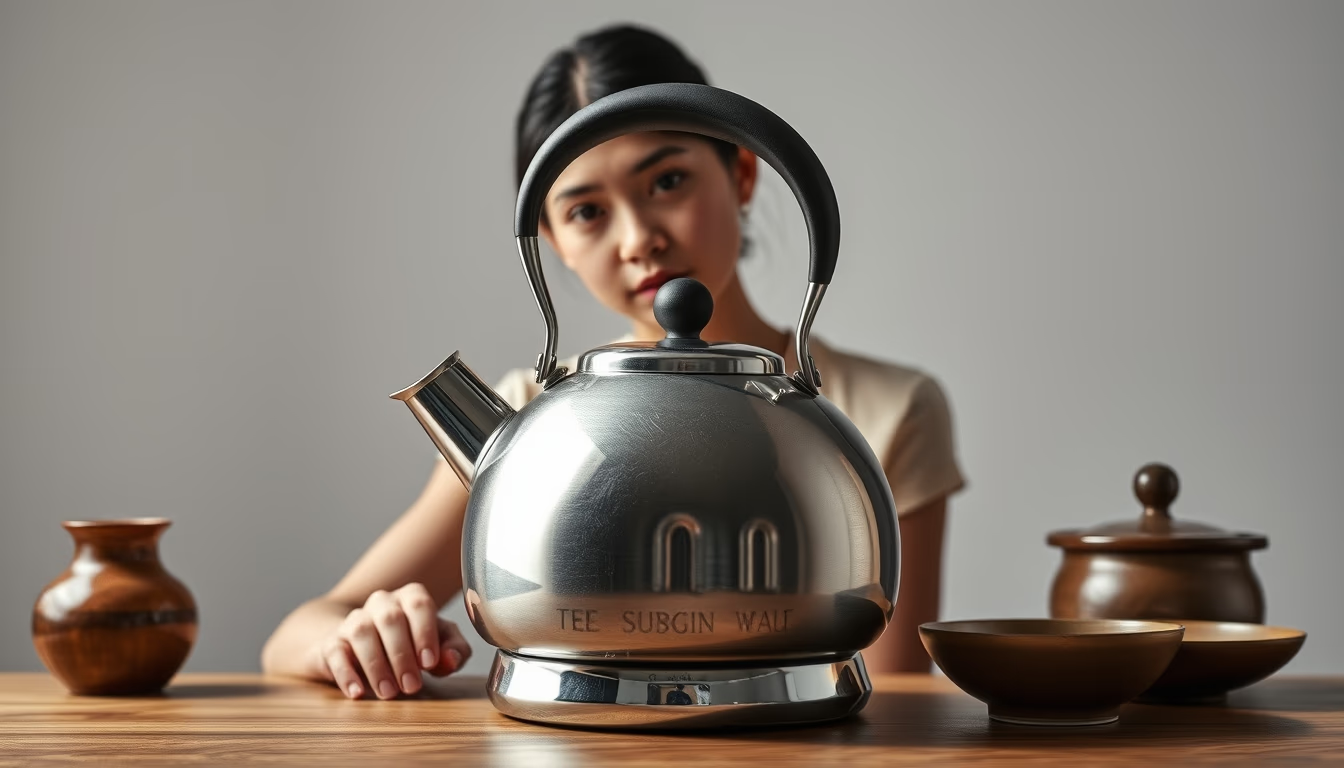
The tetsubin is a traditional Japanese cast iron kettle, essential in tea ceremonies and valued for its durability and aesthetics.
About this subject
The tetsubin, a traditional Japanese cast iron kettle, originated in the 17th century when artisans began crafting it for tea preparation. Unlike the kyusu (clay teapot), the tetsubin is used solely for boiling water, not for brewing tea directly. Its creation involves ancient casting techniques, such as sand molding, resulting in unique pieces with distinct reliefs and textures.
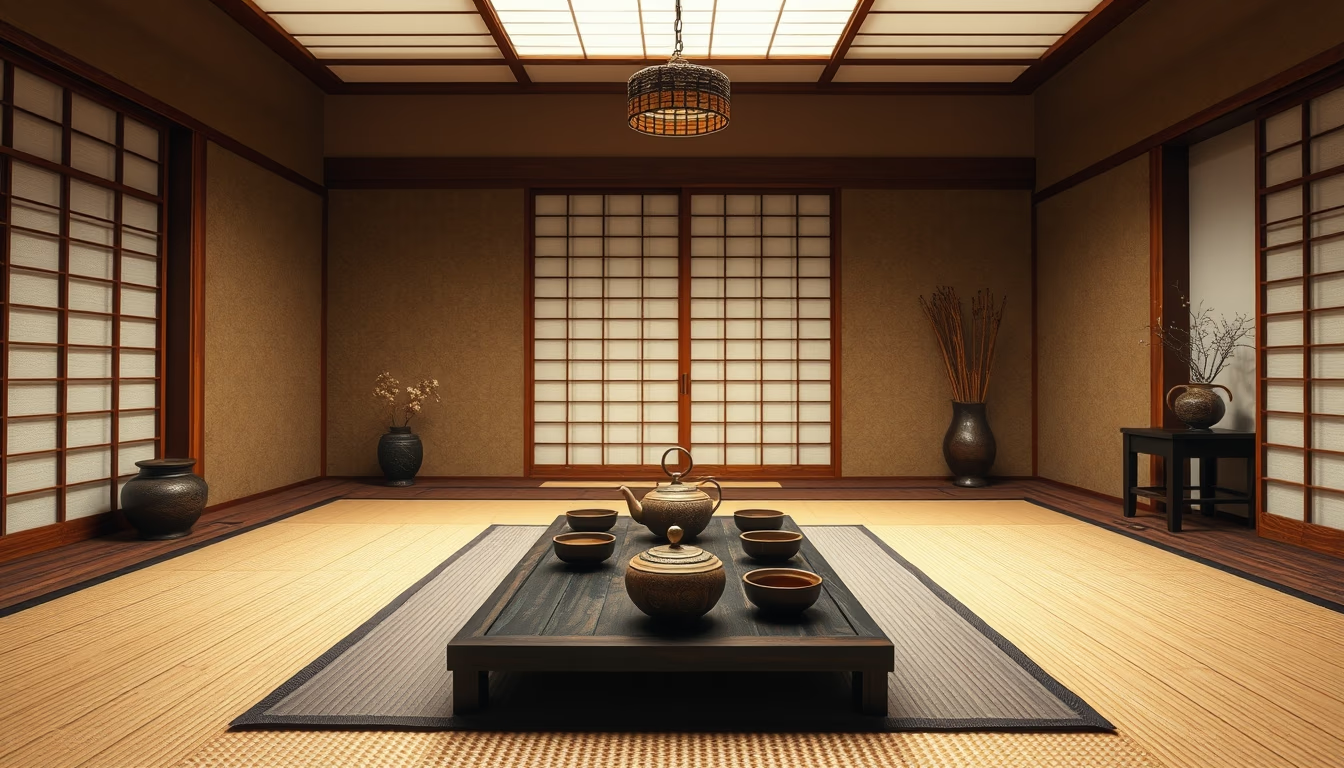
In the Japanese tea ceremony (chanoyu), the tetsubin plays a central role: water heated in it is poured over powdered matcha to make the beverage. Cast iron retains heat longer, allowing even heating. Additionally, contact with iron is believed to add trace minerals to the water, enhancing tea flavor. Many tetsubins have an enameled interior to prevent rust, while exteriors feature decorations like dragons, flowers, or landscapes.
Production is concentrated mainly in two regions: Morioka (Iwate Prefecture) and Takaoka (Toyama). Morioka is especially famous for Nambu tekki style, which includes kettles, pots, and other ironware. Handcrafted tetsubins can cost hundreds of dollars and are collectible items. Today, modern versions with enamel lining are popular for daily use, but tea ceremony purists still prefer traditional unlined models, which require special care to avoid oxidation.
A fun fact: although associated with Japan, the tetsubin has influenced Western cultures; it is now commonly found in tea shops worldwide as a symbol of refinement and tradition. Its functional, minimalist design reflects the wabi-sabi aesthetic, valuing imperfection and simplicity.
Frequently Asked Questions
What is the difference between a tetsubin and a regular teapot?
A tetsubin is made of cast iron and is used strictly for boiling water, not for brewing tea. Regular teapots are made of ceramic, glass, or clay and are used for steeping and serving tea.
Can a tetsubin be used on modern stoves?
Yes, but with care. Traditional unlined models may rust; enamel-lined versions are safer. Avoid high heat to prevent damaging the coating. Many are suitable for gas, electric, and even induction stoves.
Why is the tetsubin highly valued in the tea ceremony?
It heats water evenly, retains temperature longer, and, according to tradition, improves tea flavor by releasing minerals. Its rustic aesthetics also align with the chanoyu principles of simplicity and harmony.
Direct URL
https://pub-c7d6a6ea828543ac903a74a341ccb2e1.r2.dev/imagens/iron-kettle-tetsubin-studio-editorial-portrait-fresh7.avifHow to credit
Include a visible link back to UtilizAí. Copy one of the snippets below:
<a href="https://xn--utiliza-eza.com/en/midia/imagens/iron-kettle-tetsubin-studio-editorial-portrait-fresh7">Iron kettle tetsubin</a> by <a href="https://xn--utiliza-eza.com">UtilizAí</a>, licensed under <a href="https://creativecommons.org/licenses/by/4.0/">CC BY 4.0</a>.
[Iron kettle tetsubin](https://xn--utiliza-eza.com/en/midia/imagens/iron-kettle-tetsubin-studio-editorial-portrait-fresh7) by [UtilizAí](https://xn--utiliza-eza.com), CC BY 4.0
License: CC-BY-4.0