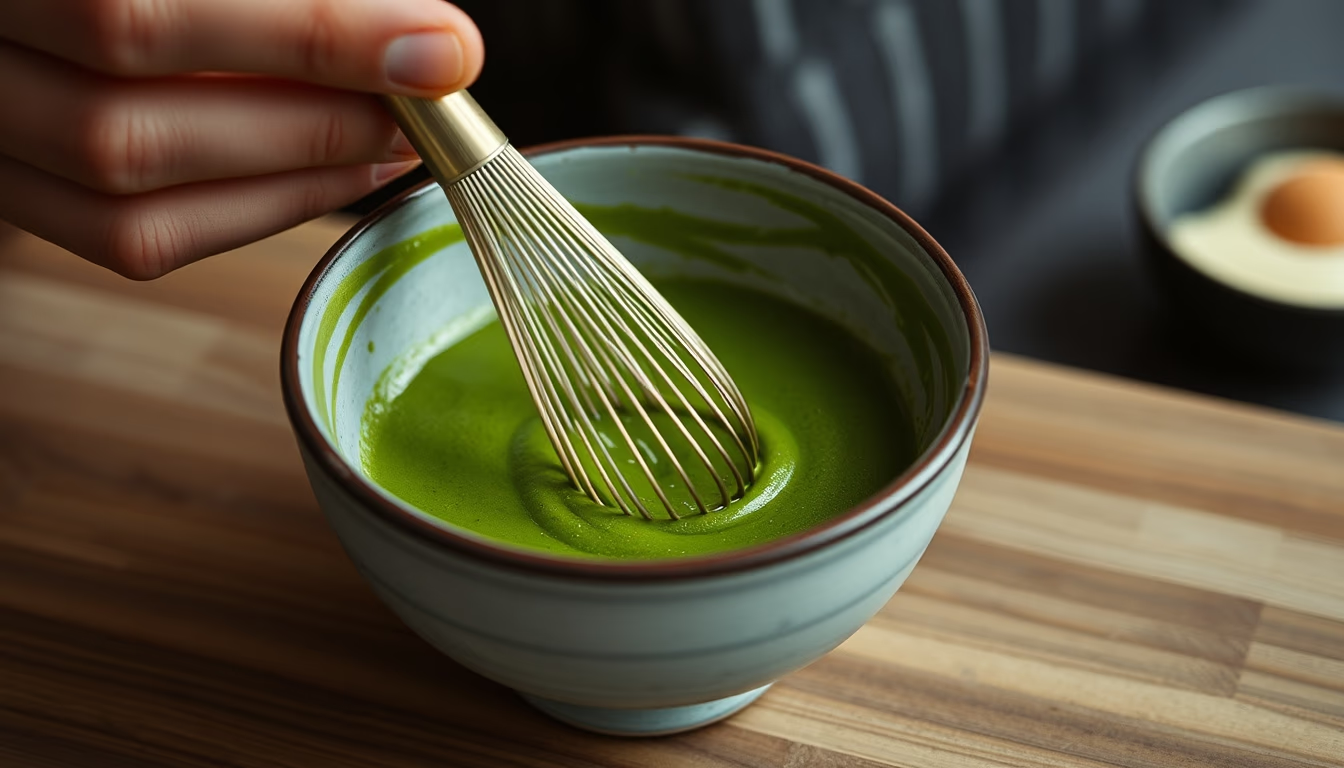
Iron kettle tetsubin
1344×768 · AVIF · CC BY 4.0
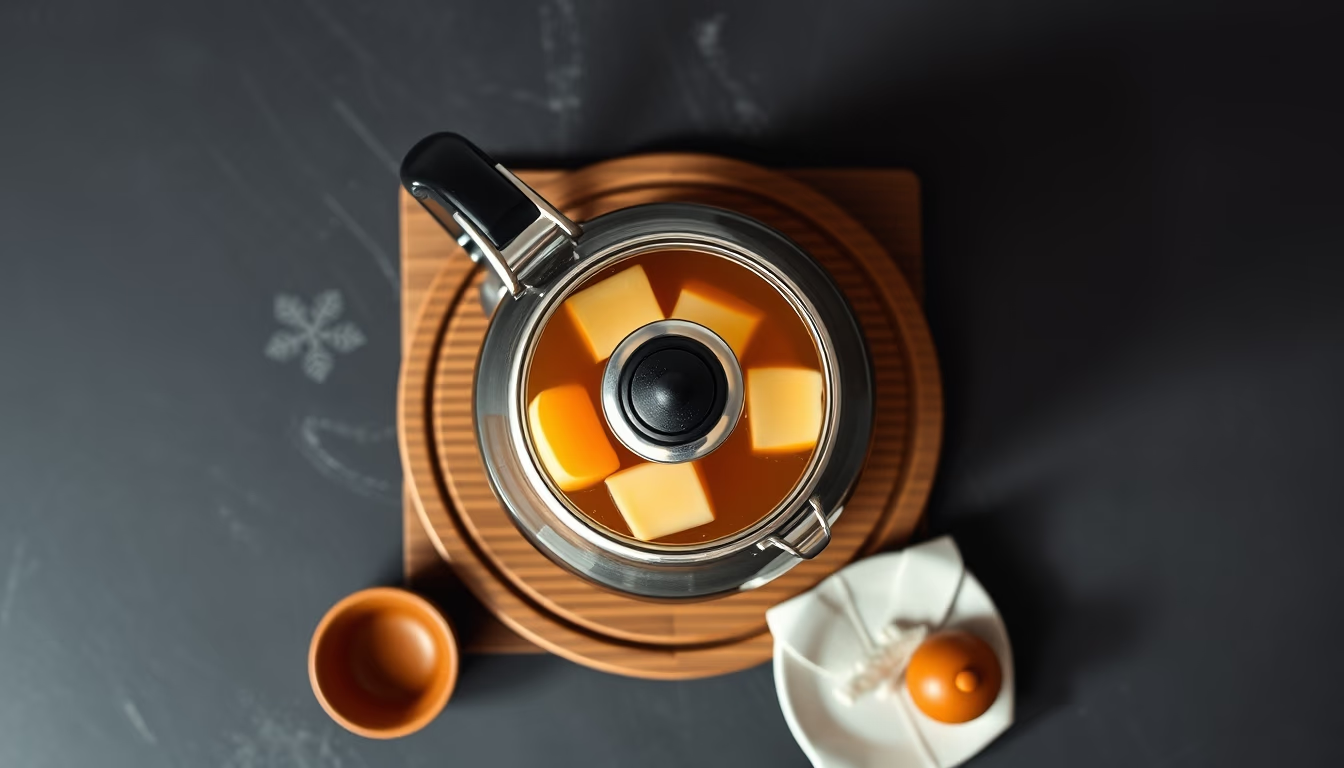
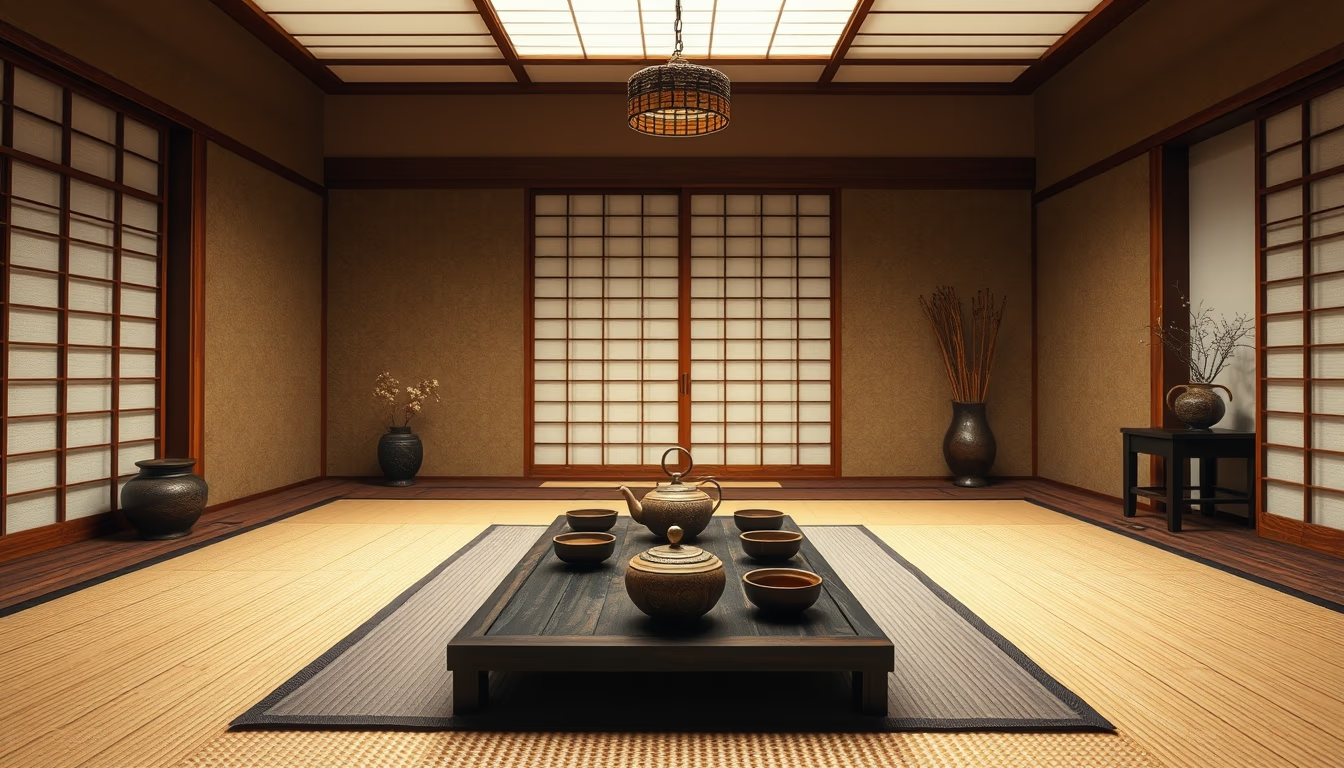
Tetsubin is a traditional Japanese cast iron kettle used in tea ceremonies. Discover its history, handcrafted production, and cultural significance.
About this subject
The tetsubin is a traditional Japanese cast iron kettle dating back to the 18th century. Unlike kyusu (clay teapots), the tetsubin is designed to boil water for tea, not for brewing directly. Its handcrafted production is concentrated in Iwate Prefecture, northern Japan, a region renowned for iron casting. The manufacturing process involves sand molds into which molten iron is poured to create unique pieces. After cooling, each kettle receives manual finishing, including a lacquer coating of paulownia oil on the interior to prevent rust.
Historically, the tetsubin gained popularity among merchants and samurai during the Edo period, replacing clay pots due to its durability and heat retention. The exterior often features embossed designs such as dragons, maple leaves, or geometric patterns, which not only enhance aesthetics but also aid heat dissipation. Spouts and handles are shaped for easy pouring and handling, following principles of functionality and elegance.
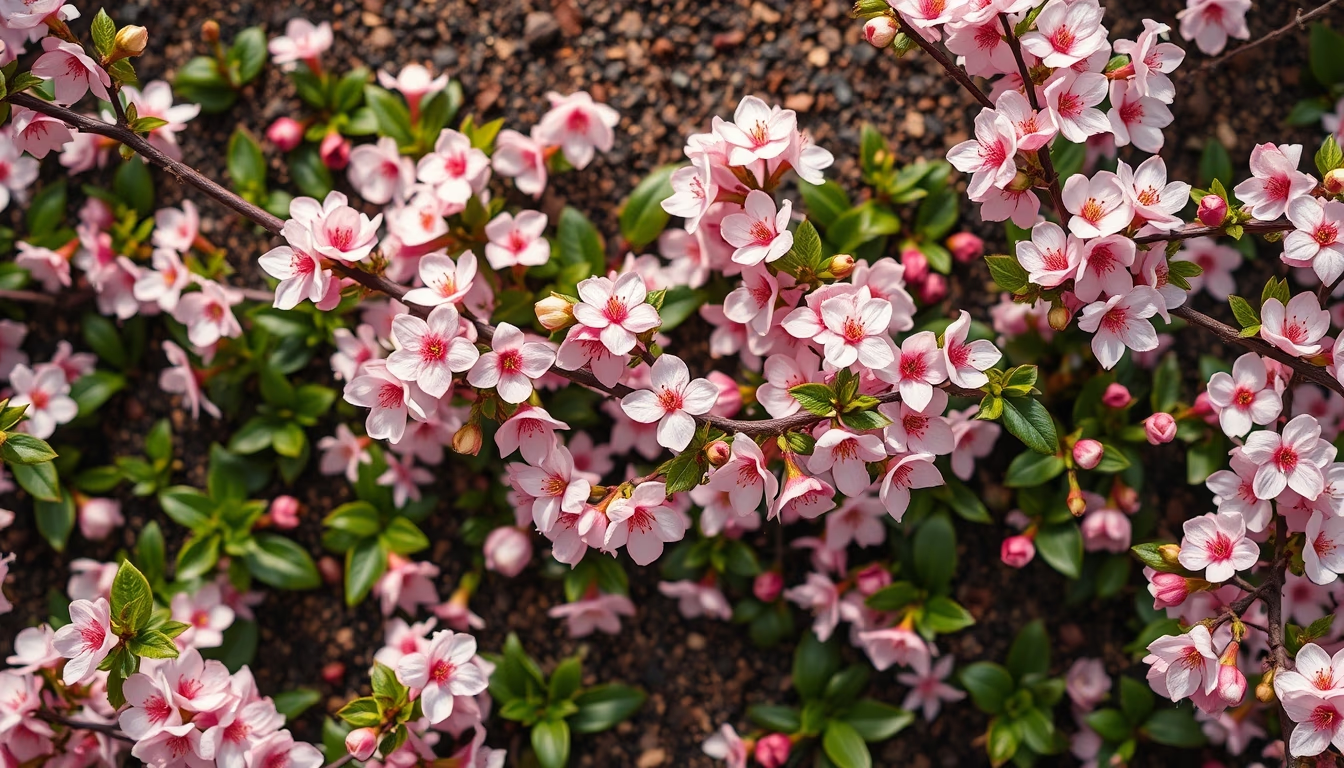
In Japanese culture, the tetsubin represents more than a tool; it embodies hospitality (omotenashi) and seasonal appreciation. Different designs are associated with specific times of year, such as cherry blossoms for spring or pine trees for winter. While many modern tetsubin have enamel interior linings, traditional ones require careful maintenance: gradual heating and thorough drying after use to preserve the natural patina that develops over time.
For tea enthusiasts, the tetsubin offers a sensory experience: the sound of boiling water, the rough texture of iron, and the mild release of iron ions that soften water, enhancing the flavor of green tea. Its popularity has spread beyond Japan, appreciated by collectors and ceremony practitioners worldwide. Brands like Oigen and Iwachu continue the tradition, blending centuries-old techniques with adaptations for modern stoves, such as flat-bottomed models suitable for cooktops.
Frequently Asked Questions
Can a tetsubin be used on modern stoves?
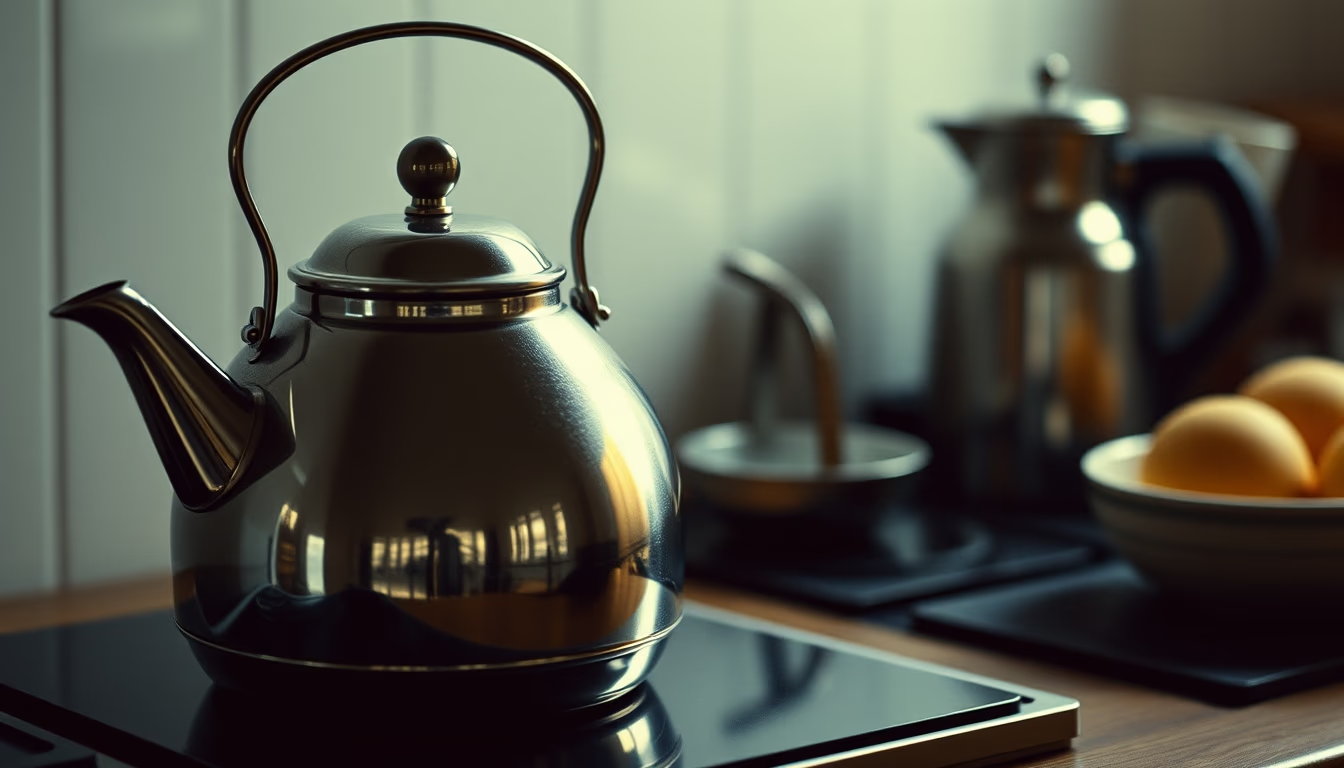
Some modern models have flat bottoms and enamel interior linings, making them compatible with gas, electric, and even induction stoves. Traditional unenameled tetsubins should only be used on charcoal braziers or wood stoves, as direct heat can damage them.
How do you maintain an unenameled tetsubin?
After use, empty any remaining water and dry it completely by gently heating on the stove. Do not use soap; rinse only with water. Over time, a protective iron oxide layer (patina) forms, preventing rust and enhancing water flavor.
Are tetsubin and tetsukyusu the same?
No. A tetsubin is a kettle for boiling water, while a tetsukyusu is a cast iron teapot with a built-in infuser for brewing tea directly. The tetsubin has a wide mouth and no filter.
Direct URL
https://pub-c7d6a6ea828543ac903a74a341ccb2e1.r2.dev/imagens/iron-kettle-tetsubin-isometric-flat-lay-fresh1.avifHow to credit
Include a visible link back to UtilizAí. Copy one of the snippets below:
<a href="https://xn--utiliza-eza.com/en/midia/imagens/iron-kettle-tetsubin-isometric-flat-lay-fresh1">Iron kettle tetsubin</a> by <a href="https://xn--utiliza-eza.com">UtilizAí</a>, licensed under <a href="https://creativecommons.org/licenses/by/4.0/">CC BY 4.0</a>.
[Iron kettle tetsubin](https://xn--utiliza-eza.com/en/midia/imagens/iron-kettle-tetsubin-isometric-flat-lay-fresh1) by [UtilizAí](https://xn--utiliza-eza.com), CC BY 4.0
License: CC-BY-4.0