Iron kettle tetsubin
1344×768 · AVIF · CC BY 4.0
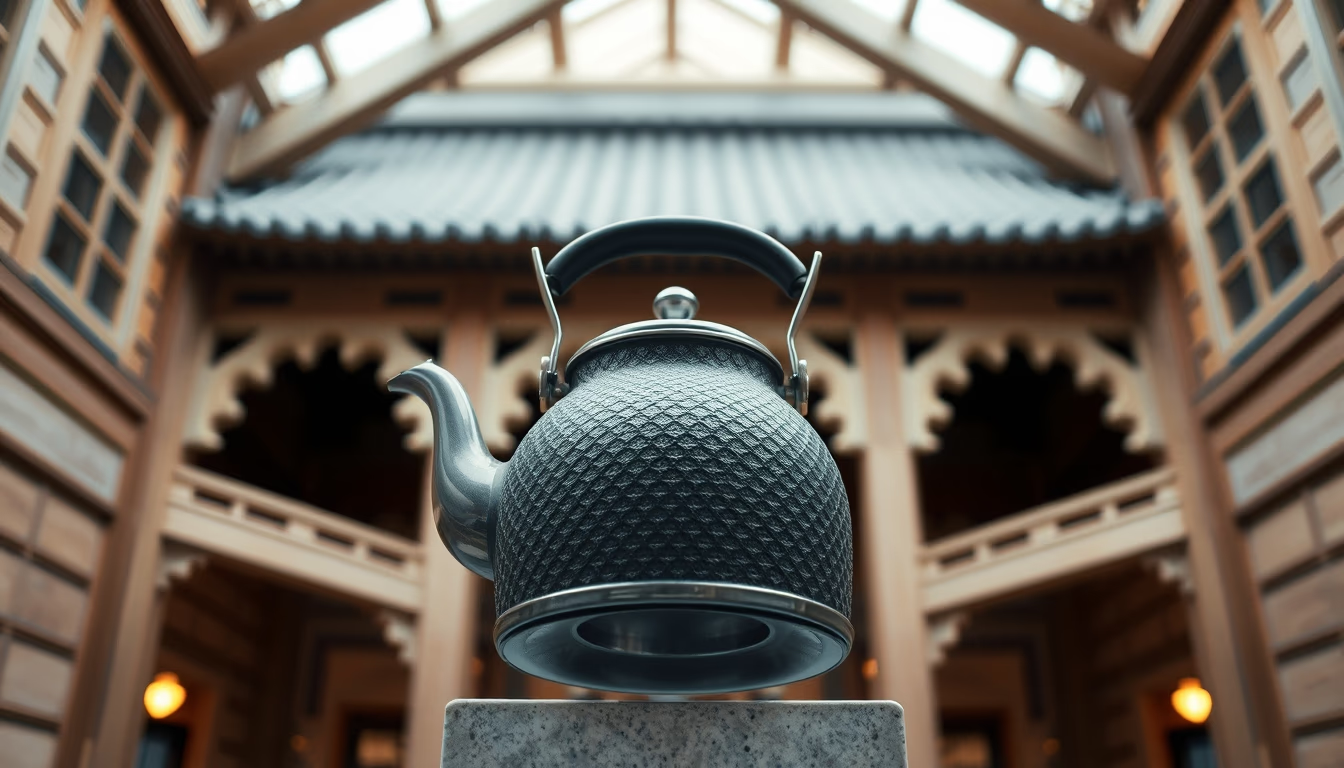
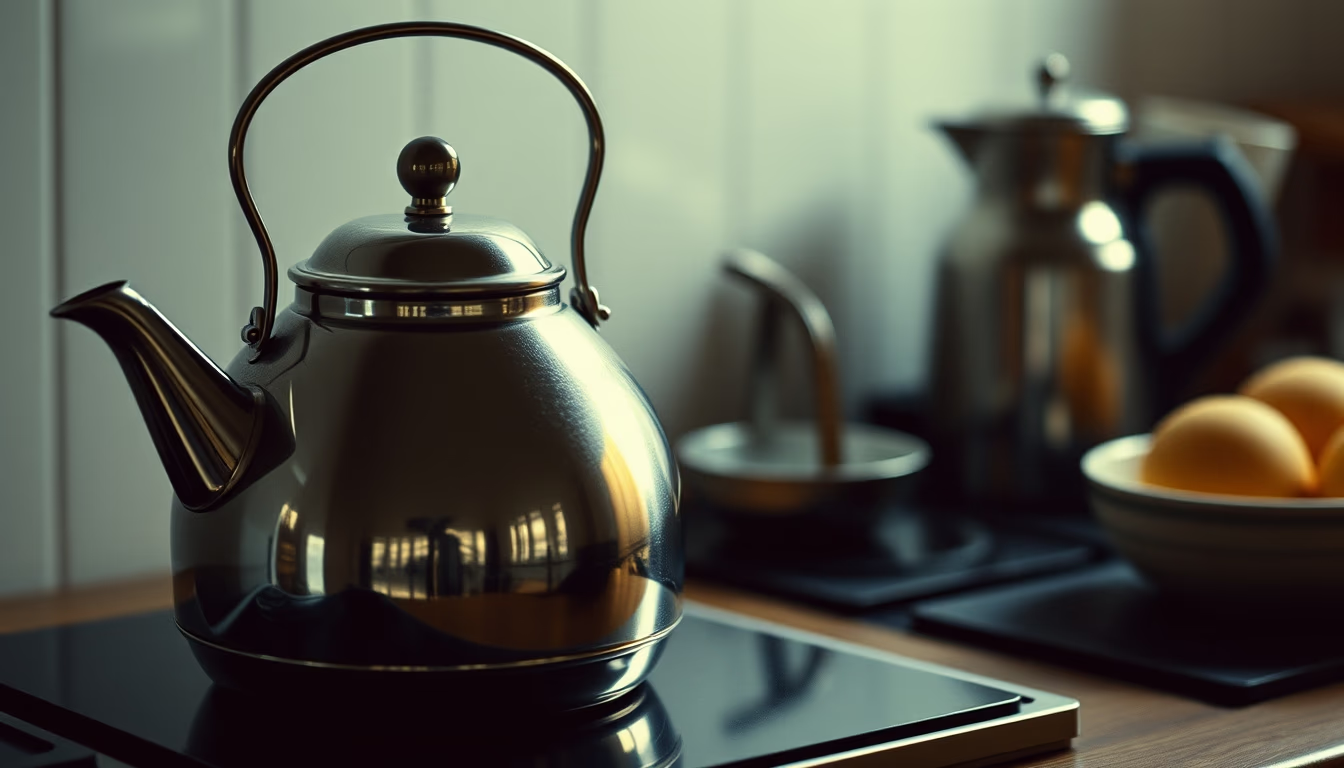
The tetsubin, a Japanese cast iron kettle, is essential in tea ceremonies for retaining heat and enhancing water flavor.
About this subject
The tetsubin, a Japanese cast iron kettle, originated in the Edo period (17th century) when metalworkers began crafting iron kettles for boiling water. Initially used solely for heating water, it was adopted into the tea ceremony (chanoyu) around the 18th century, replacing ceramic kettles. Its popularity grew due to its ability to retain heat longer and the belief that iron enhances water flavor, adding a subtle mineral note.
Crafting a tetsubin is a meticulous handmade process. Major production areas include Morioka and Nambu in Iwate Prefecture, known as Nambu tekki. Each piece is sand-molded and cast in iron, then finished with an internal enamel coating to prevent rust. Traditional tetsubins have iron handles (or brass in modern versions) and a lid with a knob. The design reflects wabi-sabi aesthetics, emphasizing simplicity and imperfection.
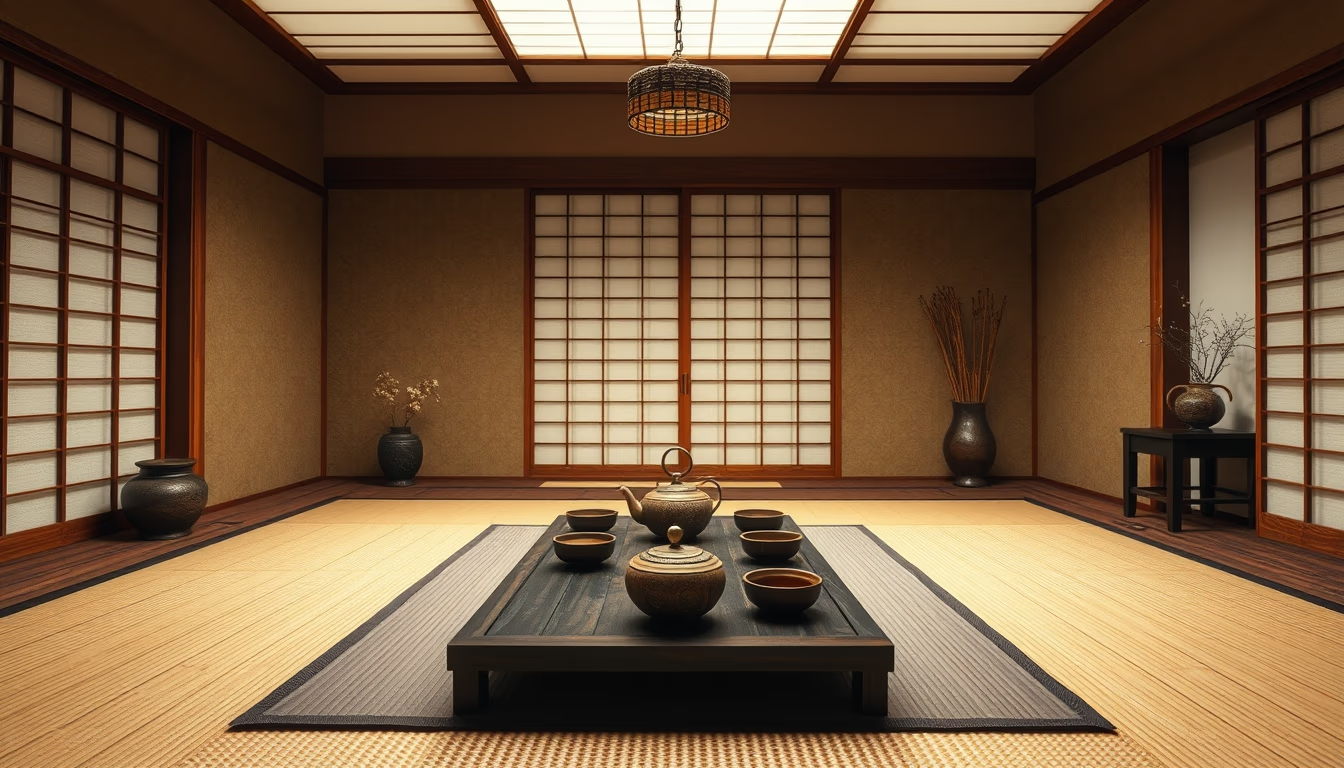
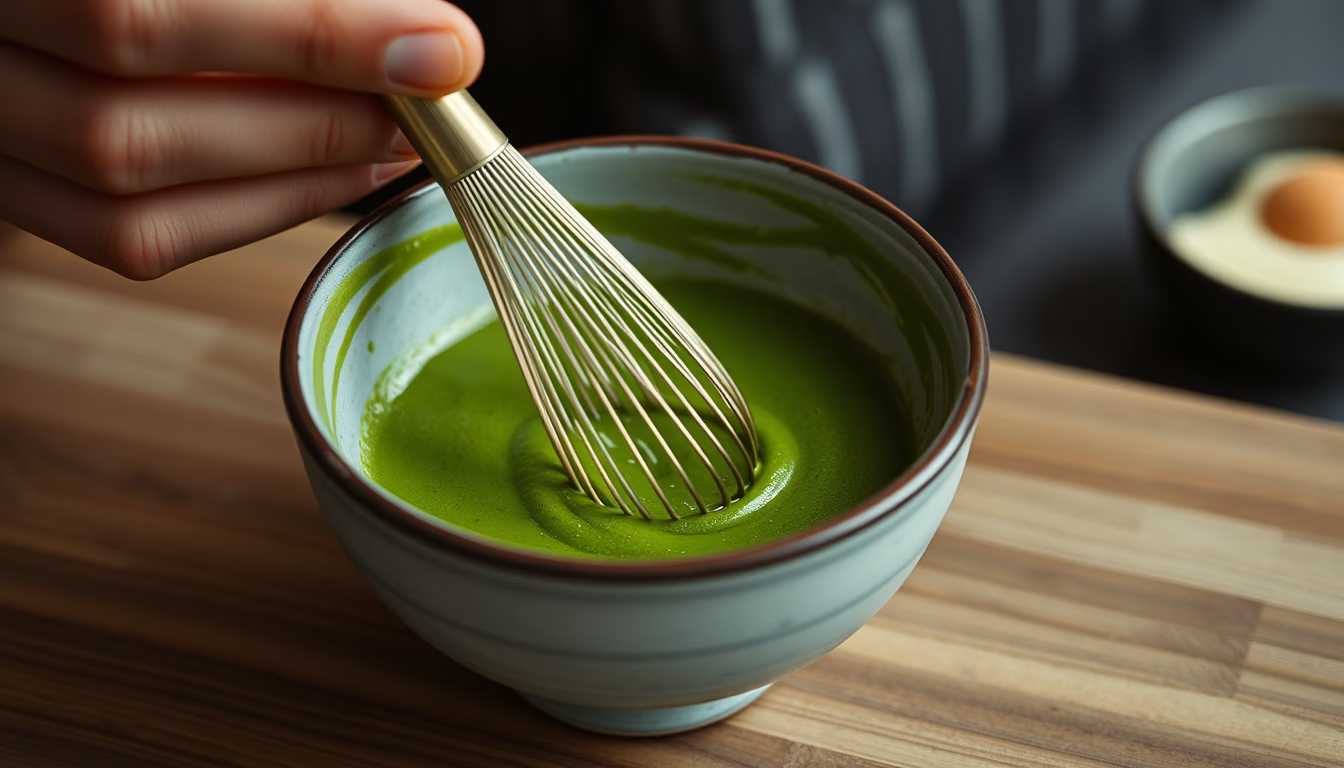
In Japanese culture, the tetsubin is not just a utensil but a symbol of hospitality and tradition. During tea ceremonies, the kettle sits on a brazier (hibachi) and the boiled water is used to prepare matcha. Special care includes initial seasoning (boiling water with tea leaves to form a protective patina) and thorough drying after use to prevent corrosion. Today, tetsubins are cherished worldwide by collectors and tea enthusiasts, combining function and art.
Frequently Asked Questions
What is a tetsubin?
A tetsubin is a Japanese cast iron kettle traditionally used for boiling water, especially in the tea ceremony. It is prized for its heat retention and for allegedly enhancing the flavor of water.
How to care for a tetsubin to prevent rust?
After use, empty any remaining water and dry the kettle thoroughly with a cloth. Leave the lid off to air dry. Avoid soap; if needed, use only hot water. To season, boil water with green tea leaves for 10-15 minutes to create a protective layer.
What is the difference between a tetsubin and a regular iron kettle?
A tetsubin is handmade, with traditional Japanese design and often internally enameled. Regular iron kettles may have less careful finishing and are not suitable for direct heat without proper coating.
Direct URL
https://pub-c7d6a6ea828543ac903a74a341ccb2e1.r2.dev/imagens/iron-kettle-tetsubin-architectural-photography-fresh16.avifHow to credit
Include a visible link back to UtilizAí. Copy one of the snippets below:
<a href="https://xn--utiliza-eza.com/en/midia/imagens/iron-kettle-tetsubin-architectural-photography-fresh16">Iron kettle tetsubin</a> by <a href="https://xn--utiliza-eza.com">UtilizAí</a>, licensed under <a href="https://creativecommons.org/licenses/by/4.0/">CC BY 4.0</a>.
[Iron kettle tetsubin](https://xn--utiliza-eza.com/en/midia/imagens/iron-kettle-tetsubin-architectural-photography-fresh16) by [UtilizAí](https://xn--utiliza-eza.com), CC BY 4.0
License: CC-BY-4.0