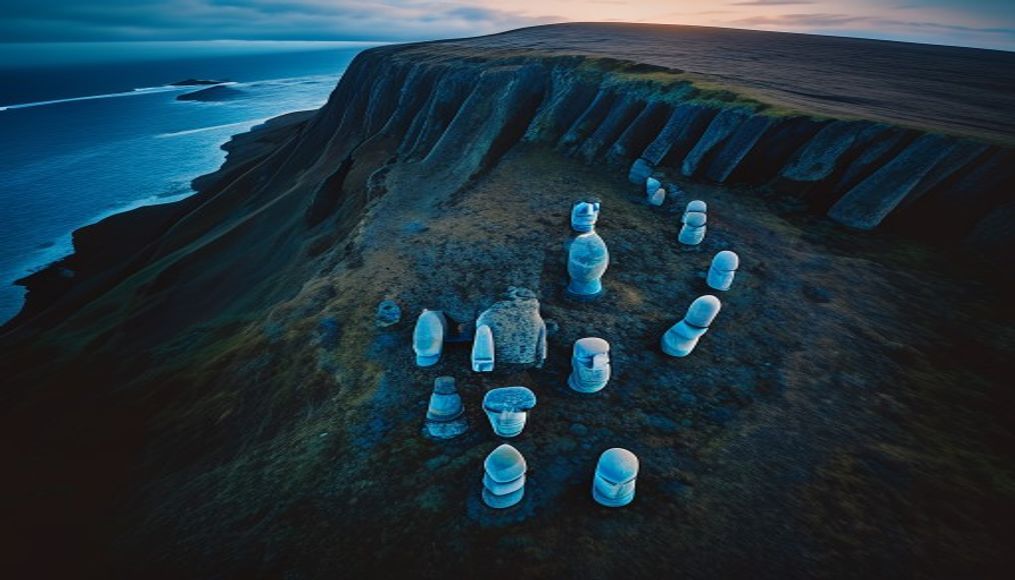
Iguazu falls panoramic
1344×768 · AVIF · CC BY 4.0

Iguazu Falls, on the border of Brazil and Argentina, form one of the largest and most spectacular waterfall systems in the world, with 275 drops.
About this subject
Iguazu Falls are located in Iguaçu National Park in Paraná, Brazil, and Iguazú National Park in Misiones, Argentina. This waterfall system stretches approximately 2.7 kilometers (1.7 miles) in width, with an average height of 82 meters (269 feet). The tallest drop, Devils Throat (Garganta do Diabo), reaches 82 meters and is the most powerful. The system consists of 275 individual falls, formed by erosion of basalt rock over millennia. In 1986, UNESCO designated both parks as World Natural Heritage sites, recognizing their ecological importance and scenic beauty.
The water volume passing through the falls varies seasonally, reaching up to 6.5 million liters per second during the rainy season. This intense flow creates a constant mist that sustains lush vegetation around, including bromeliads and orchids. The region hosts diverse wildlife, notably the harpy eagle, toco toucan, and jaguar, often seen along park trails. The falls are a major tourist destination, attracting over 1.5 million visitors annually.
From the Brazilian side, a panoramic view offers a broad perspective of the falls, while the Argentine side has walkways that approach Devils Throat. The geological formation dates back about 130 million years to volcanic activity that created the Paraná Basin. Unlike Niagara Falls, which are taller, Iguazu Falls are wider and have greater water volume, considered by many to be the most impressive in the world.
The falls symbolize ecotourism in Brazil and Argentina, with visitor infrastructure including reception centers, trails, and helicopter tours. The name "Iguazu" comes from the Tupi-Guarani language, meaning "big water," directly referencing the falls' magnitude. Conservation of the area is vital to maintain the ecological balance of the Atlantic Forest, one of the most threatened biomes on the planet.
Frequently Asked Questions
What is the best time to visit Iguazu Falls?
The best time is between March and May or September and November, when the weather is mild and water volume is moderate. Avoid January and February (heavy rains) and June to August (cold and lower volume).
How many waterfalls are there in Iguazu Falls?
There are 275 individual falls, with Devils Throat being the largest and most famous. The number can vary slightly depending on water levels.
Which side is better to visit, Brazil or Argentina?
The Brazilian side offers a panoramic view of the falls, while the Argentine side provides closer access to the falls, especially Devils Throat. Many visitors explore both sides.
Direct URL
https://pub-c7d6a6ea828543ac903a74a341ccb2e1.r2.dev/imagens/iguazu-falls-panoramic-studio-still-life-p1.avifHow to credit
Include a visible link back to UtilizAí. Copy one of the snippets below:
<a href="https://xn--utiliza-eza.com/en/midia/imagens/iguazu-falls-panoramic-studio-still-life-p1">Iguazu falls panoramic</a> by <a href="https://xn--utiliza-eza.com">UtilizAí</a>, licensed under <a href="https://creativecommons.org/licenses/by/4.0/">CC BY 4.0</a>.
[Iguazu falls panoramic](https://xn--utiliza-eza.com/en/midia/imagens/iguazu-falls-panoramic-studio-still-life-p1) by [UtilizAí](https://xn--utiliza-eza.com), CC BY 4.0
License: CC-BY-4.0