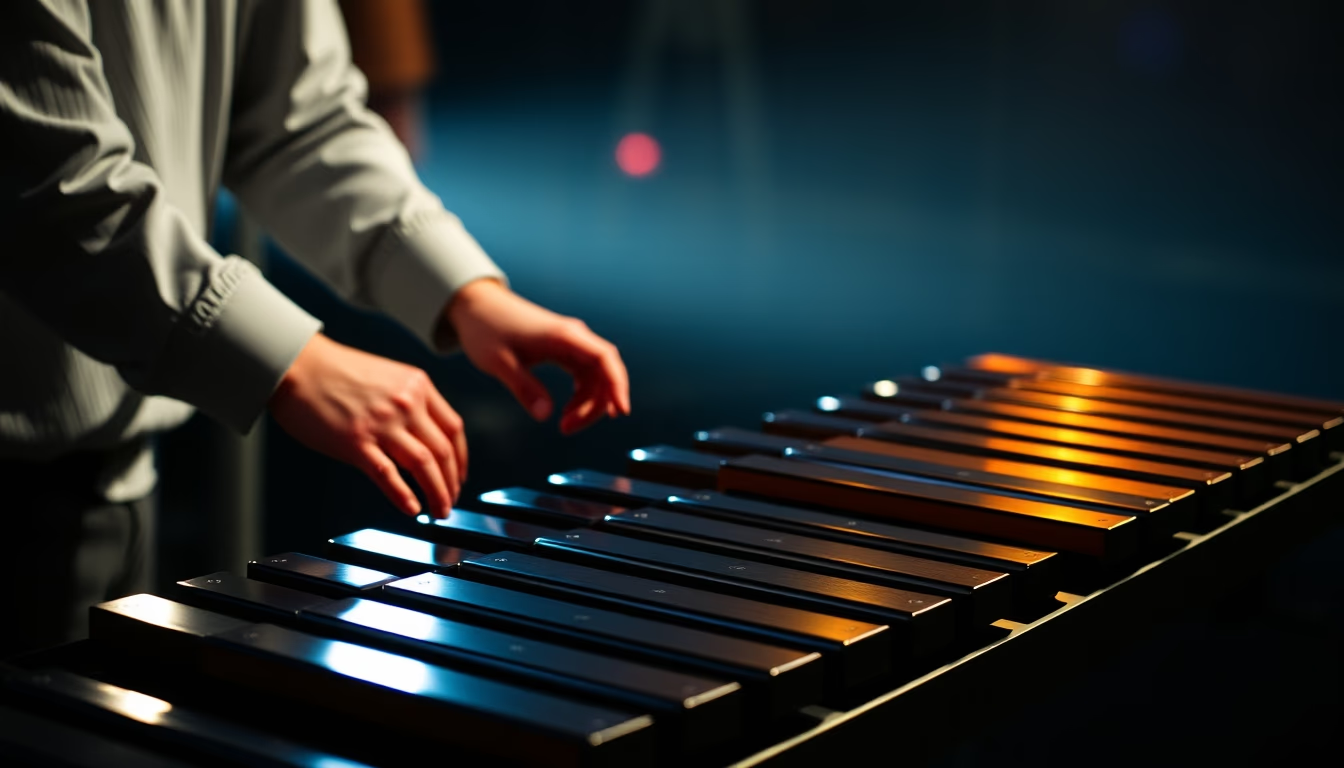
Harpsichord baroque
1344×768 · AVIF · CC BY 4.0
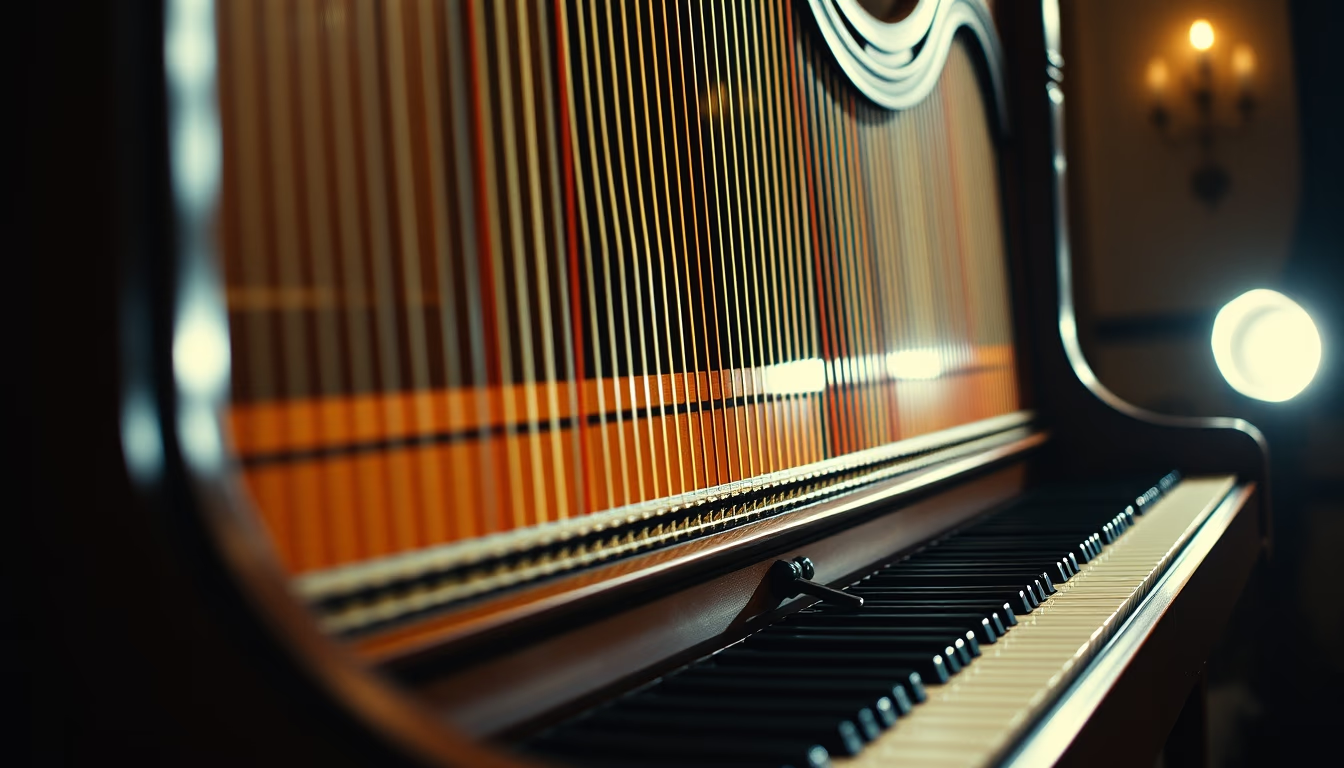
O cravo barroco é um instrumento musical de cordas pinçadas que dominou a música europeia entre os séculos XVII e XVIII.
Sobre o tema
O cravo barroco, conhecido como harpsichord em inglês, é um instrumento de teclado cujas cordas são pinçadas por plectros. Diferente do piano, que produz som por martelos batendo nas cordas, o cravo gera um timbre metálico e brilhante, incapaz de variações dinâmicas significativas pela pressão das teclas. Sua origem remonta ao final da Idade Média, mas atingiu o auge durante o período barroco (1600-1750), sendo o instrumento solista e de acompanhamento preferido em cortes e igrejas.
Compositores como Johann Sebastian Bach, George Frideric Handel e Domenico Scarlatti escreveram obras-primas para cravo. Bach, em particular, explorou ao máximo suas capacidades contrapontísticas no Cravo Bem-Temperado e nas Variações Goldberg. O instrumento frequentemente possuía dois teclados manuais, permitindo contrastes de registro e execução de peças complexas. Os registros ativavam diferentes conjuntos de cordas, criando variações de timbre e volume.
A construção do cravo barroco envolvia materiais nobres como madeira de cipreste e bucho, com decorações elaboradas. Cada instrumento era único, com dimensões e sonoridade particulares. A partir do século XVIII, o cravo caiu em desuso com a ascensão do piano, que oferecia maior expressividade dinâmica. No século XX, houve um renascimento do interesse pelo cravo, impulsionado por intérpretes como Wanda Landowska e pelo movimento de música antiga. Hoje, o cravo é usado em performances historicamente informadas e também influencia gêneros como a música eletrônica e o lo-fi, como na tag 'lo-fi disposable camera' associada a esta imagem.
Curiosamente, muitas gravações modernas utilizam cravos digitais ou samples para recriar o som barroco. O instrumento continua a fascinar músicos e ouvintes pela sua clareza textural e capacidade de sustentar linhas contrapontísticas sem pedal de sustentação, característica que exige precisão rítmica e articulação clara do intérprete.
Perguntas frequentes
Qual a diferença entre cravo e piano?
O cravo produz som pinçando as cordas com plectros, resultando em um timbre metálico e volume constante. O piano usa martelos que batem nas cordas, permitindo variações de dinâmica conforme a força do toque.
Por que o cravo foi importante no período barroco?
O cravo era o instrumento de teclado dominante na música barroca, usado tanto como solista quanto no acompanhamento de baixo contínuo. Compositores como Bach e Scarlatti escreveram obras fundamentais que exploravam suas capacidades contrapontísticas e tímbricas.
O cravo ainda é utilizado hoje em dia?
Sim, o cravo é usado em performances historicamente informadas de música barroca e também em gravações contemporâneas. Além disso, seu som é sampleado e influencia gêneros como música eletrônica, lo-fi e pop experimental.
URL direta
https://pub-c7d6a6ea828543ac903a74a341ccb2e1.r2.dev/imagens/harpsichord-baroque-lo-fi-disposable-camera-p4.avifComo creditar
Inclua um link visível de volta pro UtilizAí. Copie um dos snippets abaixo:
<a href="https://xn--utiliza-eza.com/midia/imagens/harpsichord-baroque-lo-fi-disposable-camera-p4">Harpsichord baroque</a> by <a href="https://xn--utiliza-eza.com">UtilizAí</a>, licensed under <a href="https://creativecommons.org/licenses/by/4.0/">CC BY 4.0</a>.
[Harpsichord baroque](https://xn--utiliza-eza.com/midia/imagens/harpsichord-baroque-lo-fi-disposable-camera-p4) by [UtilizAí](https://xn--utiliza-eza.com), CC BY 4.0
Licença: CC-BY-4.0