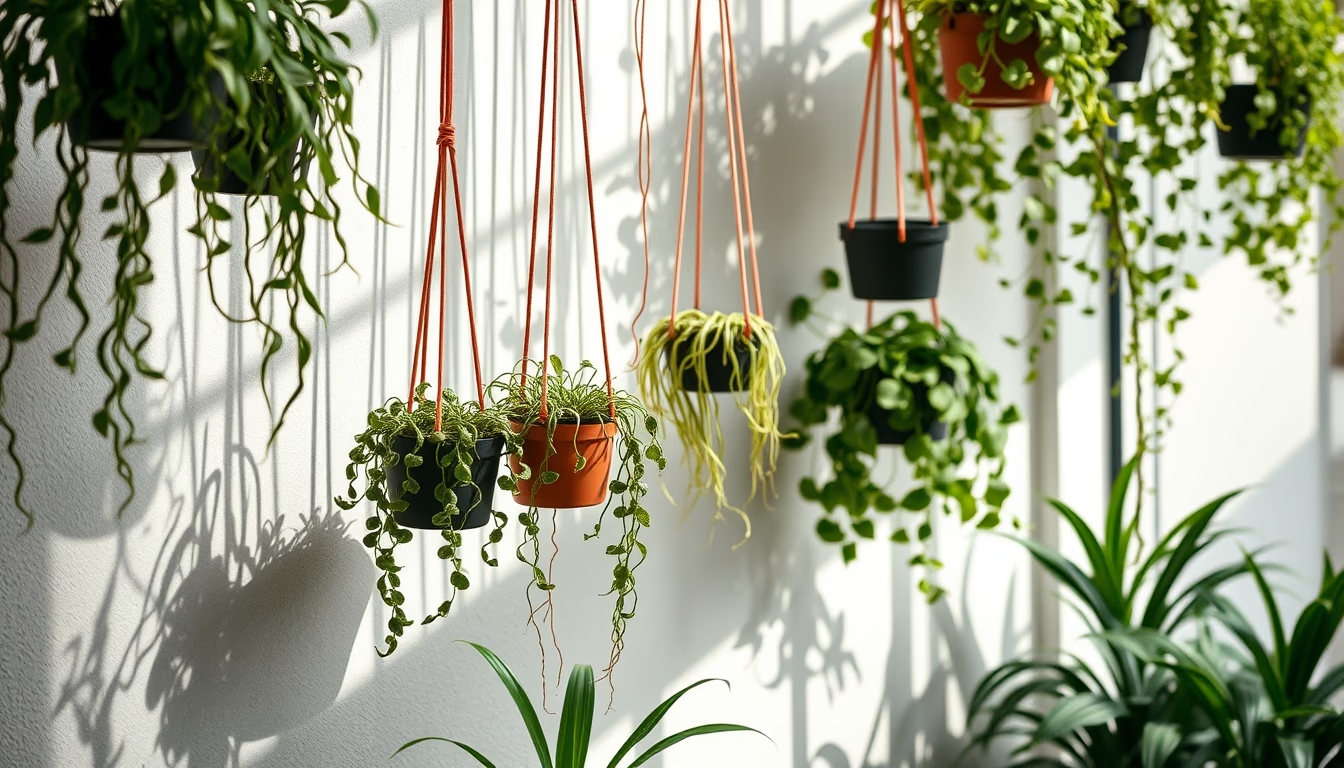
Hanging plants vertical garden
1344×768 · AVIF · CC BY 4.0
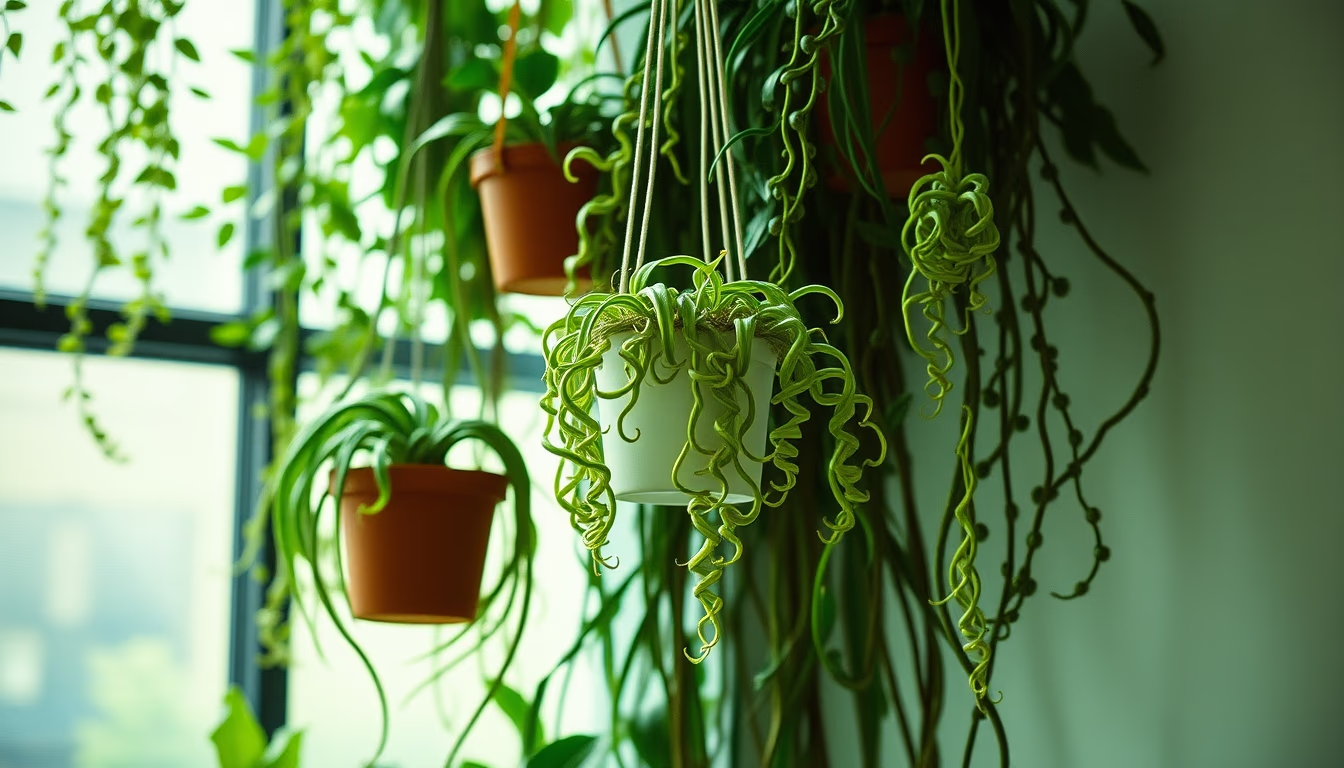
Vertical garden with hanging plants: an elegant and sustainable solution to optimize urban spaces, combining aesthetics and environmental benefits.
About this subject
Vertical gardens with hanging plants are a growing trend in urban horticulture, especially in Brazilian cities like São Paulo and Rio de Janeiro, where outdoor space is limited. This technique involves fixing vertical structures, such as trellises or modular panels, and cultivating species that grow downwards, such as pothos (Epipremnum aureum), Boston fern (Nephrolepis exaltata), and string of pearls (Senecio rowleyanus). Besides decorating indoor and outdoor walls, these gardens help improve air quality, reduce ambient temperature, and increase relative humidity.
The origin of modern vertical gardens is often attributed to French botanist Patrick Blanc, who popularized the concept in the 1980s. However, the practice of growing plants on walls dates back to ancient civilizations, such as the Hanging Gardens of Babylon and the green walls of the Aztecs. In Brazil, the use of hanging plants in vertical gardens adapts well to the tropical climate, allowing a wide variety of native species, such as the pendulous bromeliad (Billbergia nutans) and the pendulous orchid (Epidendrum radicans).
To create a successful vertical garden, it is essential to choose plants that adapt to the location's light conditions: shade-loving species like the trailing begonia (Begonia boliviensis) are ideal for interiors, while succulent hanging plants like the burro's tail (Sedum morganianum) prefer full sun. Irrigation can be manual or automated with drip systems, and maintenance includes regular pruning to control growth and prevent pests. A curiosity: some hanging plants, like Spanish moss (Tillandsia usneoides), do not need soil, absorbing nutrients from the air and rain, making them perfect for low-maintenance vertical gardens.
Frequently Asked Questions
What are the best hanging plants for a vertical garden in an apartment?
For apartments with low light, recommended plants include pothos, Boston fern, trailing peperomia, and heartleaf philodendron. These species tolerate shade and help purify the air.
How to install an irrigation system for a vertical garden?
The most common system is automated drip irrigation, with thin tubes delivering water directly to the roots. For small gardens, manual watering with a spray bottle or a slim-spout watering can works well.
What is the difference between a vertical garden and a green wall?
A vertical garden typically uses plants in pots or modules attached to a structure, while a green wall integrates plants directly into a substrate associated with the wall, often using hydroponic systems.
Direct URL
https://pub-c7d6a6ea828543ac903a74a341ccb2e1.r2.dev/imagens/hanging-plants-vertical-garden-lo-fi-disposable-camera-fresh4.avifHow to credit
Include a visible link back to UtilizAí. Copy one of the snippets below:
<a href="https://xn--utiliza-eza.com/en/midia/imagens/hanging-plants-vertical-garden-lo-fi-disposable-camera-fresh4">Hanging plants vertical garden</a> by <a href="https://xn--utiliza-eza.com">UtilizAí</a>, licensed under <a href="https://creativecommons.org/licenses/by/4.0/">CC BY 4.0</a>.
[Hanging plants vertical garden](https://xn--utiliza-eza.com/en/midia/imagens/hanging-plants-vertical-garden-lo-fi-disposable-camera-fresh4) by [UtilizAí](https://xn--utiliza-eza.com), CC BY 4.0
License: CC-BY-4.0