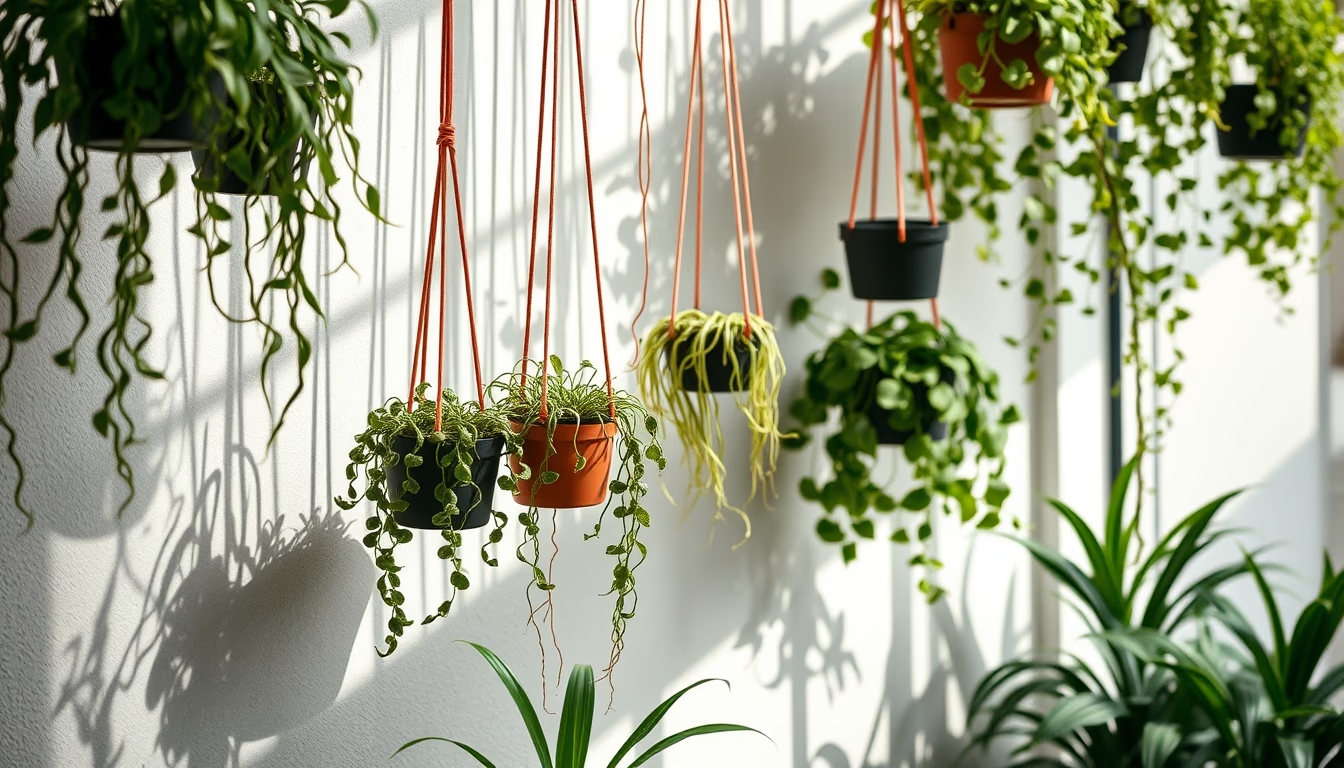
Hanging plants vertical garden
1344×768 · AVIF · CC BY 4.0
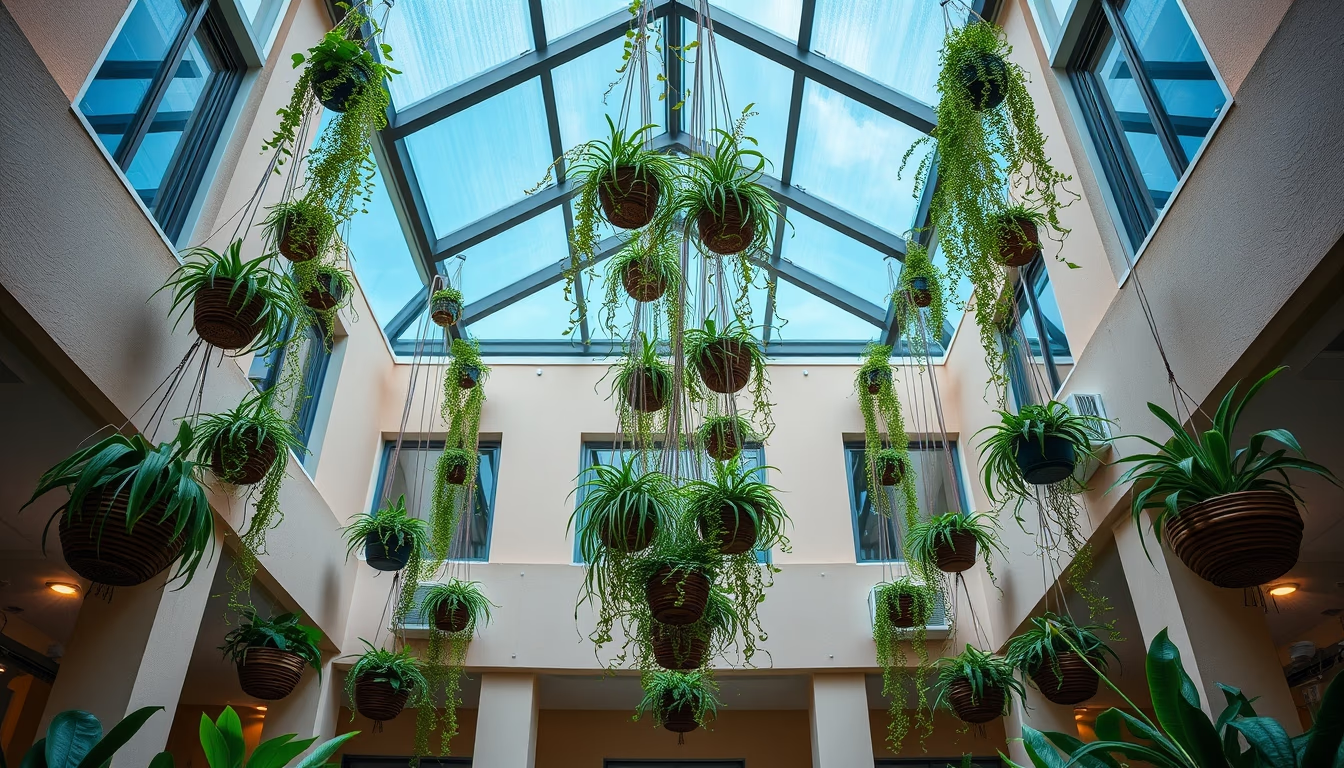
Vertical gardens with hanging plants turn walls into living ecosystems, blending aesthetics and functionality in urban settings.
About this subject
Hanging plants vertical gardens trace back to the legendary Hanging Gardens of Babylon, one of the Seven Wonders of the Ancient World. Today, this technique is reinterpreted in modern architectural projects to maximize greenery in compact spaces. Modular structures, embedded pots, and automated irrigation systems allow species such as ferns, pothos, philodendrons, and ivy to grow suspended, forming living panels that improve air quality and thermal comfort.
Studies show that a vertical garden can reduce ambient temperature by up to 4 degrees Celsius due to plant evapotranspiration. They also act as natural acoustic insulators, absorbing up to 40% of external noise. In tropical climates like Brazil, these installations are especially popular on balconies, leisure areas, and corporate building facades, promoting urban biodiversity.
Maintaining hanging vertical gardens requires specific care: frequent watering (automatic timer systems are recommended), regular pruning to prevent plants from blocking light, and monthly fertilization with liquid nutrients. Low-light species such as snake plants and peace lilies are ideal for indoor environments. Outdoors, bromeliads and succulents offer resilience to wind and intense sun.
From an architectural standpoint, vertical gardens add sustainability credentials such as LEED certification. In cities like São Paulo and Curitiba, residential and commercial projects incorporate these living walls to mitigate heat islands and increase permeable area. The organic aesthetic contrasts with concrete, creating a microclimate that attracts birds and pollinators, contributing to local ecological regeneration.
Frequently Asked Questions
Which plants are best for hanging vertical gardens?
Low-maintenance species like ferns, pothos, ivy, philodendrons, snake plants, and peace lilies are ideal. For sunny outdoor areas, bromeliads and succulents work well.
How do you water a vertical garden?
Drip irrigation systems with a timer are recommended, set to water once or twice daily. Check substrate moisture regularly and avoid waterlogging.
What is the temperature impact of a vertical garden?
Vertical gardens can reduce ambient temperature by up to 4°C through evapotranspiration, and also act as thermal insulators, lowering air conditioning energy use.
Direct URL
https://pub-c7d6a6ea828543ac903a74a341ccb2e1.r2.dev/imagens/hanging-plants-vertical-garden-architectural-photography-fresh2.avifHow to credit
Include a visible link back to UtilizAí. Copy one of the snippets below:
<a href="https://xn--utiliza-eza.com/en/midia/imagens/hanging-plants-vertical-garden-architectural-photography-fresh2">Hanging plants vertical garden</a> by <a href="https://xn--utiliza-eza.com">UtilizAí</a>, licensed under <a href="https://creativecommons.org/licenses/by/4.0/">CC BY 4.0</a>.
[Hanging plants vertical garden](https://xn--utiliza-eza.com/en/midia/imagens/hanging-plants-vertical-garden-architectural-photography-fresh2) by [UtilizAí](https://xn--utiliza-eza.com), CC BY 4.0
License: CC-BY-4.0