Hammock over crystal water
1344×768 · AVIF · CC BY 4.0
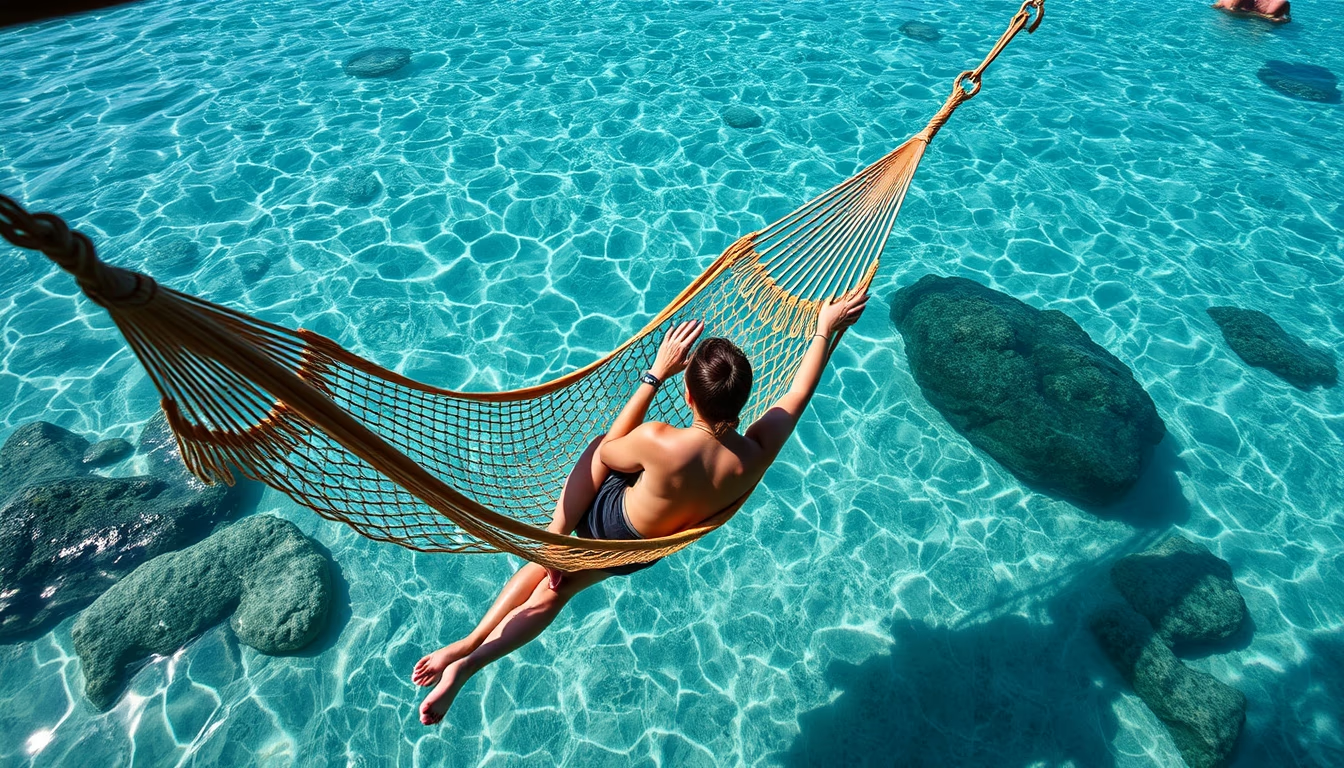
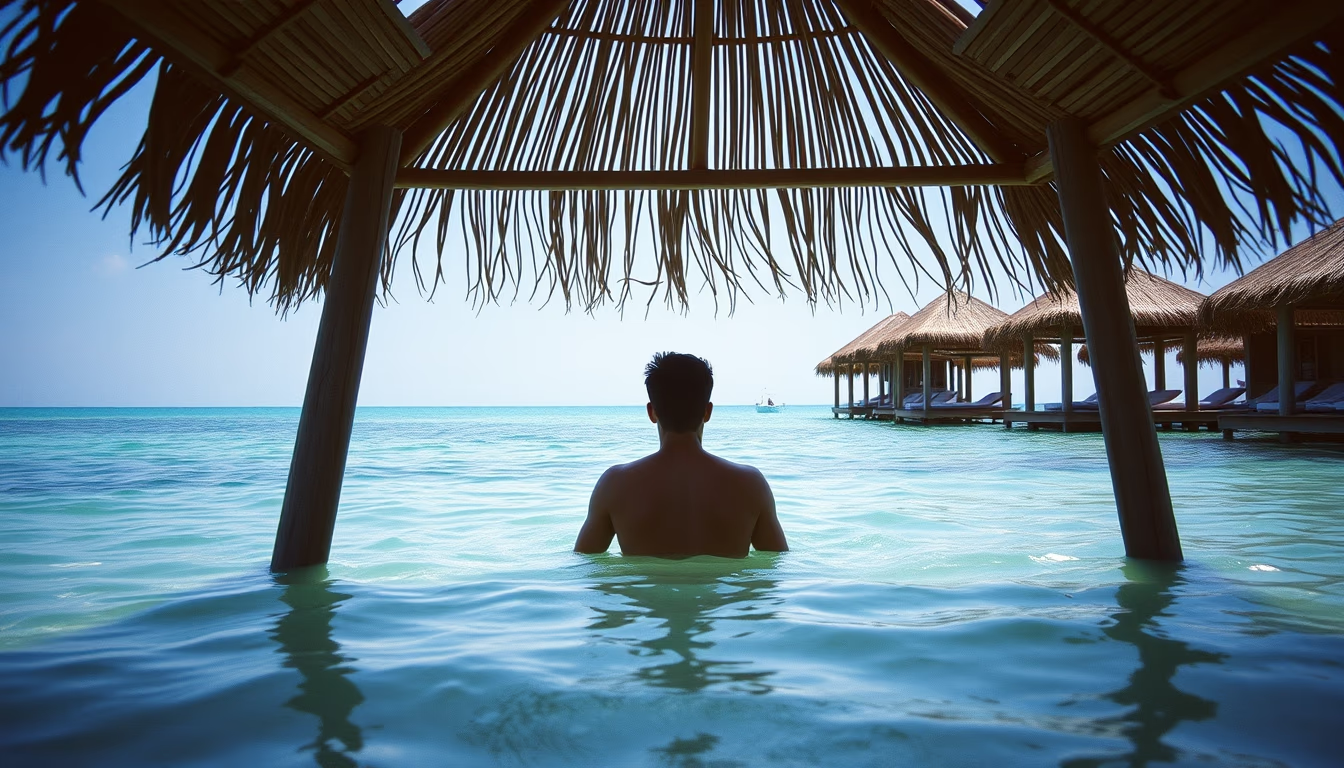
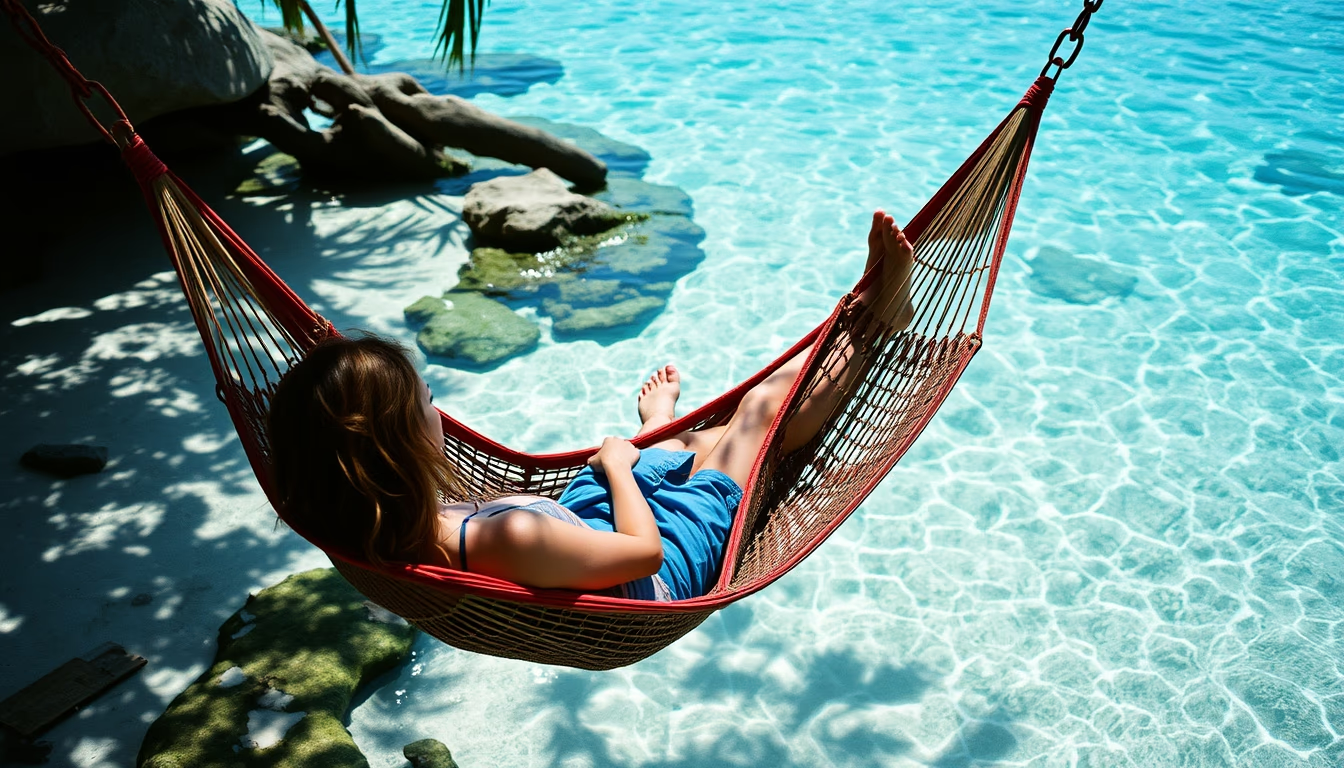
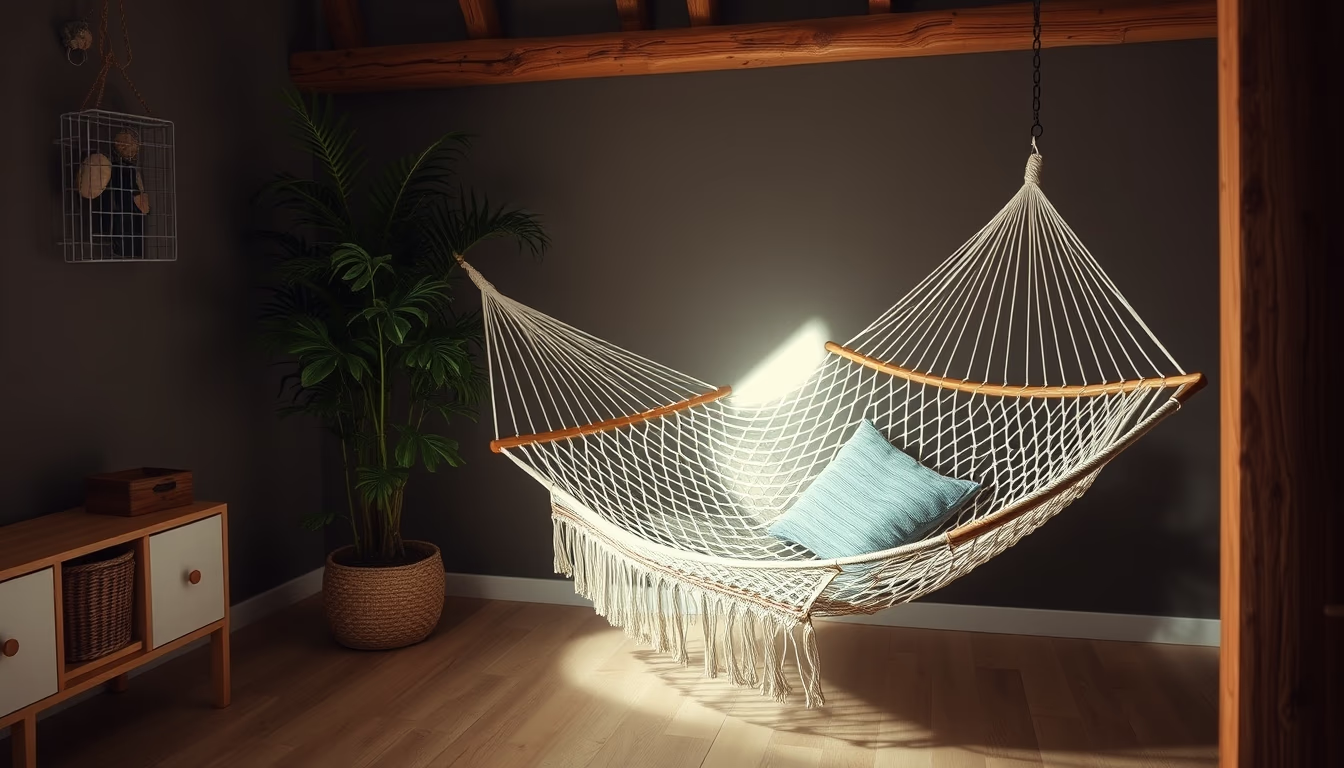
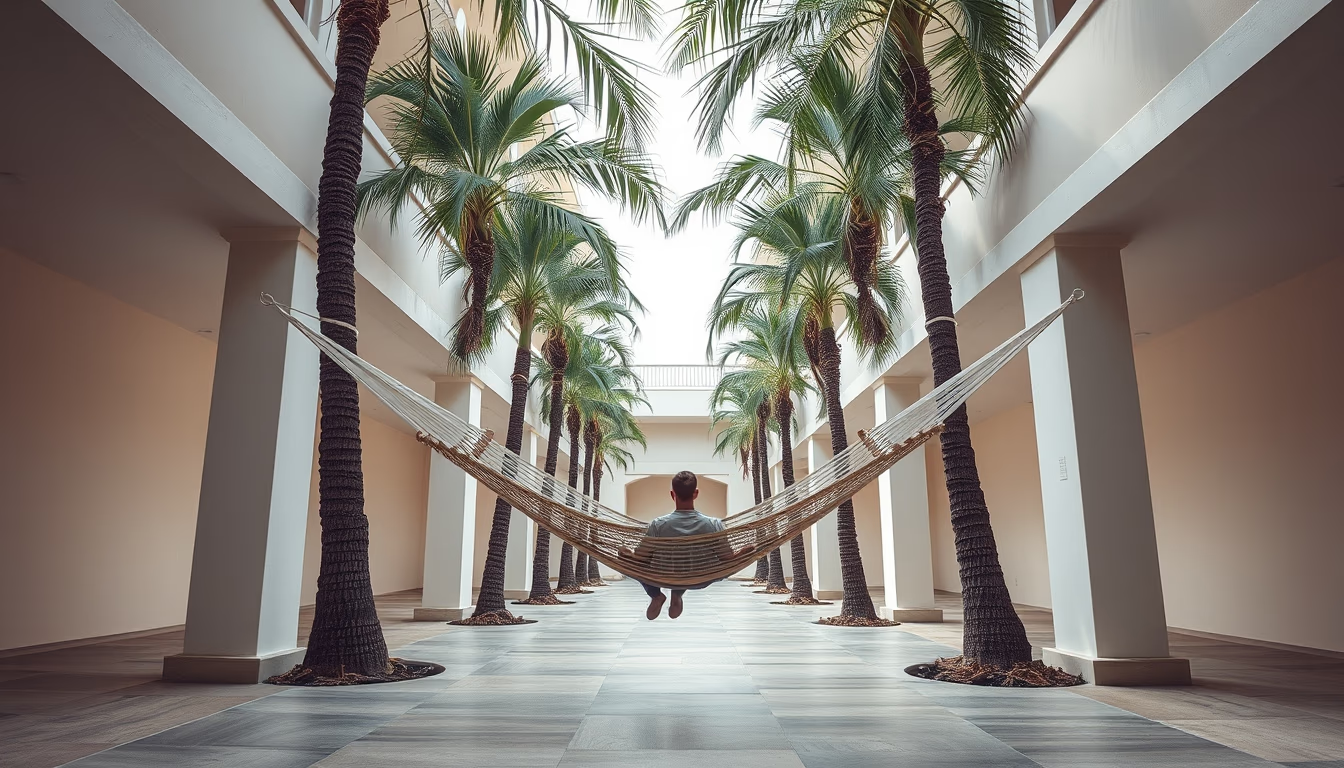
A hammock suspended over crystal-clear water invites relaxation in tropical settings. Discover its origins and the importance of preserving these environments.
About this subject
The practice of suspending hammocks over water bodies dates back to indigenous cultures of the Americas, especially the Taino and Arawak peoples of the Caribbean, who used woven cotton or natural fiber hammocks for sleeping and resting. In Brazil, the hammock is a deeply rooted cultural symbol, particularly in the Northeast region, where crystal-clear rivers and lagoons become perfect settings for leisure. Combining the hammock with transparent water not only provides thermal comfort in hot climates but also creates a visual that attracts tourists from around the world.
Crystal-clear waters, such as those found in destinations like Chapada Diamantina in Bahia or the River of Silver (Rio de Prata) also in Bahia, are sensitive ecosystems that harbor rich aquatic biodiversity. The water's transparency is usually the result of low sediment and nutrient levels, which favor the life of fish and submerged plants. Keeping these waters clean is essential for sustainable tourism and the health of local ecosystems. Practices such as using biodegradable sunscreens and avoiding chemical products nearby help preserve the crystalline quality of the water.
Modern hammocks for this activity are made from water-resistant materials like nylon or polyester, which dry quickly and support weight without deforming. Models with a tighter mesh weave prevent small objects from falling into the water. Many hammocks are specifically designed for water use, with ropes and carabiners that resist corrosion. Safety is important: one must check weight capacity, anchor points, and avoid sudden movements to prevent excessive swinging.
Beyond recreation, hanging a hammock over crystal-clear water represents a moment of connection with nature. Amid the sound of waves or the silence of lagoons, the experience offers proven mental health benefits, reducing stress and promoting relaxation. Destinations like Jericoacoara in Ceará or the beaches of Fernando de Noronha often feature images of hammocks over turquoise blue sea, becoming visual icons of Brazilian tourism.
Frequently Asked Questions
Are hammocks over water safe?
Yes, as long as the hammock is made of water-resistant and corrosion-resistant materials, and the anchor points are secure. Always check the weight limit and avoid sudden movements.
Where to find ideal crystal-clear waters for hammocks in Brazil?
Destinations like Chapada Diamantina (Bahia), Jalapão (Tocantins), Bonito (Mato Grosso do Sul), and northeastern beaches such as Jericoacoara and Fernando de Noronha have crystal-clear waters perfect for hanging hammocks.
What is the best material for water hammocks?
Nylon or polyester fabrics with a tight weave are best, as they dry quickly and resist moisture. Avoid cotton, which retains water and can mildew.
Direct URL
https://pub-c7d6a6ea828543ac903a74a341ccb2e1.r2.dev/imagens/hammock-over-crystal-water-documentary-photography-fresh6.avifHow to credit
Include a visible link back to UtilizAí. Copy one of the snippets below:
<a href="https://xn--utiliza-eza.com/en/midia/imagens/hammock-over-crystal-water-documentary-photography-fresh6">Hammock over crystal water</a> by <a href="https://xn--utiliza-eza.com">UtilizAí</a>, licensed under <a href="https://creativecommons.org/licenses/by/4.0/">CC BY 4.0</a>.
[Hammock over crystal water](https://xn--utiliza-eza.com/en/midia/imagens/hammock-over-crystal-water-documentary-photography-fresh6) by [UtilizAí](https://xn--utiliza-eza.com), CC BY 4.0
License: CC-BY-4.0