Hammock between palm trees
1344×768 · AVIF · CC BY 4.0
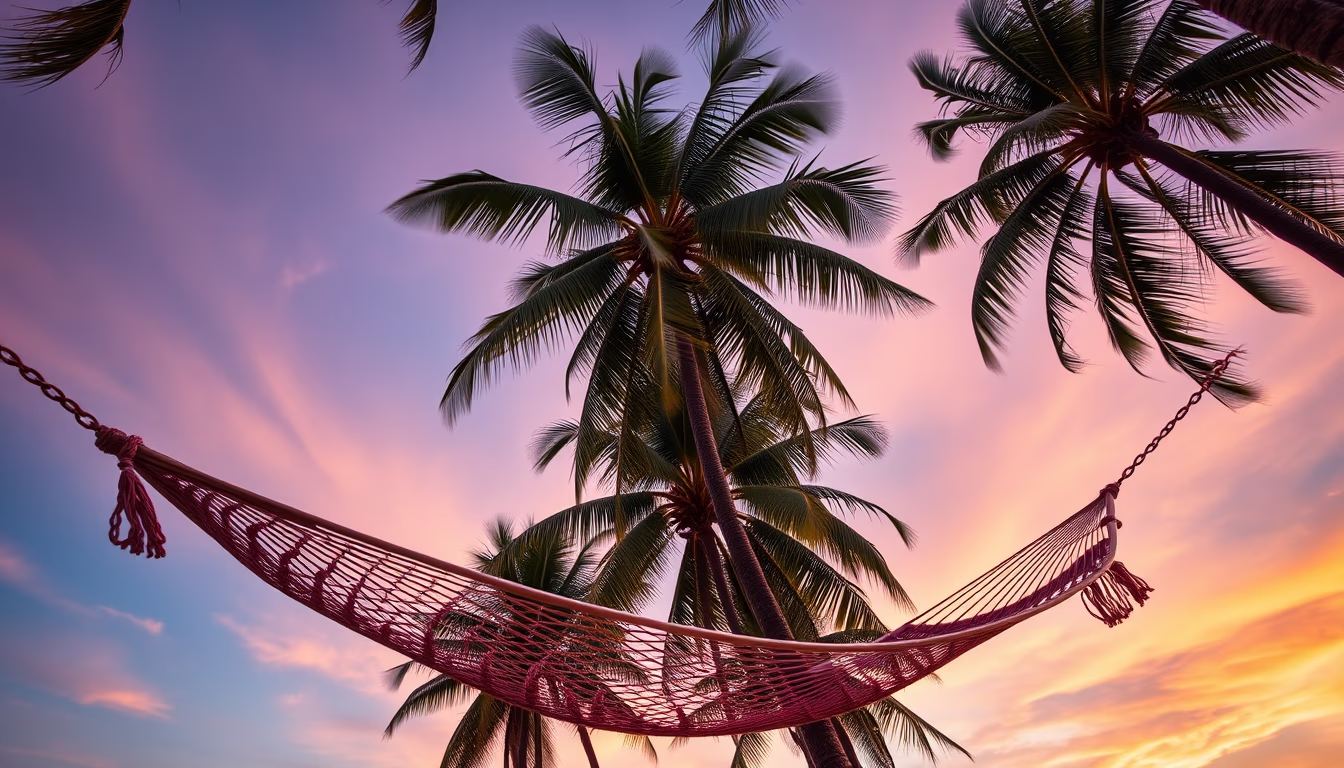
Typical Brazilian hammock stretched between palm trees by the sea, symbol of rest and leisure on tropical beaches.
About this subject
The hammock is a deeply rooted element in Brazilian culture, inherited from indigenous peoples who used it as a bed and chair long before the arrival of the Portuguese. Traditionally made from natural fibers like cotton or sisal, the hammock evolved into handloom versions and is now industrially produced with light, colorful fabrics. Its presence on tropical beaches, such as those in northeastern Brazil, is almost obligatory: stretched between two coconut palms, it invites rest and contemplation of the sea. The coconut palm, originally from Asia, adapted perfectly to the Brazilian coastline, where its leaves provide shade and its fruit, coconut water, refreshes beachgoers. The combination of hammock and coconut palm creates a leisure scene that evokes the calm pace of beach life, valued by both tourists and locals. Beyond comfort, hammocks have ergonomic benefits: their gentle rocking stimulates muscle relaxation and improves sleep quality, being recommended by physiotherapists. In regions like Porto de Galinhas or Jericoacoara, it is common to see colorful hammocks in kiosks and inns, composing the typical coastal landscape. The weaving technique varies by region; in Ceará, for example, lace hammocks are famous for their delicacy and durability. The act of stretching a hammock between palm trees is not only functional but also aesthetic: the palms, with their tall, curved trunks, serve as natural supports and frame the blue sky and sea. This image of tranquility is an invitation to disconnect from the fast-paced world, representing the best of the Brazilian tropical lifestyle.
Frequently Asked Questions
What is the origin of the hammock in Brazil?
The hammock was introduced in Brazil by indigenous peoples, who used it as a bed and seat. With Portuguese colonization, it became common throughout the country, especially in the Northeast, where it is an essential part of culture and leisure.
Why are palm trees common on Brazilian beaches?
Palm trees, especially coconut palms, were brought from Asia and adapted well to the tropical climate and sandy soil of the Brazilian coast. They are resistant to wind and salinity, and provide shade and fruit.
How is a hammock made?
Traditional hammocks are handwoven on a loom using cotton or synthetic fibers. The process involves interlacing threads into an open mesh with fringed ends, which are attached to ropes or hooks. Techniques vary by region and desired fabric type.
Direct URL
https://pub-c7d6a6ea828543ac903a74a341ccb2e1.r2.dev/imagens/hammock-between-palm-trees-long-exposure-fresh2.avifHow to credit
Include a visible link back to UtilizAí. Copy one of the snippets below:
<a href="https://xn--utiliza-eza.com/en/midia/imagens/hammock-between-palm-trees-long-exposure-fresh2">Hammock between palm trees</a> by <a href="https://xn--utiliza-eza.com">UtilizAí</a>, licensed under <a href="https://creativecommons.org/licenses/by/4.0/">CC BY 4.0</a>.
[Hammock between palm trees](https://xn--utiliza-eza.com/en/midia/imagens/hammock-between-palm-trees-long-exposure-fresh2) by [UtilizAí](https://xn--utiliza-eza.com), CC BY 4.0
License: CC-BY-4.0