Green wall building
1344×768 · AVIF · CC BY 4.0

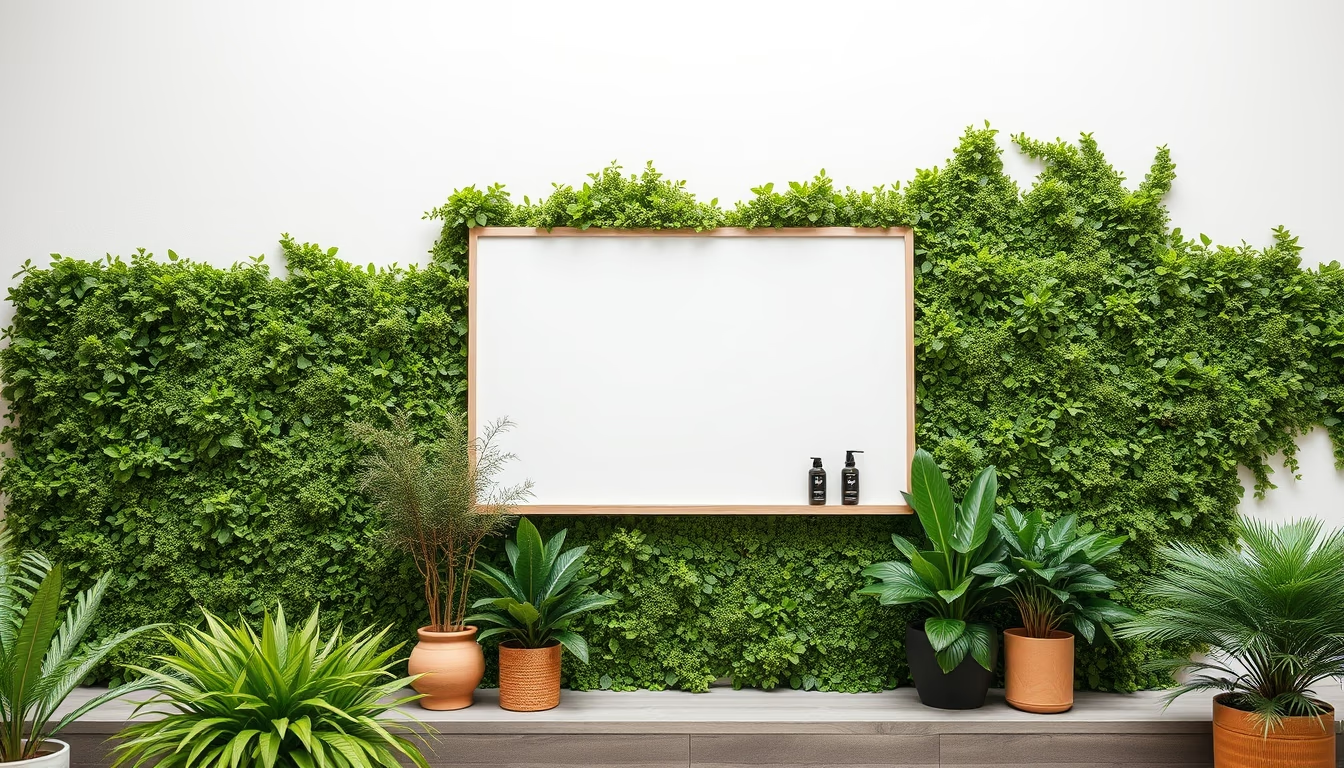
Green walls turn building facades into vertical ecosystems, improving urban microclimate and air quality in smart cities.
About this subject
Green walls, also known as vertical gardens, are structures that integrate vegetation onto building facades. They not only beautify urban spaces but also play a crucial role in smart city sustainability. By covering surfaces with plants, these systems help reduce ambient temperature through evapotranspiration, combating the urban heat island effect. Additionally, they function as natural pollutant filters, absorbing CO2 and releasing oxygen while retaining airborne particulate matter.
The technology behind green walls has evolved significantly. Modular systems with lightweight substrates and automated irrigation allow installation on various building types, from commercial to residential. Maintenance, though requiring regular care, can be optimized with humidity sensors and app-controlled fertilization, aligning with smart city concepts. Notable examples include the Bosco Verticale in Milan and the Santalaia building in Bogotá, which house thousands of plants on their facades.
Beyond environmental benefits, green walls offer economic and social advantages. They improve building thermal insulation, reducing energy costs for heating and cooling. Studies show that vegetation presence can increase property value and contribute to residents' psychological well-being, decreasing stress and fostering connection with nature. In smart city projects, green walls are integrated with sensors and IoT for real-time monitoring, creating a more resilient and intelligent urban ecosystem.
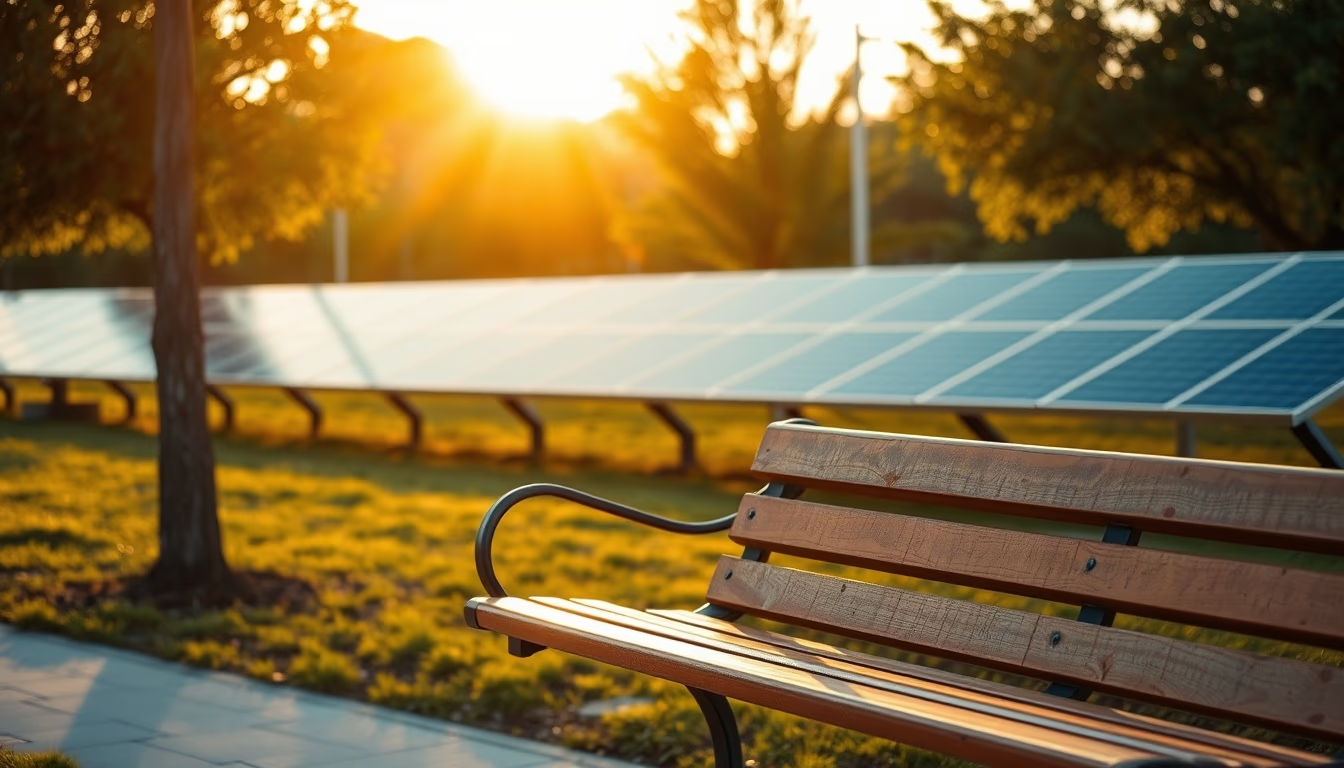
For the future, green walls are expected to become even more self-sufficient, with rainwater harvesting and solar-powered irrigation and lighting. By 2026, these structures are predicted to be standard in new sustainable developments, especially in tropical regions like Brazil, where biodiversity allows lush, low-maintenance compositions.
Frequently Asked Questions
How does a green wall work?
A green wall uses a system of modules or panels with substrate where plants are fixed. Irrigation is done by drip or sprinkler, usually automated, and drainage collects excess water for reuse.
What are the main benefits of a vertical garden?
Benefits include temperature reduction, improved air quality, thermal and acoustic insulation, increased urban biodiversity, and psychological well-being. In smart cities, they also contribute to sustainable resource management.
Is maintaining a green wall expensive?
Maintenance cost varies by size and technology. Automated systems reduce labor, and native plants adapted to local climate lower water and fertilizer expenses. Long-term energy savings can offset the initial investment.
Direct URL
https://pub-c7d6a6ea828543ac903a74a341ccb2e1.r2.dev/imagens/green-wall-building-minimalist-composition-p2.avifHow to credit
Include a visible link back to UtilizAí. Copy one of the snippets below:
<a href="https://xn--utiliza-eza.com/en/midia/imagens/green-wall-building-minimalist-composition-p2">Green wall building</a> by <a href="https://xn--utiliza-eza.com">UtilizAí</a>, licensed under <a href="https://creativecommons.org/licenses/by/4.0/">CC BY 4.0</a>.
[Green wall building](https://xn--utiliza-eza.com/en/midia/imagens/green-wall-building-minimalist-composition-p2) by [UtilizAí](https://xn--utiliza-eza.com), CC BY 4.0
License: CC-BY-4.0