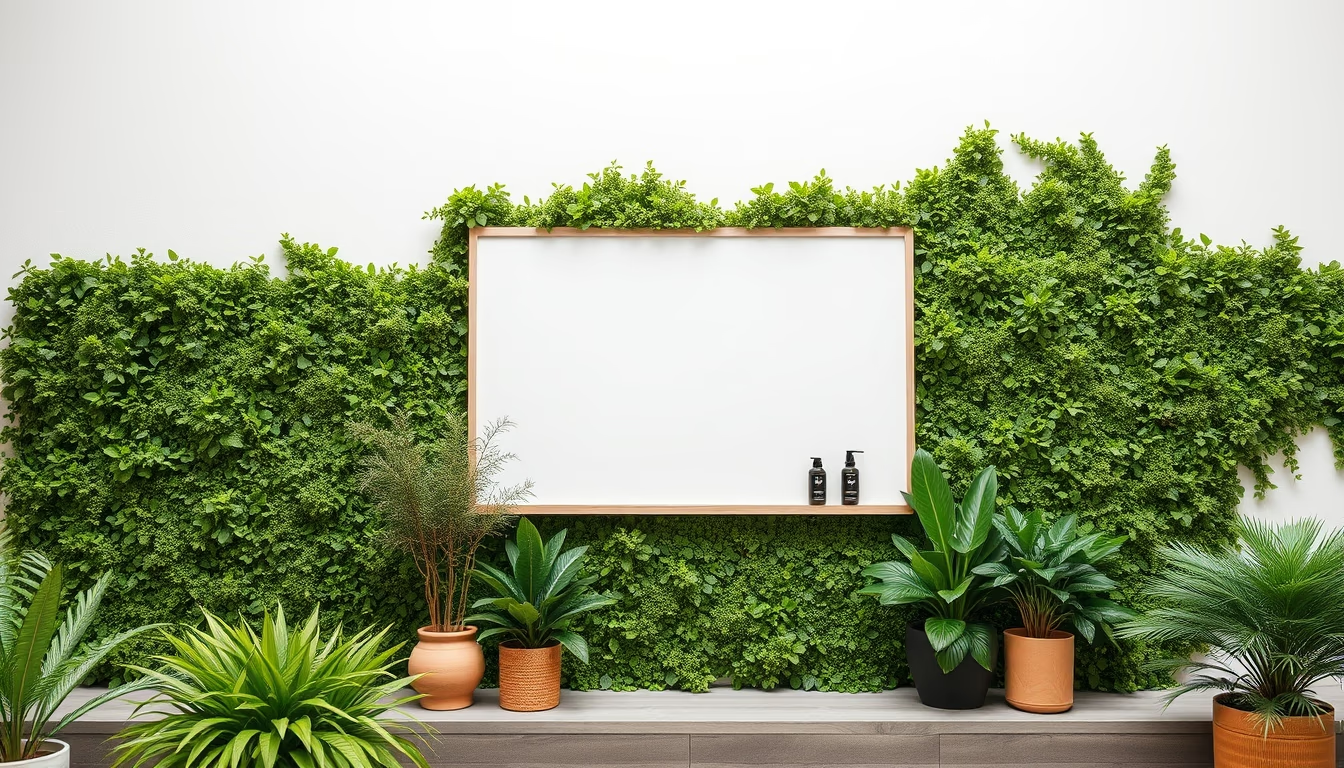
Green wall building
1344×768 · AVIF · CC BY 4.0
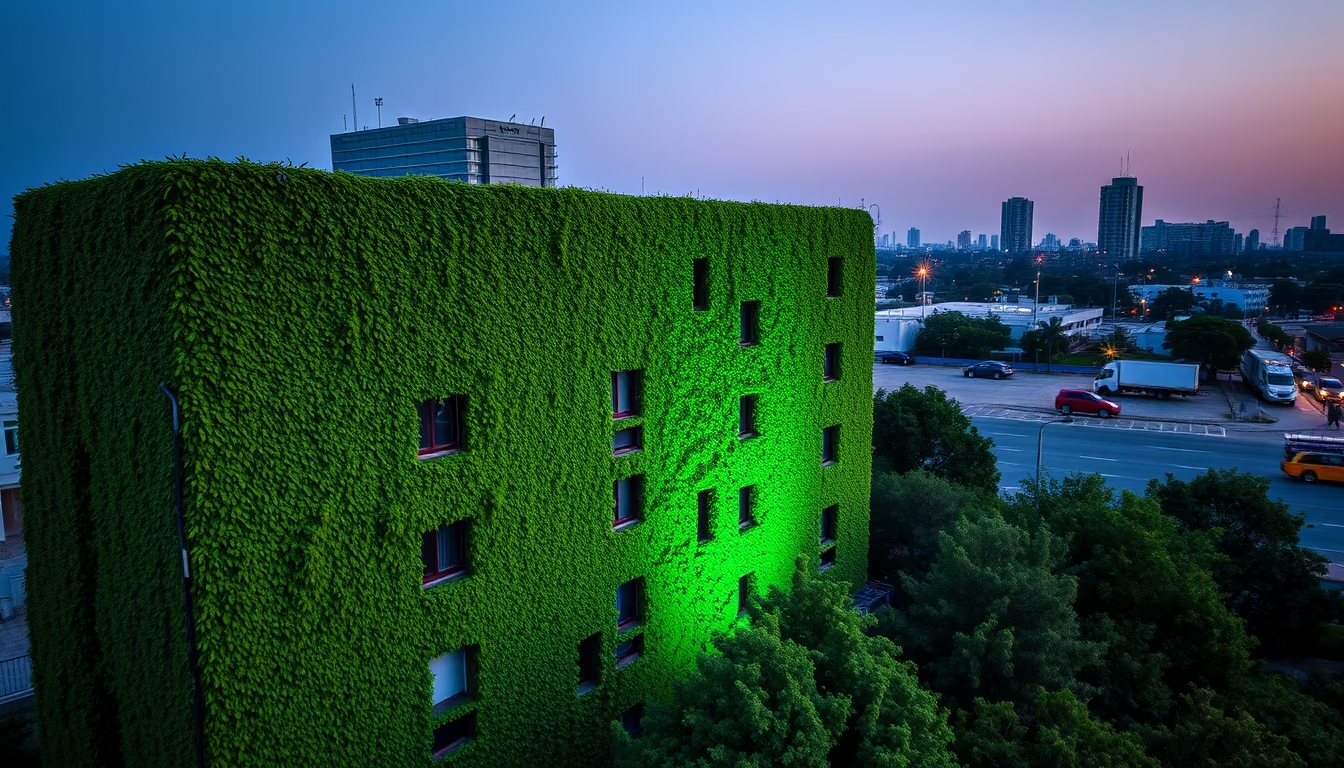
Buildings with green walls integrate vegetation into facades, improving urban microclimate and reducing energy consumption.
About this subject
Green walls, also known as vertical gardens, are construction systems that attach vegetation to building facades. They can be modular or continuous, with embedded substrate and irrigation. In smart cities, these systems play a crucial role in combating heat islands, as plant evapotranspiration cools the surrounding air. Additionally, they act as thermal insulators, reducing the need for air conditioning in summer and heating in winter.
Notable examples worldwide include the CaixaForum Madrid, with its vertical garden designed by Patrick Blanc, and the Bosco Verticale in Milan, which hosts trees and shrubs on balconies. In Sydney, One Central Park features green panels spanning the entire height. In Brazil, the Maná Building in São Paulo is one of the first to adopt the technology. These projects often use native species adapted to the local climate, such as philodendrons, ferns, and bromeliads.
Maintaining a green wall involves automated drip irrigation and drainage systems that recycle excess water. Moisture and nutrient sensors enable remote monitoring. Studies show a green wall can reduce facade temperature by up to 10°C. It also contributes to urban biodiversity, providing habitat for pollinating insects and birds. With the trend toward carbon-neutral buildings, adoption of green walls is expected to grow significantly by 2026, especially in LEED and WELL certified projects.
Frequently Asked Questions
How does a green wall irrigation work?
Irrigation is typically automated drip system, with sensors detecting moisture and releasing water as needed. Drainage systems collect excess and recycle it, avoiding waste.
Which plants are most used in vertical gardens?
Low maintenance species like philodendrons, ferns, ivy, and succulents are common. In tropical regions, bromeliads and orchids also appear. Choice depends on climate, sunlight exposure, and water availability.
Do green walls help reduce indoor temperature?
Yes, the vegetated layer acts as thermal insulation, blocking part of solar radiation and cooling air through evapotranspiration. Studies show up to 5°C reduction in indoor temperature of adjacent rooms.
Direct URL
https://pub-c7d6a6ea828543ac903a74a341ccb2e1.r2.dev/imagens/green-wall-building-aerial-drone-shot-p0.avifHow to credit
Include a visible link back to UtilizAí. Copy one of the snippets below:
<a href="https://xn--utiliza-eza.com/en/midia/imagens/green-wall-building-aerial-drone-shot-p0">Green wall building</a> by <a href="https://xn--utiliza-eza.com">UtilizAí</a>, licensed under <a href="https://creativecommons.org/licenses/by/4.0/">CC BY 4.0</a>.
[Green wall building](https://xn--utiliza-eza.com/en/midia/imagens/green-wall-building-aerial-drone-shot-p0) by [UtilizAí](https://xn--utiliza-eza.com), CC BY 4.0
License: CC-BY-4.0