Gong large bronze
1344×768 · AVIF · CC BY 4.0
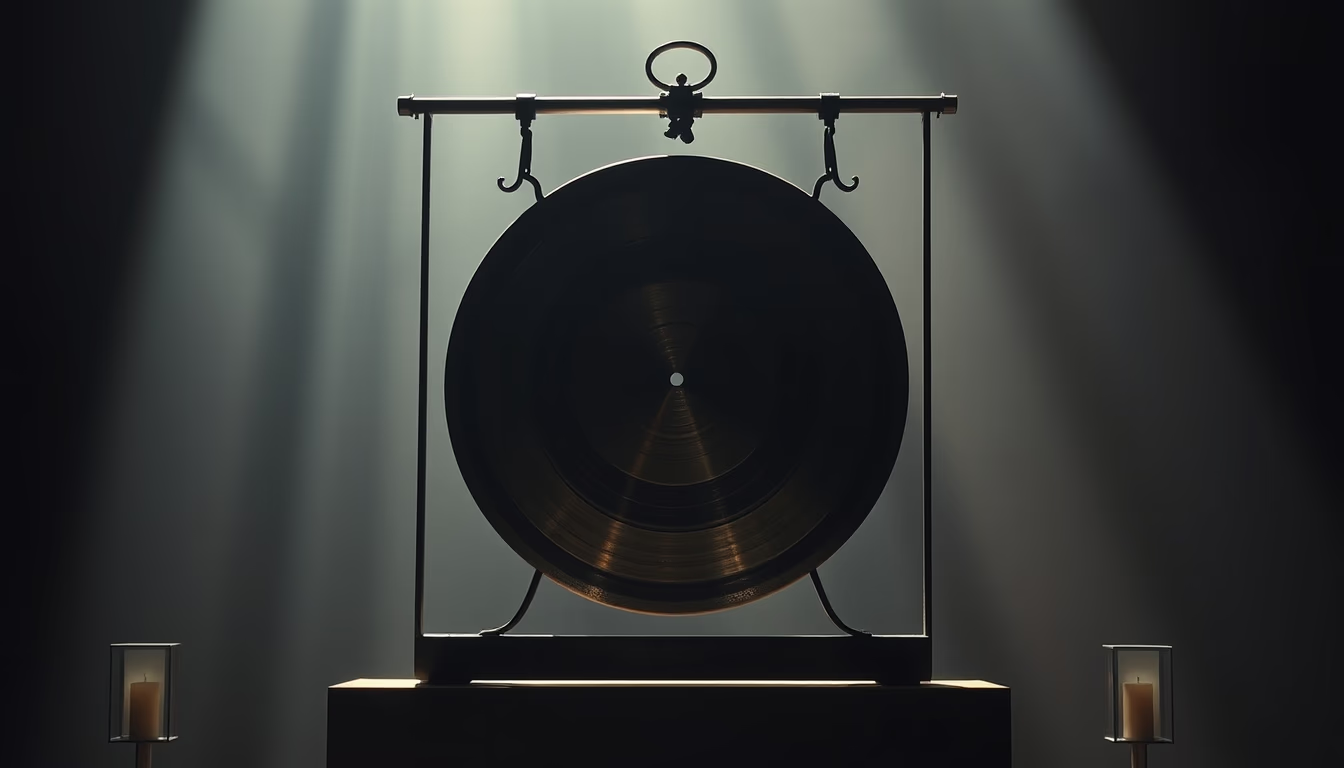
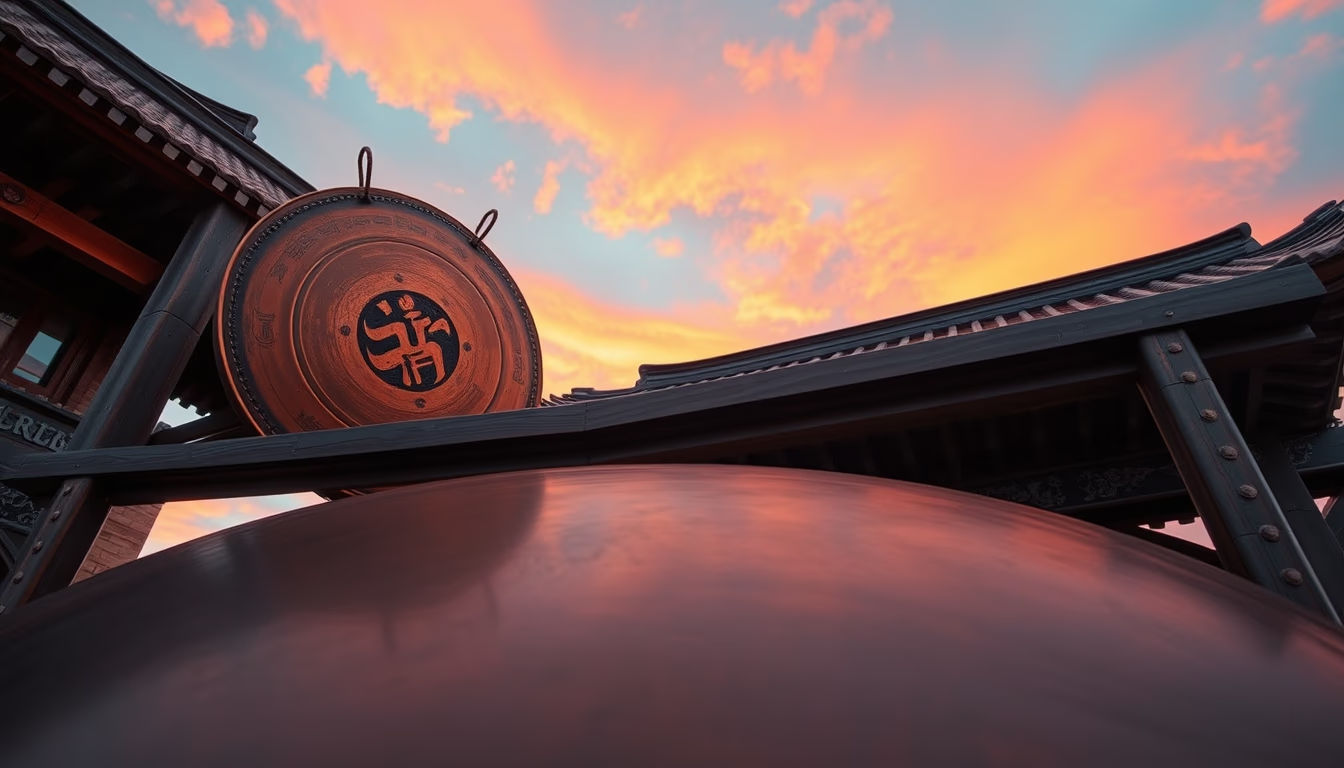
The large bronze gong is an ancient percussion instrument originating in Southeast Asia, used in orchestras, rituals, and ceremonies worldwide.
About this subject
The large bronze gong is a percussion instrument consisting of a flat metal disc, typically an alloy of copper and tin, with a turned rim. Its origins date back over two thousand years, with evidence in China, Myanmar, Java, and other Southeast Asian regions. Initially used for signaling, religious rituals, and as status symbols, gongs eventually became integral to musical traditions such as Indonesian gamelan, Chinese opera, and later Western symphony orchestras.
Crafting a bronze gong is a complex artisanal process. The alloy is heated and hammered repeatedly until the desired shape is achieved, then tuned through thermal cycles and precise hammering. Diameter and thickness determine pitch and resonance. Large gongs, over a meter wide, produce deep, rumbling bass tones that create an imposing atmosphere in live performances.
In the orchestra, the gong is usually suspended on a stand and struck with a felt or leather mallet. It is used for dramatic effects, such as climaxes or representing storms and rituals. The 'tam-tam' is the most common orchestral gong, unpitched, while the 'tuned gong' (with a central boss) is used in ensembles like gamelan. Beyond music, gongs are employed in meditation and sound therapy for their deep vibrations and calming properties.
Interestingly, the largest bronze gong ever recorded, the 'Ninh Binh Gong' in Vietnam, weighs over 3 tons. Culturally, the gong is a symbol of protection and good luck in many Asian traditions, often given as gifts on special occasions.
Frequently Asked Questions
How is a large bronze gong made?
The gong is crafted from a copper-tin alloy, heated and hammered into a disc. Tuning is achieved through precise hammering and thermal cycles. Large gongs can take weeks to complete.
What is the difference between a tam-tam and a tuned gong?
The tam-tam is an unpitched gong used for percussive effects in orchestras. A tuned gong has a central boss and produces a specific pitch, common in ensembles like the Indonesian gamelan.
Besides music, what are gongs used for?
Gongs are used in meditation and sound therapy for their deep vibrations that induce relaxation. They also serve ceremonial and signaling purposes in Asian cultures.
Direct URL
https://pub-c7d6a6ea828543ac903a74a341ccb2e1.r2.dev/imagens/gong-large-bronze-fine-art-photography-p2.avifHow to credit
Include a visible link back to UtilizAí. Copy one of the snippets below:
<a href="https://xn--utiliza-eza.com/en/midia/imagens/gong-large-bronze-fine-art-photography-p2">Gong large bronze</a> by <a href="https://xn--utiliza-eza.com">UtilizAí</a>, licensed under <a href="https://creativecommons.org/licenses/by/4.0/">CC BY 4.0</a>.
[Gong large bronze](https://xn--utiliza-eza.com/en/midia/imagens/gong-large-bronze-fine-art-photography-p2) by [UtilizAí](https://xn--utiliza-eza.com), CC BY 4.0
License: CC-BY-4.0