Fungi mycelium network
1344×768 · AVIF · CC BY 4.0
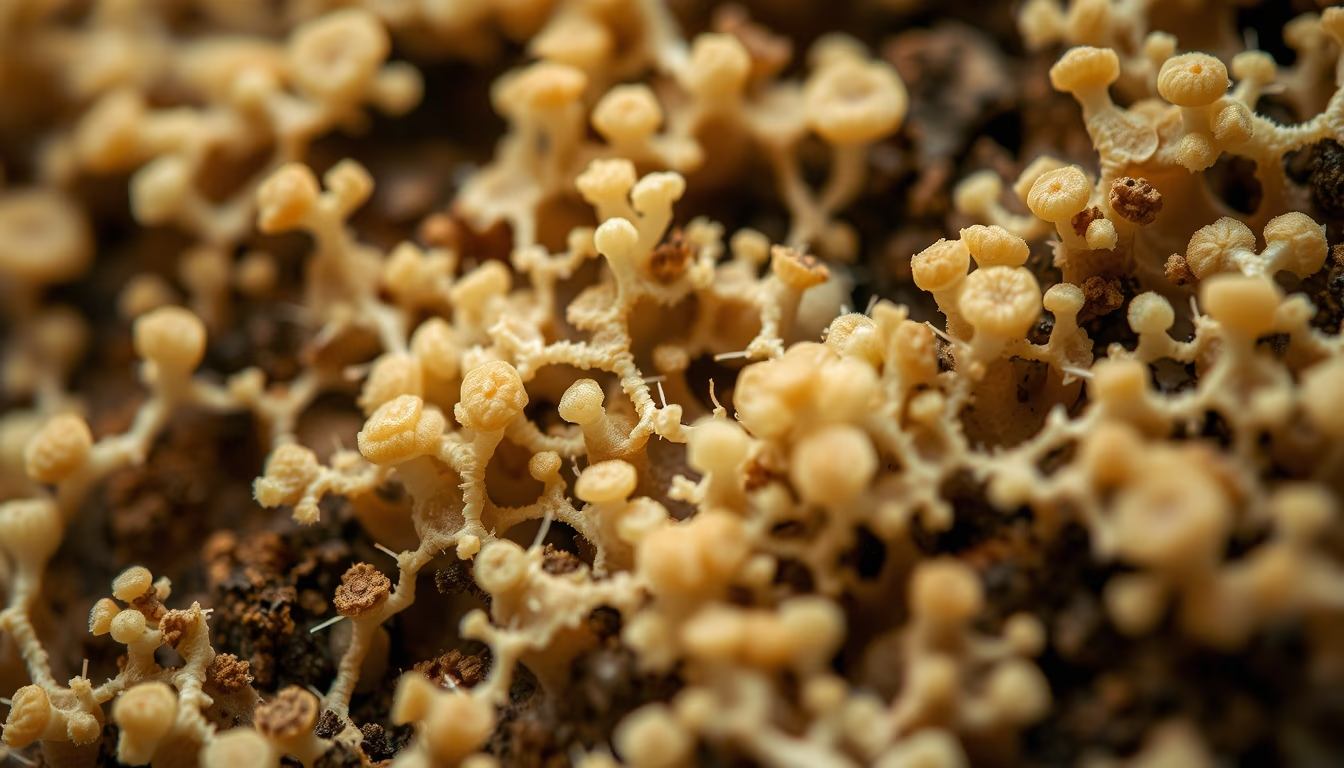
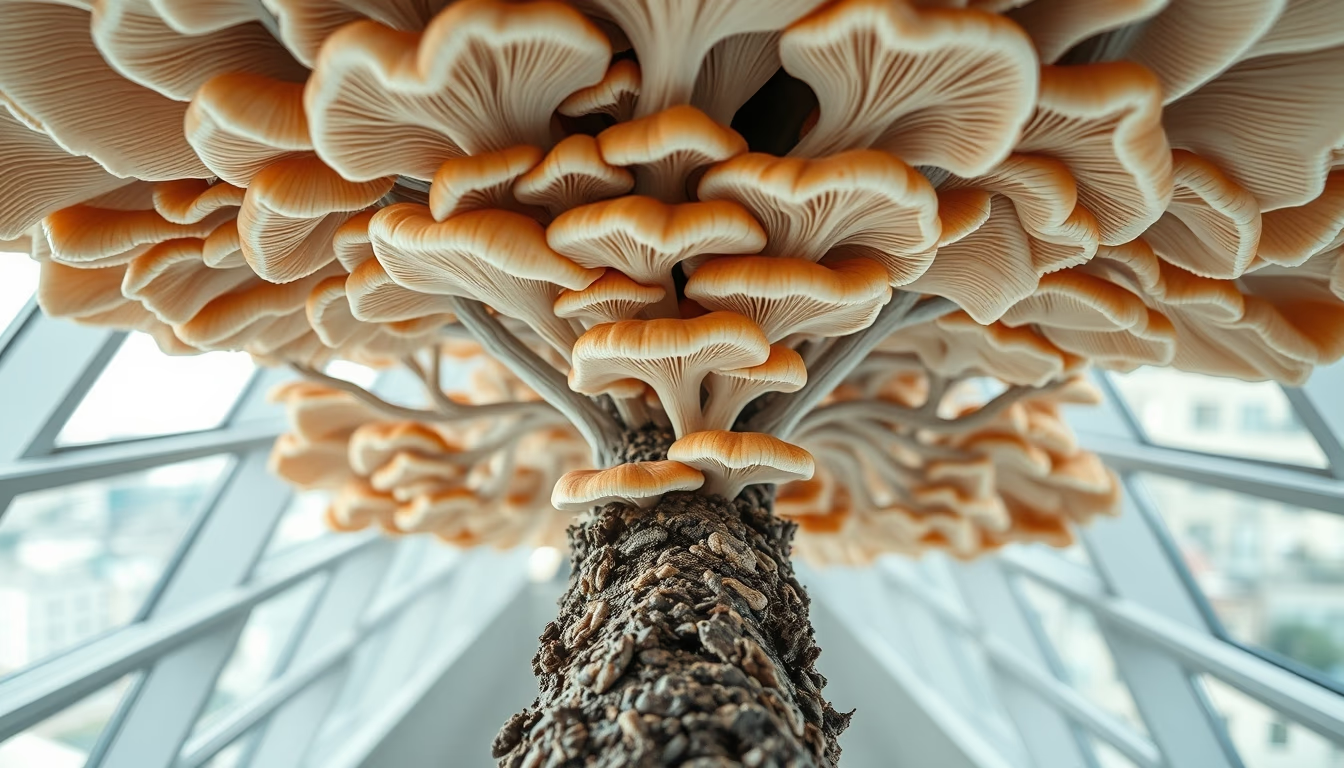
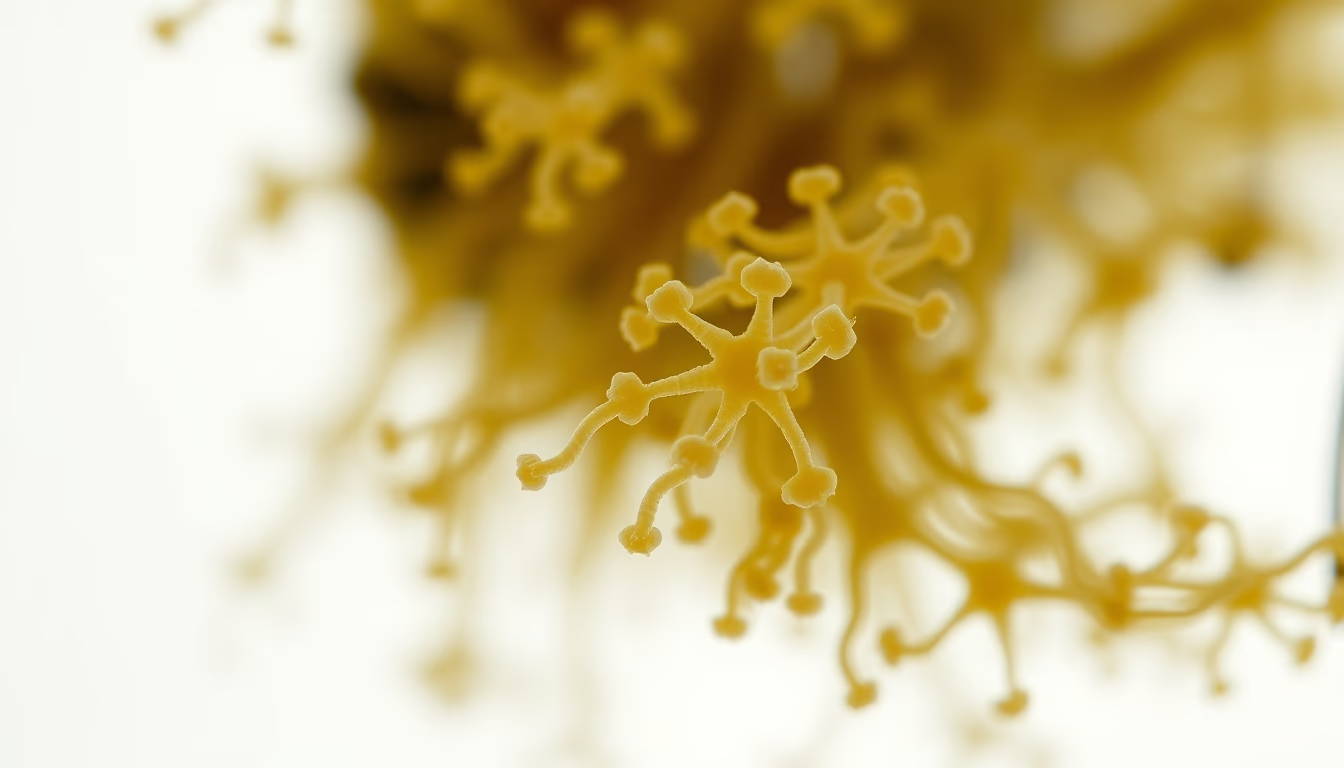
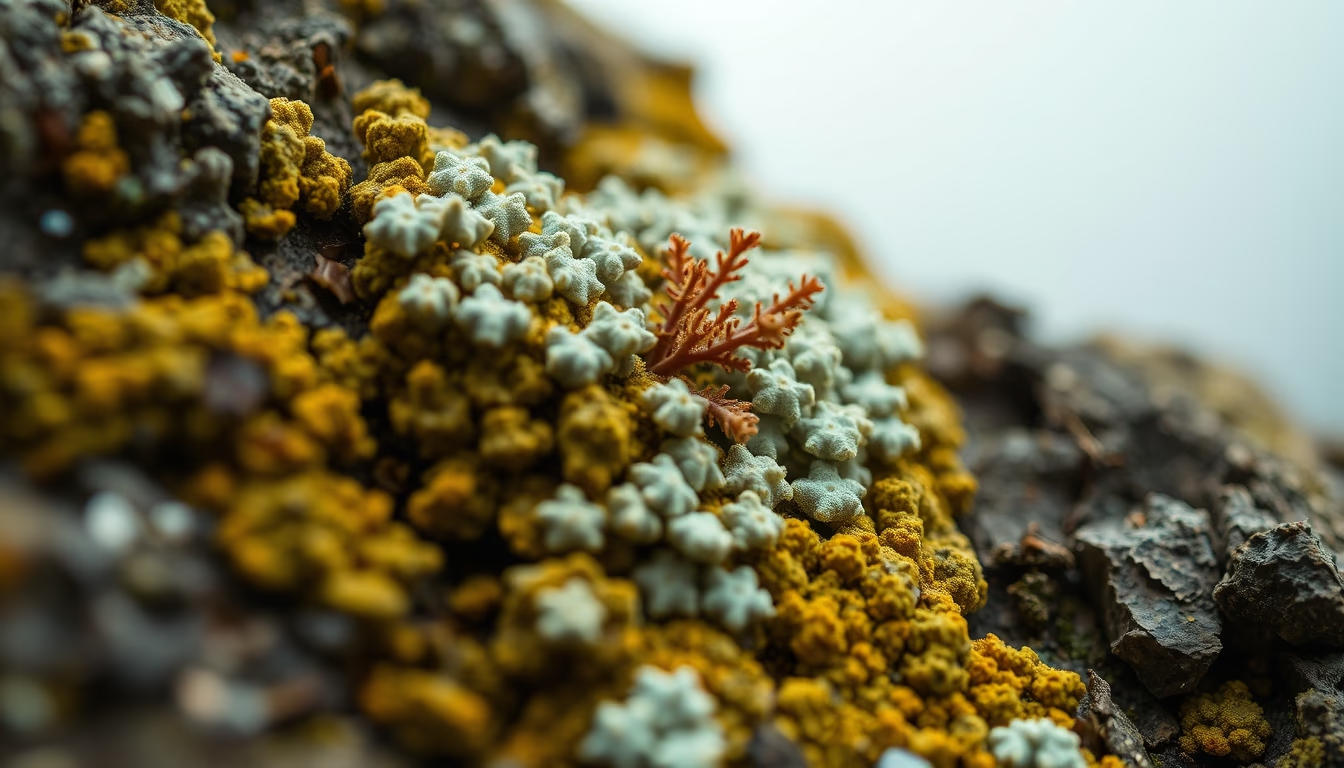
O micélio é a estrutura vegetativa dos fungos, composta por uma rede de filamentos chamados hifas, que desempenha papel crucial na decomposição e ciclagem de nutrientes no solo.
Sobre o tema
O micélio forma a base do crescimento dos fungos, sendo constituído por hifas que se ramificam e formam uma intrincada rede subterrânea. Essa estrutura pode ser microscópica ou se estender por grandes áreas, como no caso do famoso fungo Armillaria ostoyae, que cobre cerca de 9 km² em uma floresta nos EUA, sendo considerado o maior organismo vivo do mundo. O micélio cresce a partir de esporos ou fragmentos de hifas, colonizando substratos como madeira, folhas em decomposição e solo.
Ecologicamente, o micélio é fundamental para a decomposição de matéria orgânica, reciclando nutrientes como carbono e nitrogênio. Além disso, forma associações simbióticas com raízes de plantas, as micorrizas, que aumentam a absorção de água e minerais enquanto recebem açúcares das plantas. Estima-se que mais de 90% das plantas vasculares dependam dessas associações. Essa rede também permite a comunicação entre plantas, conhecida como "Wood Wide Web", onde sinais químicos e nutrientes são trocados via micélio.
Tecnologicamente, o micélio tem ganhado destaque como material sustentável. Empresas como a Ecovative Design produzem embalagens, isolantes e até couro a partir de micélio, que são biodegradáveis e cultivados com baixo custo energético. Na bioremediação, o micélio é usado para degradar poluentes como hidrocarbonetos e metais pesados, uma técnica chamada micorremediação. Além disso, estudos recentes exploram seu uso na construção civil, como tijolos de micélio, e na produção de alimentos, como proteínas alternativas.
Culturalmente, o micélio tem sido parte da alimentação humana através de cogumelos e fermentações, como na produção de queijos e bebidas alcoólicas. Na natureza, alguns fungos formam grandes redes que podem viver por séculos, influenciando a biodiversidade do solo. Apesar de sua importância, o micélio ainda é pouco conhecido pelo público em geral, sendo frequentemente confundido com raízes ou mofo. Com o avanço da biotecnologia, novas aplicações continuam a ser descobertas, destacando o potencial desse organismo fascinante.
Perguntas frequentes
O que é micélio?
Micélio é a parte vegetativa dos fungos, formada por uma rede de filamentos chamados hifas. Ele cresce no solo ou em matéria orgânica, absorvendo nutrientes e permitindo a reprodução do fungo.
Qual a importância do micélio para o solo?
O micélio decompõe matéria orgânica, reciclando nutrientes essenciais. Ele também forma micorrizas com plantas, aumentando a absorção de água e minerais, além de melhorar a estrutura do solo.
O micélio pode ser usado na indústria?
Sim, o micélio é usado para produzir embalagens biodegradáveis, substitutos do couro, isolantes térmicos e até tijolos. Também é aplicado na bioremediação para limpar solos contaminados.
URL direta
https://pub-c7d6a6ea828543ac903a74a341ccb2e1.r2.dev/imagens/fungi-mycelium-network-macro-closeup-fresh10.avifComo creditar
Inclua um link visível de volta pro UtilizAí. Copie um dos snippets abaixo:
<a href="https://xn--utiliza-eza.com/midia/imagens/fungi-mycelium-network-macro-closeup-fresh10">Fungi mycelium network</a> by <a href="https://xn--utiliza-eza.com">UtilizAí</a>, licensed under <a href="https://creativecommons.org/licenses/by/4.0/">CC BY 4.0</a>.
[Fungi mycelium network](https://xn--utiliza-eza.com/midia/imagens/fungi-mycelium-network-macro-closeup-fresh10) by [UtilizAí](https://xn--utiliza-eza.com), CC BY 4.0
Licença: CC-BY-4.0