Cyanobacteria filament
1344×768 · AVIF · CC BY 4.0
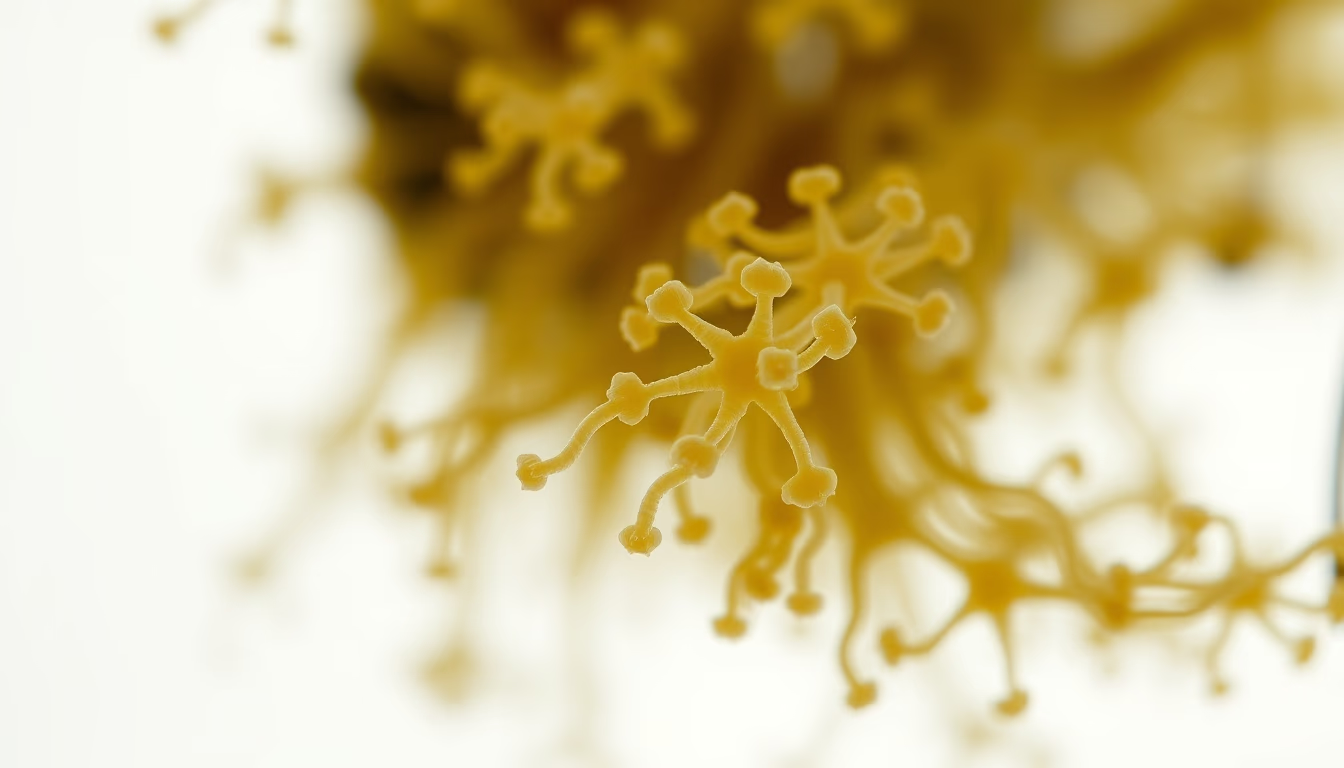
Filamentous cyanobacteria are photosynthetic microorganisms that form chains of cells, playing crucial roles in oxygen production and nitrogen fixation.
About this subject
Cyanobacteria are photosynthetic prokaryotes, often called blue-green algae although they are not true algae. They are among the oldest organisms on Earth, with fossil records dating back 3.5 billion years. Filamentous forms, such as those in the genera Anabaena and Oscillatoria, are common in aquatic and moist environments. These structures consist of cells arranged in linear chains, some specialized for nitrogen fixation (heterocysts) or reproduction (akinetes).
The importance of filamentous cyanobacteria for the planet's history is immense. They were responsible for the Great Oxidation Event around 2.4 billion years ago, which transformed Earth's atmosphere by releasing molecular oxygen. This event enabled the rise of aerobic organisms and the ozone layer. Additionally, many filamentous species live in symbiosis with plants, such as Anabaena associated with the aquatic fern Azolla, supplying nitrogen for growth.
Today, filamentous cyanobacteria are studied for their biotechnological potential. They produce toxins that can cause harmful algal blooms in eutrophic water bodies, threatening water supplies and public health. On the other hand, they are promising sources of biofuels, biodegradable plastics (such as PHA), and natural fertilizers. Their nitrogen-fixing ability is used in agriculture to reduce synthetic fertilizer use, especially in rice cultivation.
Interestingly, some filamentous cyanobacteria exhibit gliding motility, like Oscillatoria, which moves in response to light. They can also form macroscopic aggregates known as microbial mats, which are living fossils found in extreme environments like hot springs and salt flats. These mats are considered analogues of Earth's earliest ecosystems.
Frequently Asked Questions
What are filamentous cyanobacteria?
They are photosynthetic microorganisms that form chains of cells (filaments). They perform photosynthesis and some fix atmospheric nitrogen, playing key roles in biogeochemical cycles.
Why are filamentous cyanobacteria important in Earth's history?
They were responsible for the Great Oxidation Event, which enriched the atmosphere with oxygen billions of years ago, enabling the evolution of aerobic life.
Can filamentous cyanobacteria be harmful?
Yes, some produce toxins that cause harmful algal blooms in lakes and reservoirs, contaminating water and affecting human and animal health.
Direct URL
https://pub-c7d6a6ea828543ac903a74a341ccb2e1.r2.dev/imagens/cyanobacteria-filament-documentary-nature-style-fresh17.avifHow to credit
Include a visible link back to UtilizAí. Copy one of the snippets below:
<a href="https://xn--utiliza-eza.com/en/midia/imagens/cyanobacteria-filament-documentary-nature-style-fresh17">Cyanobacteria filament</a> by <a href="https://xn--utiliza-eza.com">UtilizAí</a>, licensed under <a href="https://creativecommons.org/licenses/by/4.0/">CC BY 4.0</a>.
[Cyanobacteria filament](https://xn--utiliza-eza.com/en/midia/imagens/cyanobacteria-filament-documentary-nature-style-fresh17) by [UtilizAí](https://xn--utiliza-eza.com), CC BY 4.0
License: CC-BY-4.0