Farmers market produce colorful
1344×768 · AVIF · CC BY 4.0
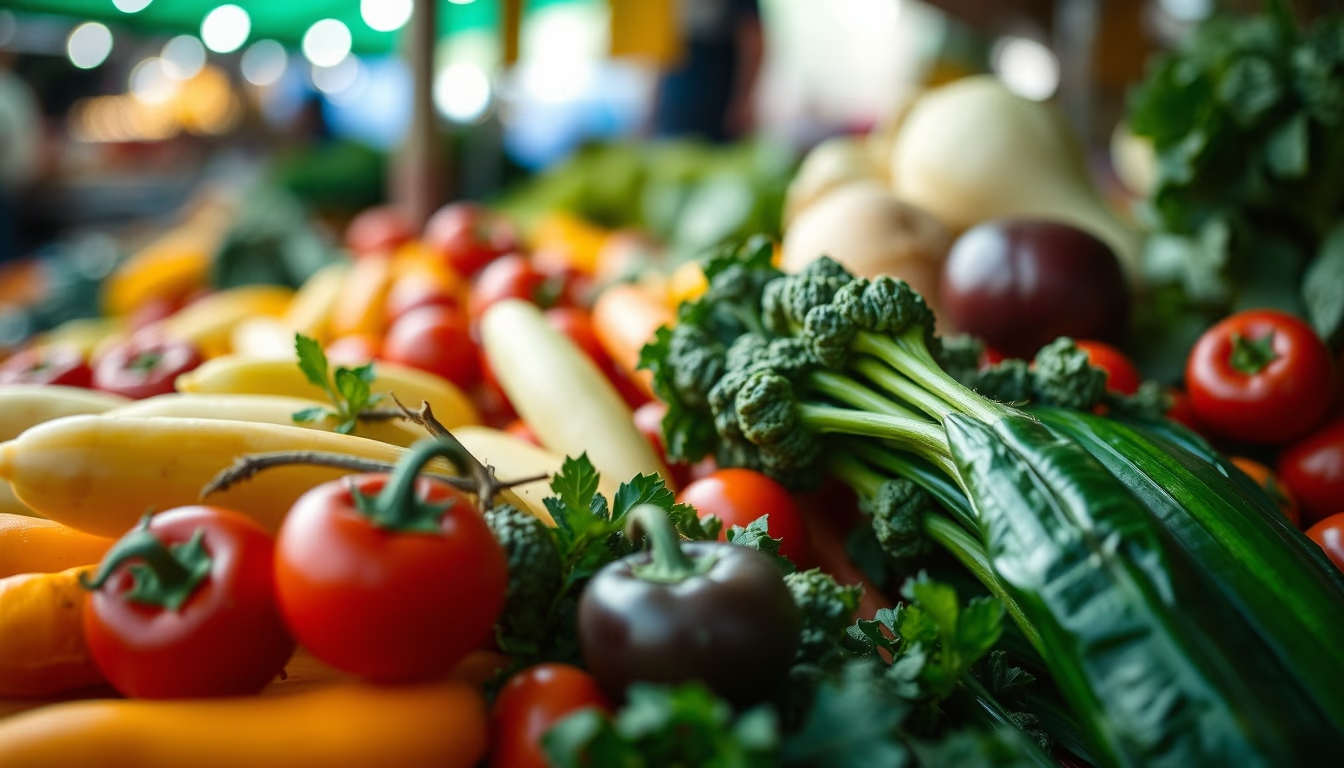
Brazilian farmers markets display a burst of colors with fresh fruits, vegetables, and greens, reflecting the country's agricultural diversity.
About this subject
Farmers markets are a deeply rooted tradition in Brazilian culture, present in virtually every city. They offer a wide variety of fresh products, often directly from small rural producers. Brazil's climatic diversity allows an enormous range of fruits, vegetables, and greens to be cultivated year-round, from the Amazon to the South. Typical items include mango, cashew fruit, jabuticaba, kale, pumpkin, and okra, along with regional herbs and spices.
The organization of stalls follows a visual logic that attracts consumers: producers arrange food to highlight its vibrant colors, creating a spectacle for the eyes. This presentation is not only aesthetic but also functional, helping to quickly identify the quality and freshness of products. Many markets take place on streets closed to traffic, turning into community meeting points where recipes and cooking tips are exchanged.
Beyond food sales, farmers markets are spaces for solidarity economy and cultural preservation. They strengthen family farming, reduce the distance between countryside and city, and offer more affordable prices compared to supermarkets. According to Embrapa, about 70% of food consumed in Brazil passes through markets or public fairs. This trade model also contributes to reducing waste, as products are harvested at the ideal ripeness.
The sensory experience of a Brazilian farmers market is unique: the aroma of ripe fruit, the haggling sounds, and direct contact with the producer create an environment that no supermarket can replicate. For many Brazilians, going to the market is a weekly ritual that goes beyond grocery shopping, representing a moment of leisure and connection to the origin of food.
Frequently Asked Questions
What are the most common fruits at Brazilian farmers markets?
Common fruits include banana, orange, apple, papaya, mango, pineapple, watermelon, and regional fruits like cashew fruit, jabuticaba, and cupuaçu.
What is the difference between a farmers market and a supermarket?
Farmers markets offer fresher products directly from the producer, usually at lower prices. They also provide personal contact with the seller and a unique cultural experience.
Do farmers markets accept credit cards?
Traditionally, markets operate with cash, but many vendors now accept debit/credit cards or contactless payment (Pix), especially in large cities.
Direct URL
https://pub-c7d6a6ea828543ac903a74a341ccb2e1.r2.dev/imagens/farmers-market-produce-colorful-macro-closeup.avifHow to credit
Include a visible link back to UtilizAí. Copy one of the snippets below:
<a href="https://xn--utiliza-eza.com/en/midia/imagens/farmers-market-produce-colorful-macro-closeup">Farmers market produce colorful</a> by <a href="https://xn--utiliza-eza.com">UtilizAí</a>, licensed under <a href="https://creativecommons.org/licenses/by/4.0/">CC BY 4.0</a>.
[Farmers market produce colorful](https://xn--utiliza-eza.com/en/midia/imagens/farmers-market-produce-colorful-macro-closeup) by [UtilizAí](https://xn--utiliza-eza.com), CC BY 4.0
License: CC-BY-4.0