Fairy chimneys cappadocia
1344×768 · AVIF · CC BY 4.0
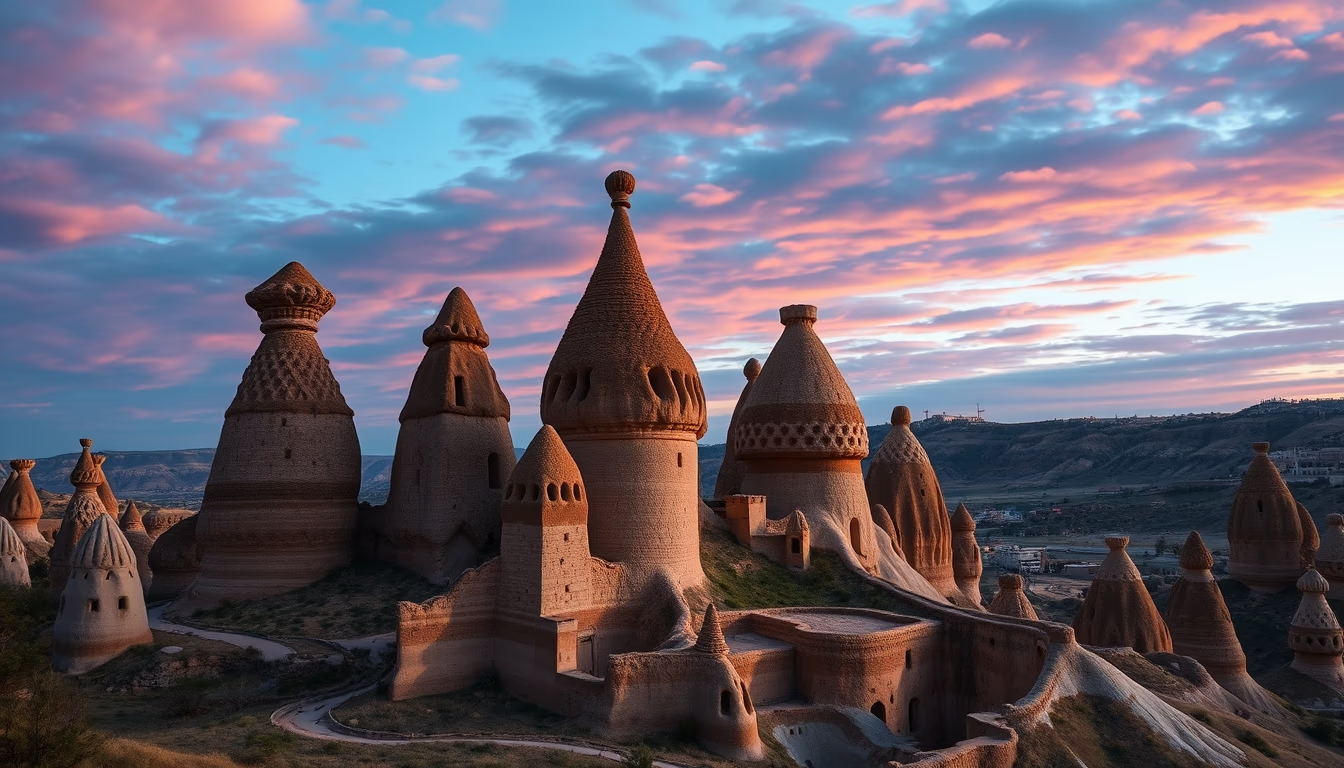
Fairy chimneys of Cappadocia are unique rock formations carved by volcanic erosion, housing human dwellings since ancient times.
About this subject
The fairy chimneys of Cappadocia are iconic geological formations located in central Turkey. They originated millions of years ago from volcanic eruptions that deposited layers of ash and lava, forming a soft rock called tuff. Over time, wind and water erosion sculpted these rocks into conical shapes and columns, often capped by harder basalt that protects the base. The result is structures resembling chimneys or giant mushrooms, hence the name.
Beyond their natural beauty, fairy chimneys hold great historical and cultural significance. Since Roman times, locals carved interiors into dwellings, churches, and monasteries. During the 4th and 5th centuries, Christians fleeing persecution used the region as a refuge, developing an underground network of cities and rock-cut chapels adorned with Byzantine frescoes. Cappadocia was declared a UNESCO World Heritage site in 1985, recognizing this subterranean architectural heritage.
Today, the moonscape landscape attracts millions of visitors annually. The formations are concentrated in valleys such as Göreme, Pasabag, and Devrent, where hot air balloon rides at sunrise offer stunning views. The region's semi-arid climate helps preserve these structures, but natural erosion and intense tourism require conservation efforts. Intriguingly, some fairy chimneys are still used as cave hotels, providing a unique lodging experience.
Frequently Asked Questions
How were the fairy chimneys of Cappadocia formed?
They formed from volcanic eruptions millions of years ago that deposited layers of volcanic tuff. Differential erosion by wind and water sculpted the soft rock into conical shapes, while harder basalt caps protected the bases, creating the characteristic forms.
What is the historical significance of the fairy chimneys?
The fairy chimneys were carved by ancient peoples for use as dwellings, churches, and monasteries. During the Byzantine period, Christians used them as refuges and developed underground cities. The region has been a UNESCO World Heritage site since 1985.
Where exactly are the fairy chimneys located in Cappadocia?
They are concentrated in the valleys of Göreme, Pasabag (Monks Valley), Devrent (Imagination Valley), and Uchisar, in central-eastern Turkey. The nearest city is Nevşehir, and the closest airport is in Kayseri.
Direct URL
https://pub-c7d6a6ea828543ac903a74a341ccb2e1.r2.dev/imagens/fairy-chimneys-cappadocia-long-exposure-p8.avifHow to credit
Include a visible link back to UtilizAí. Copy one of the snippets below:
<a href="https://xn--utiliza-eza.com/en/midia/imagens/fairy-chimneys-cappadocia-long-exposure-p8">Fairy chimneys cappadocia</a> by <a href="https://xn--utiliza-eza.com">UtilizAí</a>, licensed under <a href="https://creativecommons.org/licenses/by/4.0/">CC BY 4.0</a>.
[Fairy chimneys cappadocia](https://xn--utiliza-eza.com/en/midia/imagens/fairy-chimneys-cappadocia-long-exposure-p8) by [UtilizAí](https://xn--utiliza-eza.com), CC BY 4.0
License: CC-BY-4.0