Fairy chimneys cappadocia
1344×768 · AVIF · CC BY 4.0
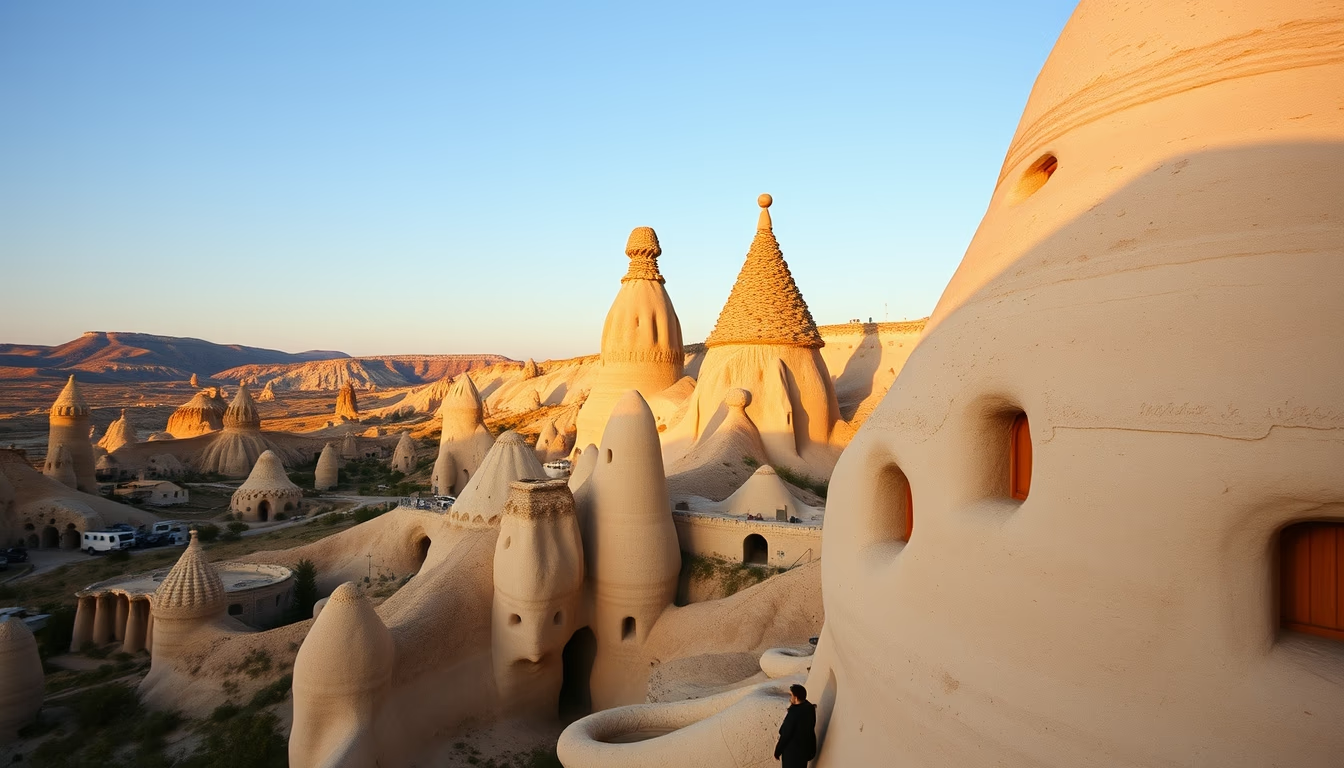
The fairy chimneys of Cappadocia are unique rock formations sculpted by volcanic erosion over millions of years in central Turkey.
About this subject
The fairy chimneys are remarkable geological formations located in the Cappadocia region of central Turkey. They were created from layers of volcanic ash deposited by ancient eruptions, which solidified into soft tuff. Over millions of years, wind and water erosion sculpted these cone-shaped pinnacles, with a harder basalt cap on top protecting the softer base. The result is chimney-like or mushroom-shaped structures, some reaching up to 40 meters high.
Historically, fairy chimneys are not just natural curiosities. Since Roman times, inhabitants have carved homes, churches, and monasteries inside these soft rocks. The Göreme complex, near the most famous formations, is a UNESCO World Heritage Site and houses 10th-century Byzantine churches with well-preserved frescoes. The caves provided thermal insulation and protection from invaders. During the Cold War, some were used as air-raid shelters.
Culturally, Cappadocia is a renowned tourist destination, attracting millions of visitors annually. Hot air balloon rides at dawn over the fairy chimneys are an iconic activity, offering a spectacular aerial view. The region is also known for its underground cities, such as Derinkuyu, which extend up to 8 stories below ground and were used by early Christians to escape persecution.
Geologically, the formation of fairy chimneys is a classic example of differential erosion. The tuff layers are easily weathered, while the volcanic basalt resists longer. This process continues today, with new chimneys forming and others collapsing over time. Scientific studies monitor these changes to better understand erosion cycles in semi-arid environments.
Frequently Asked Questions
What are the fairy chimneys of Cappadocia?
They are natural rock formations shaped like cones or mushrooms, formed by erosion of volcanic tuff layers capped with harder basalt. They are concentrated in the Cappadocia region of central Turkey.
Can the fairy chimneys be visited inside?
Yes, many have been carved into homes, churches, and monasteries. Göreme National Park has several open to the public, featuring Byzantine frescoes and cave paintings.
What is the best time to visit Cappadocia to see the fairy chimneys?
Spring (April to June) and autumn (September to November) offer mild weather and fewer crowds. Hot air balloon rides are also more common during these seasons with clear skies.
Direct URL
https://pub-c7d6a6ea828543ac903a74a341ccb2e1.r2.dev/imagens/fairy-chimneys-cappadocia-lo-fi-disposable-camera-p6.avifHow to credit
Include a visible link back to UtilizAí. Copy one of the snippets below:
<a href="https://xn--utiliza-eza.com/en/midia/imagens/fairy-chimneys-cappadocia-lo-fi-disposable-camera-p6">Fairy chimneys cappadocia</a> by <a href="https://xn--utiliza-eza.com">UtilizAí</a>, licensed under <a href="https://creativecommons.org/licenses/by/4.0/">CC BY 4.0</a>.
[Fairy chimneys cappadocia](https://xn--utiliza-eza.com/en/midia/imagens/fairy-chimneys-cappadocia-lo-fi-disposable-camera-p6) by [UtilizAí](https://xn--utiliza-eza.com), CC BY 4.0
License: CC-BY-4.0