Fabric texture linen
1344×768 · AVIF · CC BY 4.0
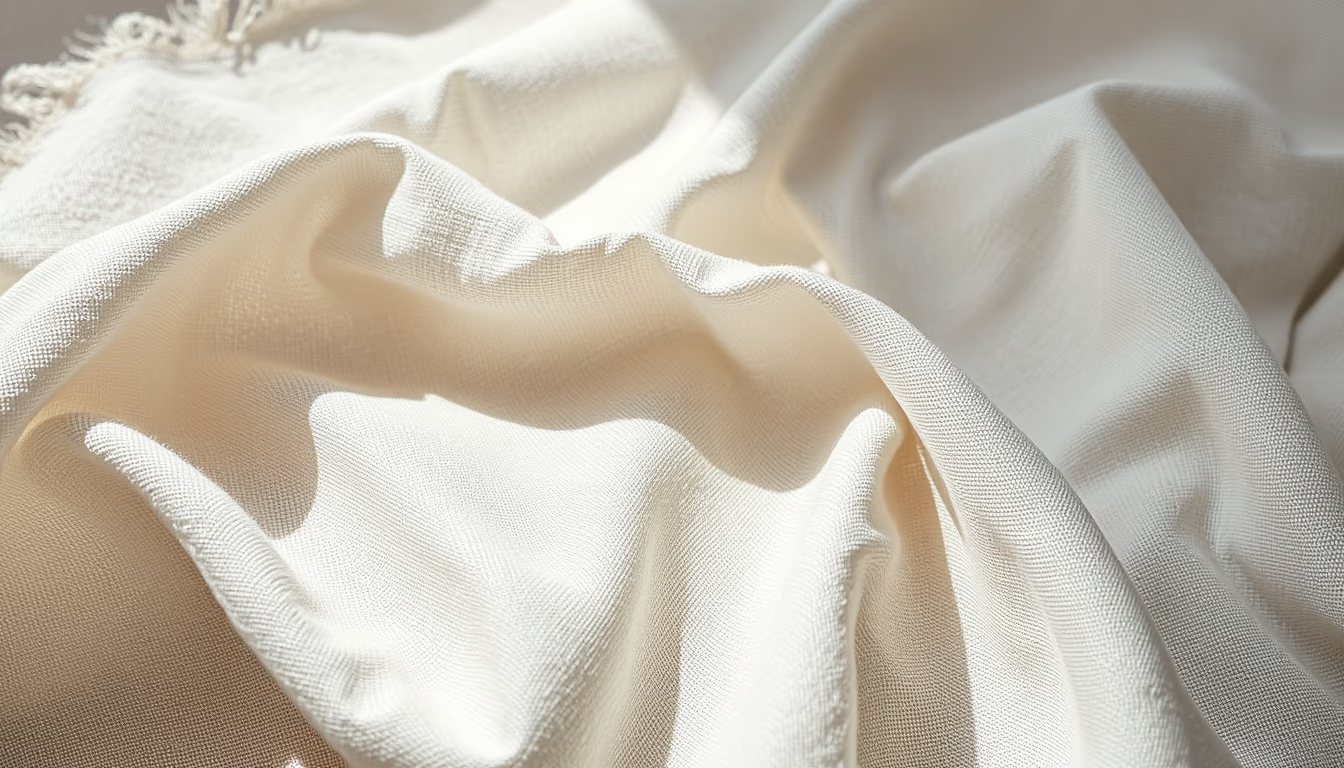
O linho é um tecido natural feito a partir das fibras do linho, conhecido por sua respirabilidade e elegância.
Sobre o tema
O linho é uma das fibras têxteis mais antigas da humanidade, com registros de uso que remontam ao Egito Antigo, há mais de 8 mil anos. Os egípcios utilizavam o linho para vestuário, mortalhas e até como moeda de troca. A planta do linho (Linum usitatissimum) é cultivada em regiões de clima temperado, como França, Bélgica e Normandia. O processo de produção do linho envolve colheita manual ou mecânica, maceração para separar as fibras, e tecelagem. Diferente do algodão, as fibras longas do linho produzem um fio mais resistente e com brilho natural.
O tecido de linho é valorizado por suas propriedades térmicas: mantém o corpo fresco no verão e aquecido no inverno. Além disso, é altamente absorvente, antiestático e hipoalergênico, sendo ideal para peles sensíveis. Sua resistência é até três vezes maior que a do algodão. No entanto, o linho amassa facilmente, característica que muitos consideram parte de seu charme natural. Na moda contemporânea, o linho é sinônimo de sustentabilidade, pois seu cultivo requer menos água e pesticidas que o algodão, e a planta inteira pode ser aproveitada (fibras para tecido, sementes para óleo e alimentação).
Culturalmente, o linho está associado à nobreza e à simplicidade elegante. Na Europa medieval, era usado por camponeses e clérigos, enquanto no Renascimento tornou-se símbolo de status. Hoje, marcas de moda slow fashion e ecológicas apostam no linho para roupas casuais e de cama, mesa e banho. O linho belga e o linho francês são considerados os de melhor qualidade do mundo, certificados por denominações de origem protegida. A textura única do linho, com suas irregularidades sutis, é apreciada por designers de interiores em cortinas e toalhas de mesa.
Perguntas frequentes
Como identificar linho verdadeiro?
O linho verdadeiro tem textura irregular, brilho natural e amassa com facilidade. Ao queimar, cheira a papel queimado e deixa cinzas finas. A etiqueta deve indicar 100% linho ou flax.
Por que o linho amassa tanto?
As fibras do linho têm baixa elasticidade. Isso faz com que o tecido marque facilmente as dobras. Para reduzir amassados, opte por linho misturado com elastano ou passe a ferro com vapor.
O linho é sustentável?
Sim, o linho é uma das fibras mais ecológicas. O cultivo do linho usa pouca água e agrotóxicos, e a planta é aproveitada integralmente. Além disso, o tecido é biodegradável.
URL direta
https://pub-c7d6a6ea828543ac903a74a341ccb2e1.r2.dev/imagens/fabric-texture-linen-minimalist-composition-p5.avifComo creditar
Inclua um link visível de volta pro UtilizAí. Copie um dos snippets abaixo:
<a href="https://xn--utiliza-eza.com/midia/imagens/fabric-texture-linen-minimalist-composition-p5">Fabric texture linen</a> by <a href="https://xn--utiliza-eza.com">UtilizAí</a>, licensed under <a href="https://creativecommons.org/licenses/by/4.0/">CC BY 4.0</a>.
[Fabric texture linen](https://xn--utiliza-eza.com/midia/imagens/fabric-texture-linen-minimalist-composition-p5) by [UtilizAí](https://xn--utiliza-eza.com), CC BY 4.0
Licença: CC-BY-4.0