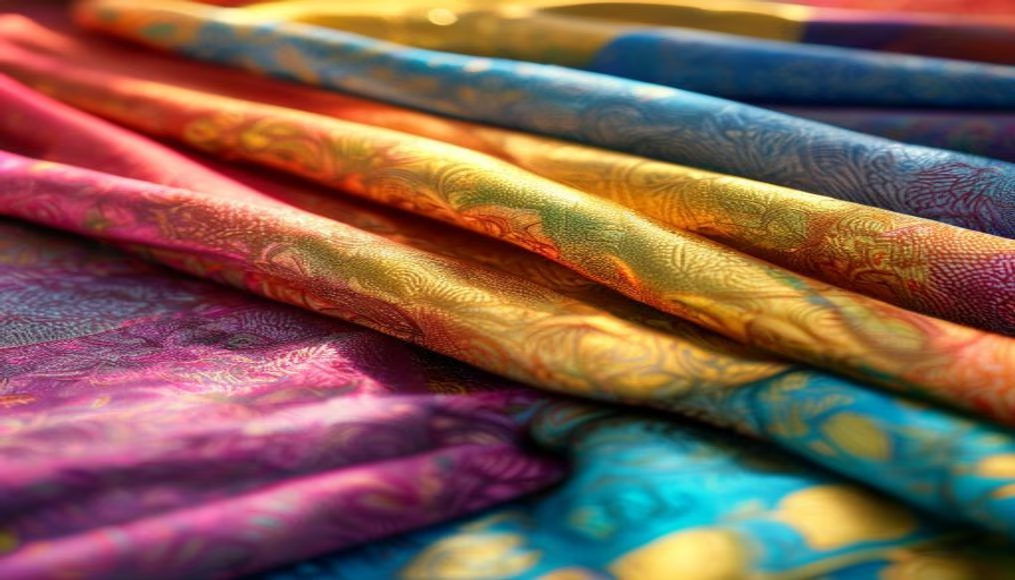
Fabric samples colorful
1344×768 · AVIF · CC BY 4.0
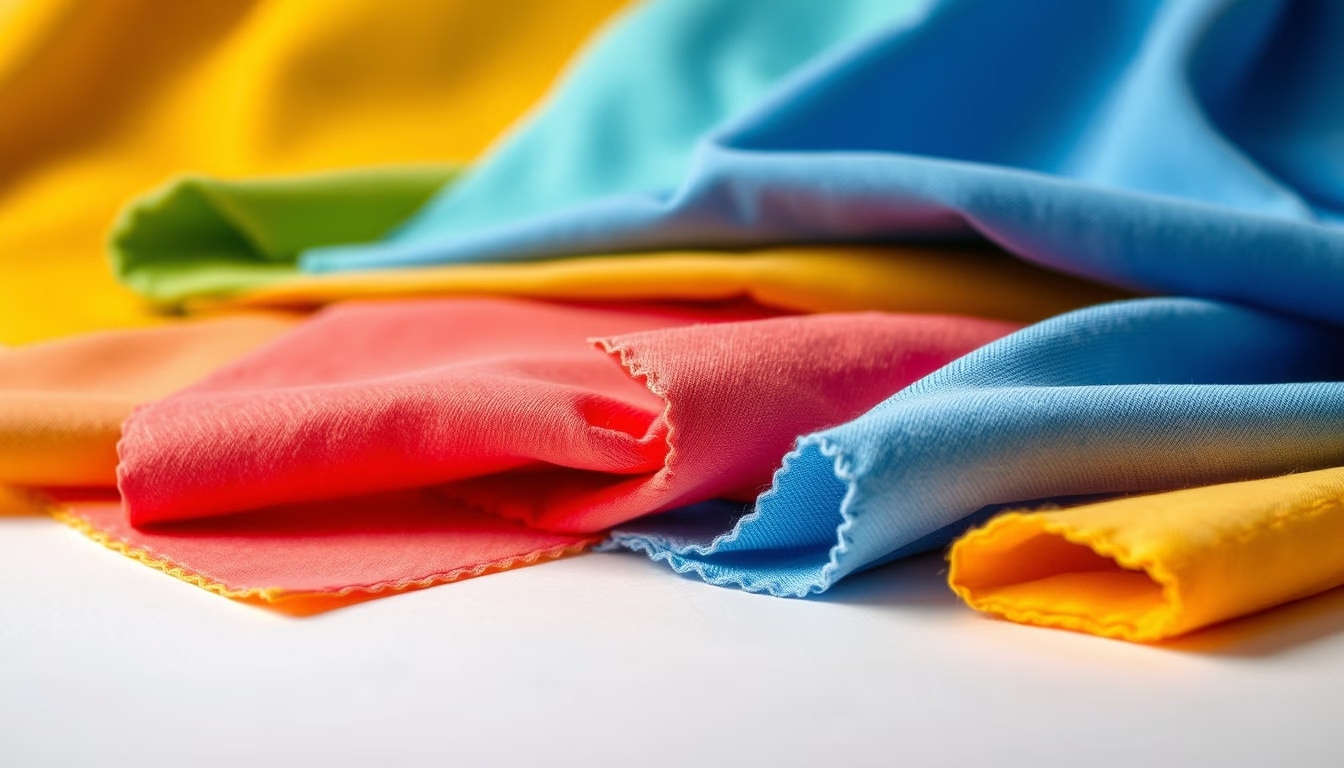
Colorful fabric samples are essential tools in the textile industry, enabling visualization and selection of materials for fashion collections.
About this subject
Fabric samples, also known as swatches, are small pieces of material that represent a larger collection of textiles. In the fashion industry, these samples are essential for designers, stylists, and manufacturers, as they allow evaluation of characteristics such as color, texture, drape, and durability before large-scale production. The practice of using samples dates back to the early days of textile manufacturing but became standardized in the 19th century during the Industrial Revolution, when mass production demanded stricter quality control methods.
The variety of colors in a sample collection can reflect seasonal trends, cultural influences, or regional preferences. For instance, vibrant tones like orange and cobalt blue may be popular in summer collections, while neutrals like gray and beige dominate winter. Additionally, fabric composition, cotton, polyester, silk, linen, directly impacts end use, from everyday clothing to haute couture. The Brazilian textile industry, for example, is recognized for sustainable fabrics and natural dyeing, using colors derived from plants like annatto and genipap.
Interestingly, sample cataloging also plays a role in the historical preservation of fashion. Museums and archives maintain swatch collections from past decades to document changes in color palettes and weaving techniques. In commerce, these samples are often organized into color systems like Pantone, which standardizes shades for global communication. Commercial photography of samples, such as the one that inspired this description, is used in catalogs and supplier websites to help buyers make informed decisions.
Frequently Asked Questions
Why are fabric samples important in the fashion industry?
Samples allow designers and manufacturers to evaluate color, texture, drape, and durability before production, preventing errors and ensuring final product quality.
How are sample colors standardized globally?
Systems like Pantone provide numeric codes for each color, enabling precise communication between suppliers and clients across different countries.
What are sustainable fabrics and how do they relate to samples?
Sustainable fabrics are produced with lower environmental impact, using organic or recycled fibers. Their samples highlight natural colors obtained from plant-based dyes, such as annatto and genipap, common in Brazil.
Direct URL
https://pub-c7d6a6ea828543ac903a74a341ccb2e1.r2.dev/imagens/fabric-samples-colorful-commercial-product-photography.avifHow to credit
Include a visible link back to UtilizAí. Copy one of the snippets below:
<a href="https://xn--utiliza-eza.com/en/midia/imagens/fabric-samples-colorful-commercial-product-photography">Fabric samples colorful</a> by <a href="https://xn--utiliza-eza.com">UtilizAí</a>, licensed under <a href="https://creativecommons.org/licenses/by/4.0/">CC BY 4.0</a>.
[Fabric samples colorful](https://xn--utiliza-eza.com/en/midia/imagens/fabric-samples-colorful-commercial-product-photography) by [UtilizAí](https://xn--utiliza-eza.com), CC BY 4.0
License: CC-BY-4.0