Eye exam phoropter
1344×768 · AVIF · CC BY 4.0
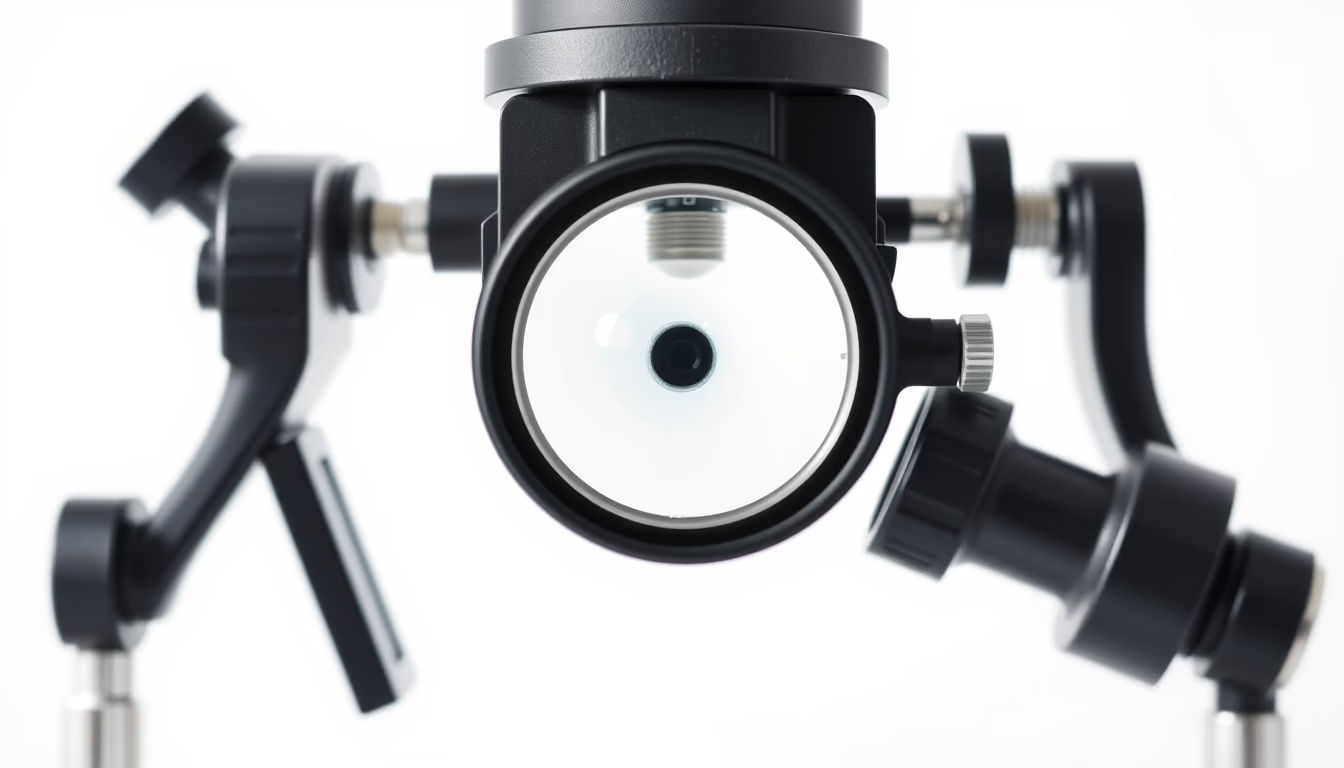
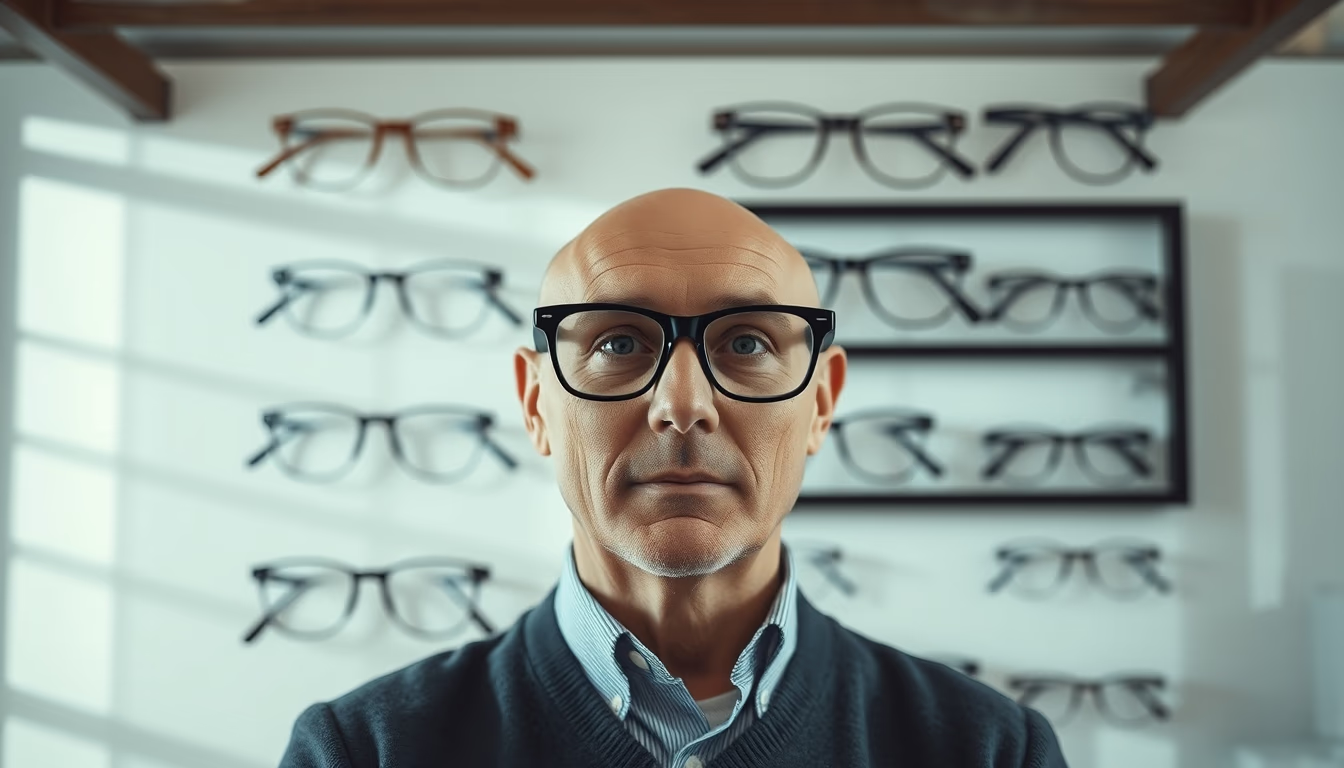
The phoropter is an ophthalmic instrument used to measure corrective lens power during eye exams, determining eyeglass prescriptions.
About this subject
The phoropter, also known as a refractor, is an essential device in ophthalmology clinics and optical shops. It contains a set of lenses of different powers and cylinders that the optometrist or ophthalmologist adjusts in front of the patient's eyes to assess the best visual correction. The examination with the phoropter is called subjective refraction, as the patient provides feedback on which lens provides the sharpest vision.
Historically, the first phoropter was invented in the late 19th century by Edward E. Hinman, an American physician, but modern versions were developed throughout the 20th century. Today, there are manual and automatic models (autorefractors) that use computerized technology to speed up the process. However, the manual phoropter remains standard in many clinics due to its precision and reliability.
The importance of the phoropter goes beyond simple eyeglass prescription. It is crucial for diagnosing conditions such as myopia, hyperopia, astigmatism, and presbyopia. Additionally, the instrument allows binocular vision tests, assessing how the eyes work together. Interestingly, the term "phoropter" comes from the Greek "phoros" (carrier) and "opter" (observer), meaning "observation carrier." The instrument can contain up to 200 different lens combinations, allowing fine adjustments for each patient.
Frequently Asked Questions
How does a phoropter work?
A phoropter works by positioning a series of lenses in front of the patient's eyes. The optometrist alternates between lenses of different powers, and the patient reports which provides the clearest vision. This process is called subjective refraction.
What is the difference between manual and automatic phoropters?
Manual phoropters require the professional to turn dials to change lenses, while automatic ones (autorefractors) use electric motors and computer control, making the exam faster. Both are accurate, but manual ones are more common in traditional exams.
Why is the phoropter important in eye exams?
It allows determining the exact prescription for glasses or contact lenses, correcting issues like myopia, hyperopia, and astigmatism. Additionally, it assesses binocular vision and focusing ability, essential to prevent eye strain.
Direct URL
https://pub-c7d6a6ea828543ac903a74a341ccb2e1.r2.dev/imagens/eye-exam-phoropter-commercial-product-photography-p6.avifHow to credit
Include a visible link back to UtilizAí. Copy one of the snippets below:
<a href="https://xn--utiliza-eza.com/en/midia/imagens/eye-exam-phoropter-commercial-product-photography-p6">Eye exam phoropter</a> by <a href="https://xn--utiliza-eza.com">UtilizAí</a>, licensed under <a href="https://creativecommons.org/licenses/by/4.0/">CC BY 4.0</a>.
[Eye exam phoropter](https://xn--utiliza-eza.com/en/midia/imagens/eye-exam-phoropter-commercial-product-photography-p6) by [UtilizAí](https://xn--utiliza-eza.com), CC BY 4.0
License: CC-BY-4.0