Embroidery floss rainbow
1344×768 · AVIF · CC BY 4.0
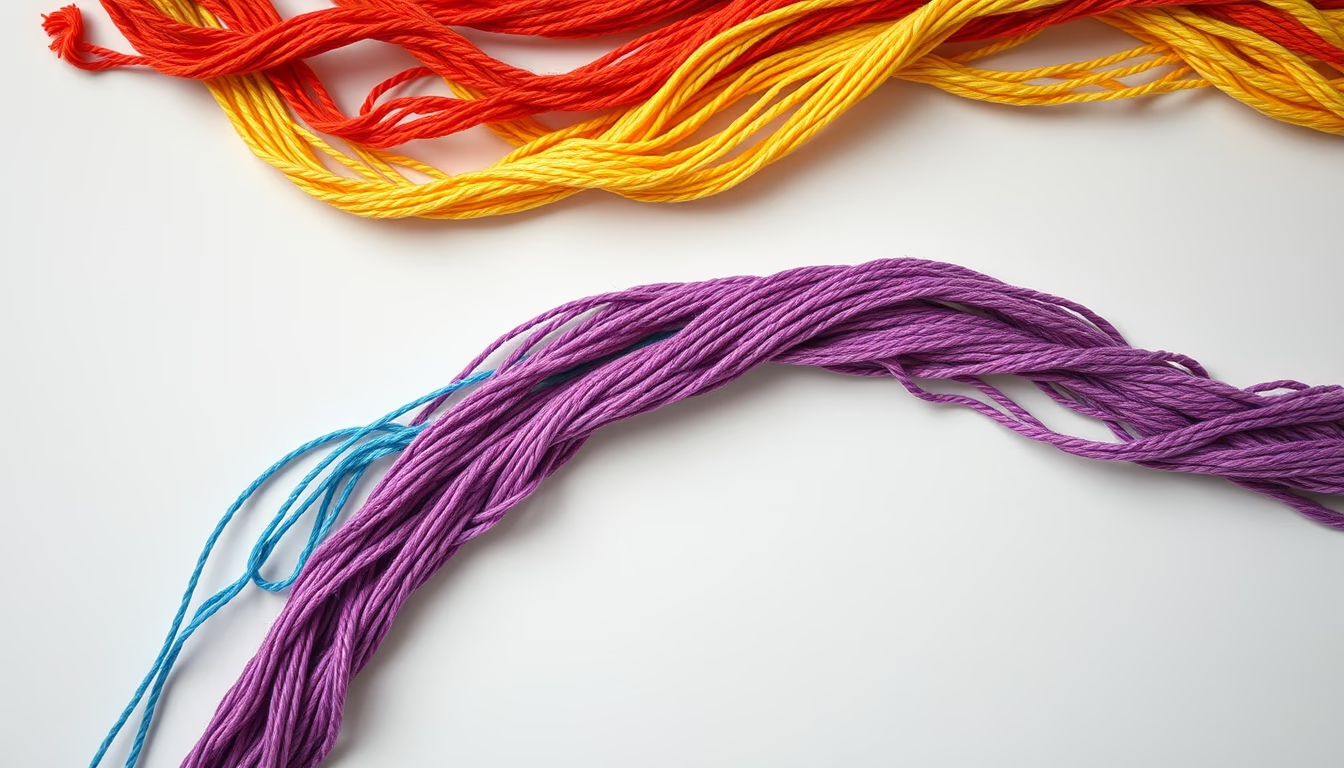
Colorful embroidery floss forms a rainbow in an isometric arrangement. Learn the history and uses of this essential textile material.
About this subject
Embroidery floss is a type of thread composed of six easily separable strands, allowing crafters to adjust thickness for different stitch styles. Traditionally made from mercerized cotton, which gains a silky sheen and increased strength through chemical treatment, the process was patented by John Mercer in 1850. Silk, linen, and synthetic blends are also used for specific effects.
Color standardization is key in modern embroidery. The French company DMC, established in 1746, developed a numbering system with over 500 colors that has become the global industry benchmark. Each shade has a unique code, enabling precise reproduction of patterns. Many enthusiasts organize their floss on numbered cards, much like an artist's paint palette.
In Brazil, embroidery carries deep cultural roots with techniques such as crivo, richelieu, and cross stitch. Cotton floss remains the most popular due to affordability and durability, while metallic and variegated threads have gained traction in contemporary craft. Proper storage involves keeping floss away from direct sunlight and moisture to prevent fading and mildew.
Interestingly, the word “floss” derives from the French “fil à broder.” Global production of embroidery floss is a multi-million dollar industry led by India, China, and European nations. Variegated threads, which blend colors gradually, create shading effects without changing threads and are highly prized for landscape and portrait work.
Frequently Asked Questions
What is the difference between embroidery floss and sewing thread?
Embroidery floss is more twisted and lustrous, usually mercerized cotton that splits into fine strands. Sewing thread is smoother and more tensile, designed to join fabrics without fraying.
How to preserve the colors of embroidery floss?
Avoid direct sunlight and moisture. Store floss in a dry, airy place away from strong light. When washing embroidered items, use cold water and mild soap, drying in the shade.
What is the origin of the DMC numbering system?
DMC (Dollfus Mieg et Compagnie) introduced the system in the 19th century to standardize embroidery thread colors. Each shade receives a unique number, making it easy to buy and execute complex patterns.
Direct URL
https://pub-c7d6a6ea828543ac903a74a341ccb2e1.r2.dev/imagens/embroidery-floss-rainbow-isometric-flat-lay-fresh12.avifHow to credit
Include a visible link back to UtilizAí. Copy one of the snippets below:
<a href="https://xn--utiliza-eza.com/en/midia/imagens/embroidery-floss-rainbow-isometric-flat-lay-fresh12">Embroidery floss rainbow</a> by <a href="https://xn--utiliza-eza.com">UtilizAí</a>, licensed under <a href="https://creativecommons.org/licenses/by/4.0/">CC BY 4.0</a>.
[Embroidery floss rainbow](https://xn--utiliza-eza.com/en/midia/imagens/embroidery-floss-rainbow-isometric-flat-lay-fresh12) by [UtilizAí](https://xn--utiliza-eza.com), CC BY 4.0
License: CC-BY-4.0