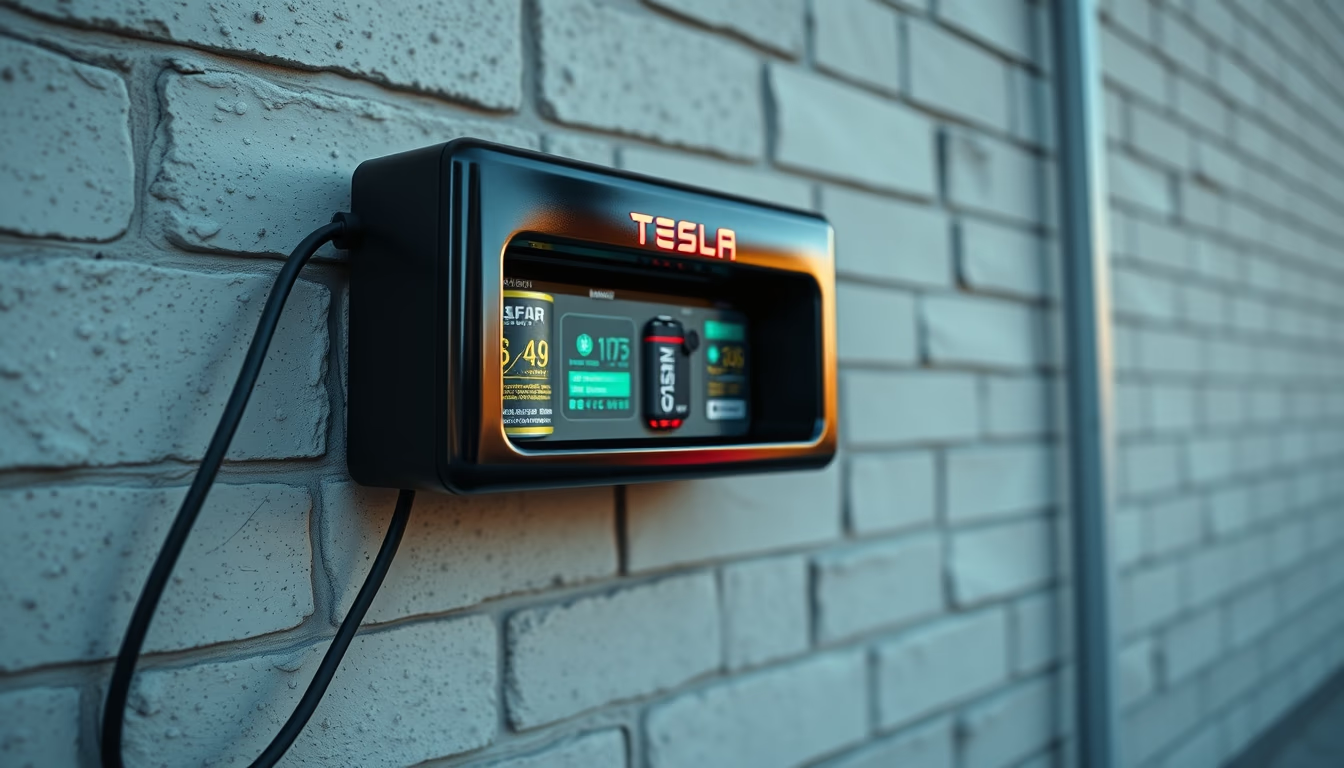
Electric scooter dock
1344×768 · AVIF · CC BY 4.0
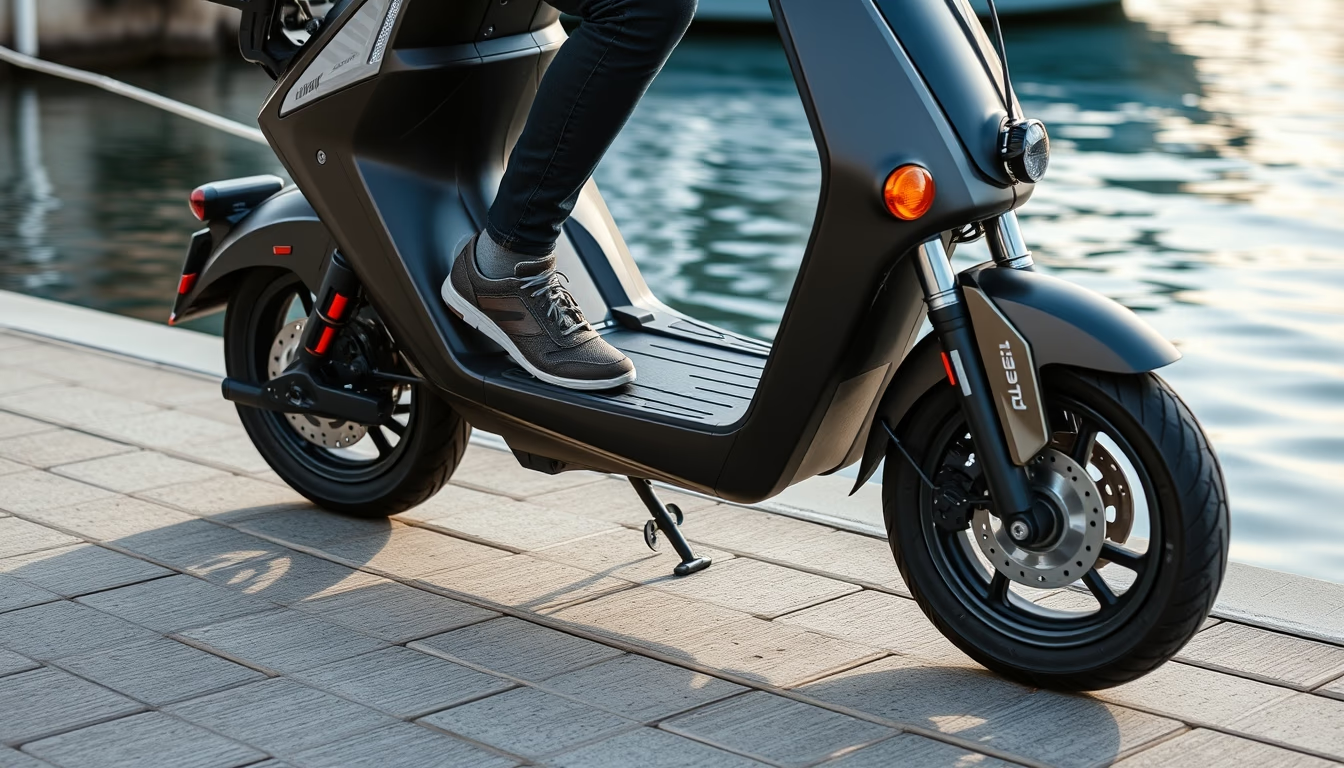
Electric scooter docks organize urban mobility and reduce sidewalk clutter, integrating charging technology and geolocation for efficient fleet management.
About this subject
Electric scooter docking stations emerged as a solution to one of the biggest issues in shared micromobility: urban clutter. In cities like São Paulo and Rio de Janeiro, where scooter usage surged from 2019 onward, the lack of designated parking areas led to complaints from pedestrians and local authorities. Docks solve this by providing fixed locations where users must return vehicles, often with discounted ride incentives.
Technologically, docks are equipped with wireless or plug-in charging stations, plus sensors that detect scooter presence and report availability to central systems. Companies like Lime and Bird deploy these structures in partnership with municipalities, using GPS data to map high-demand areas and install bases strategically. By 2026, most large cities are expected to mandate such stations for shared scooter operations.
Beyond organization, docks enhance vehicle safety and durability. By concentrating scooters in sheltered spots, they reduce vandalism and wear from sun and rain. Some stations feature solar panels to power charging, making the system more sustainable. In cities like Paris, docks have been integrated with public transit, allowing metro and bus users to find available scooters when exiting stations.
The docking model is evolving to include modular stations that can be relocated based on seasonal demand, for instance near beaches in summer or universities during the academic year. The global trend is for docks to become part of urban infrastructure, akin to bike racks and bus stops, regulated by municipal laws defining minimum stall counts per region.
Frequently Asked Questions
How do electric scooter docking stations work?
Docks are fixed bases with sensors and chargers. The user parks the scooter in the designated spot, where it is locked and recharged automatically. The system updates availability in real time on the app.
Which Brazilian cities have adopted scooter docks?
São Paulo, Rio de Janeiro and Brasília have docking points, mainly in central areas and near metro stations. Expansion depends on municipal regulations and partnerships with operators.
Do docks help reduce the environmental impact of scooters?
Yes. By concentrating vehicles in locations with solar or efficient charging, they reduce the need for van collection and extend battery life. They also organize public space, reducing visual pollution.
Direct URL
https://pub-c7d6a6ea828543ac903a74a341ccb2e1.r2.dev/imagens/electric-scooter-dock-magazine-editorial-p2.avifHow to credit
Include a visible link back to UtilizAí. Copy one of the snippets below:
<a href="https://xn--utiliza-eza.com/en/midia/imagens/electric-scooter-dock-magazine-editorial-p2">Electric scooter dock</a> by <a href="https://xn--utiliza-eza.com">UtilizAí</a>, licensed under <a href="https://creativecommons.org/licenses/by/4.0/">CC BY 4.0</a>.
[Electric scooter dock](https://xn--utiliza-eza.com/en/midia/imagens/electric-scooter-dock-magazine-editorial-p2) by [UtilizAí](https://xn--utiliza-eza.com), CC BY 4.0
License: CC-BY-4.0