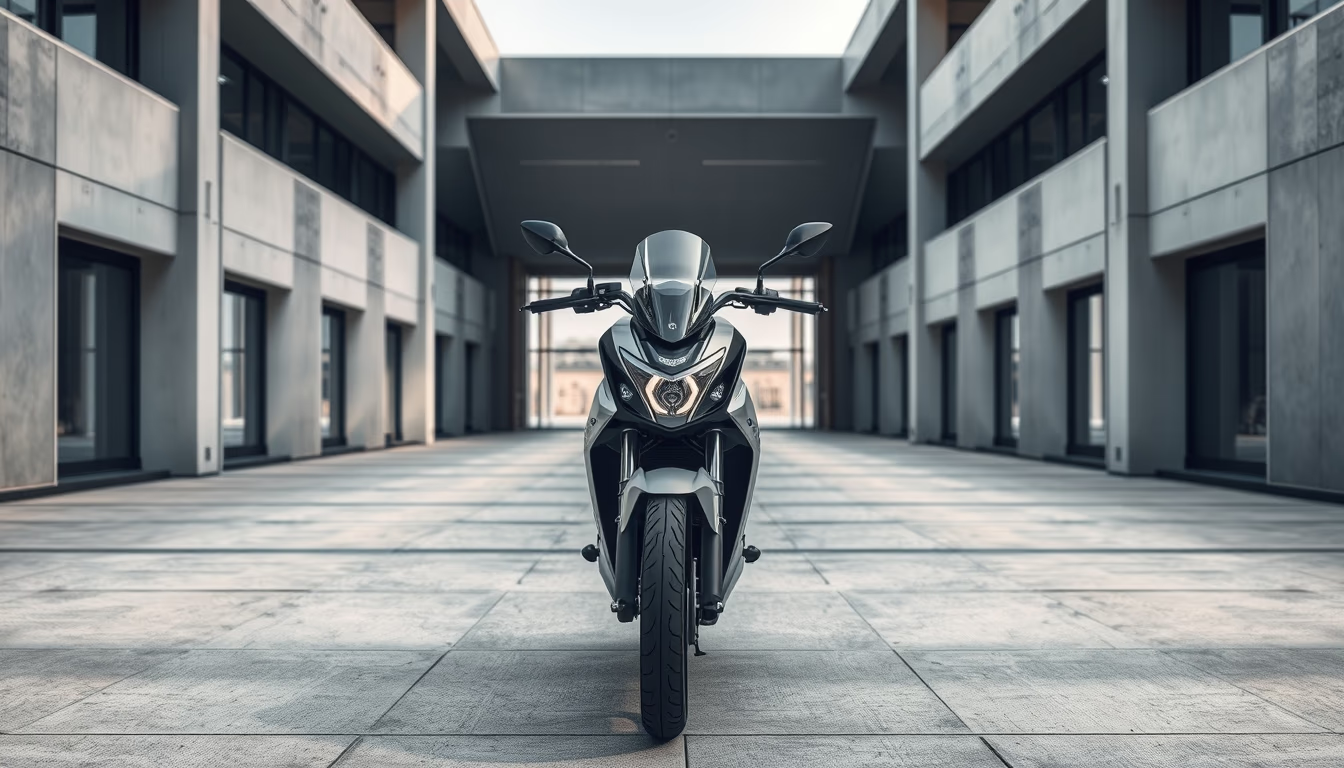
Electric scooter city street
1344×768 · AVIF · CC BY 4.0
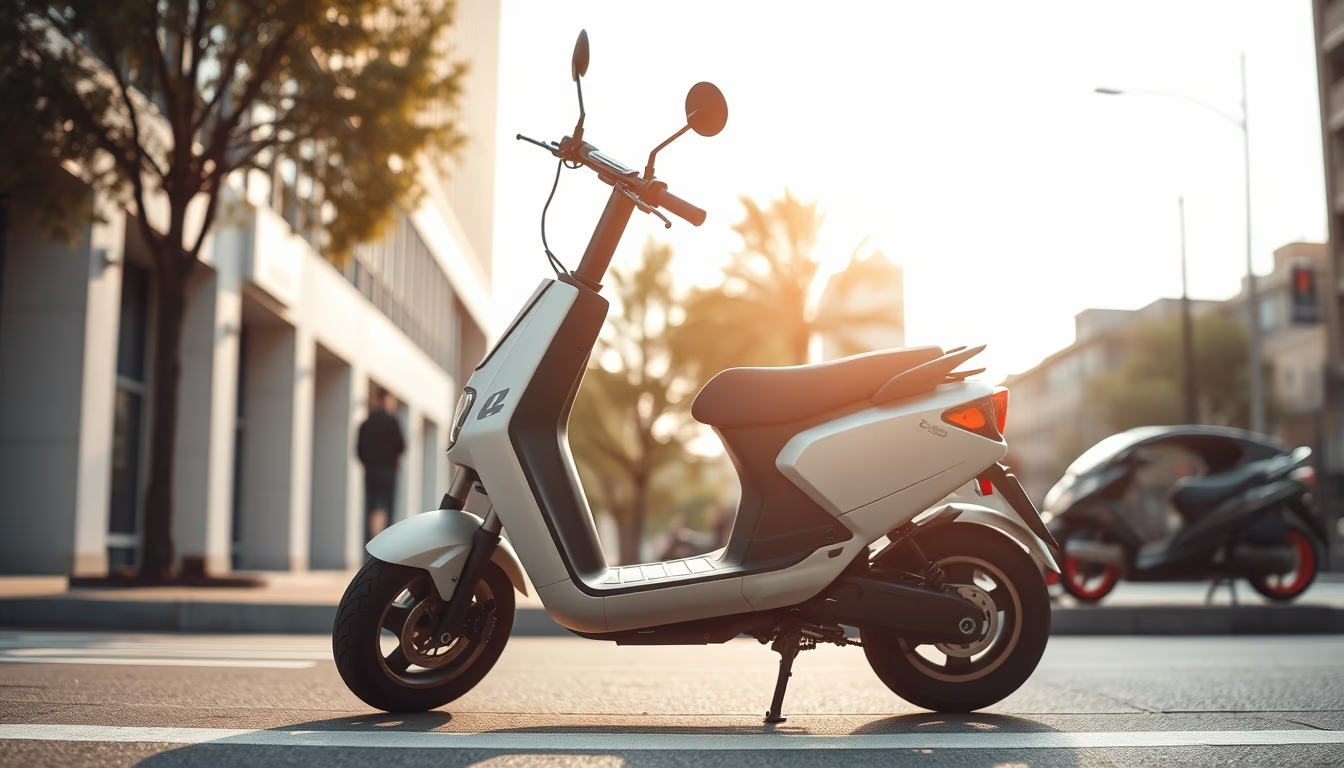
Patinetes elétricos estão transformando a mobilidade urbana em cidades ao redor do mundo, oferecendo uma alternativa sustentável e ágil para trajetos curtos.
Sobre o tema
Os patinetes elétricos, também conhecidos como e-scooters, tornaram-se uma presença comum em muitas cidades globais desde o final dos anos 2010. Eles são veículos de duas rodas movidos por baterias recarregáveis, com velocidade máxima geralmente limitada a 25 km/h (conforme legislação europeia) e autonomia que varia de 20 a 40 quilômetros. Empresas de compartilhamento como Lime, Bird e a brasileira YELLOW popularizaram o serviço, permitindo que usuários aluguem os veículos por meio de aplicativos para trajetos de até poucos quilômetros, preenchendo a chamada 'última milha' entre transportes públicos e destinos finais.
A adoção em massa trouxe benefícios ambientais, como a redução de emissões de carbono em comparação com carros em viagens curtas. Estudos indicam que cada viagem de e-scooter substitui cerca de 30% de deslocamentos que seriam feitos de carro, diminuindo congestionamentos e poluição sonora. No entanto, desafios como o descarte inadequado de baterias, ocupação de calçadas e acidentes levaram cidades a implementar regulamentações específicas. Por exemplo, Paris proibiu os patinetes compartilhados em 2023 após um referendo, enquanto São Paulo estabeleceu regras de trânsito e estacionamento.
Culturalmente, os patinetes elétricos representam uma mudança na percepção da micromobilidade. Eles são vistos como símbolo de inovação urbana e sustentabilidade, mas também geram controvérsias sobre segurança e ordem pública. A tecnologia continua evoluindo, com baterias mais duráveis e sistemas de inteligência artificial para evitar estacionamentos irregulares. Em 2026, as tendências apontam para integração com transporte público, como descontos para usuários de bilhetes integrados, e maior durabilidade dos veículos para reduzir resíduos.
Perguntas frequentes
Os patinetes elétricos são seguros para uso urbano?
A segurança depende do cumprimento de regras de trânsito e do uso de equipamentos como capacete. Estudos mostram que a maioria dos acidentes envolve colisões com carros ou quedas isoladas, muitas vezes causadas por más condições da via.
Como funciona o aluguel de patinetes elétricos nas cidades?
Usuários baixam um aplicativo de uma empresa de compartilhamento, localizam um patinete disponível no mapa, escaneiam um QR code e pagam por minuto. Após o uso, devem estacionar em áreas designadas, conforme regras locais.
Qual o impacto ambiental dos patinetes elétricos?
Eles emitem menos CO2 por quilômetro do que carros, especialmente quando carregados com energia limpa. Contudo, a produção e descarte de baterias de lítio geram resíduos; programas de reciclagem são essenciais para minimizar esse impacto.
URL direta
https://pub-c7d6a6ea828543ac903a74a341ccb2e1.r2.dev/imagens/electric-scooter-city-street-minimalist-composition-p3.avifComo creditar
Inclua um link visível de volta pro UtilizAí. Copie um dos snippets abaixo:
<a href="https://xn--utiliza-eza.com/midia/imagens/electric-scooter-city-street-minimalist-composition-p3">Electric scooter city street</a> by <a href="https://xn--utiliza-eza.com">UtilizAí</a>, licensed under <a href="https://creativecommons.org/licenses/by/4.0/">CC BY 4.0</a>.
[Electric scooter city street](https://xn--utiliza-eza.com/midia/imagens/electric-scooter-city-street-minimalist-composition-p3) by [UtilizAí](https://xn--utiliza-eza.com), CC BY 4.0
Licença: CC-BY-4.0