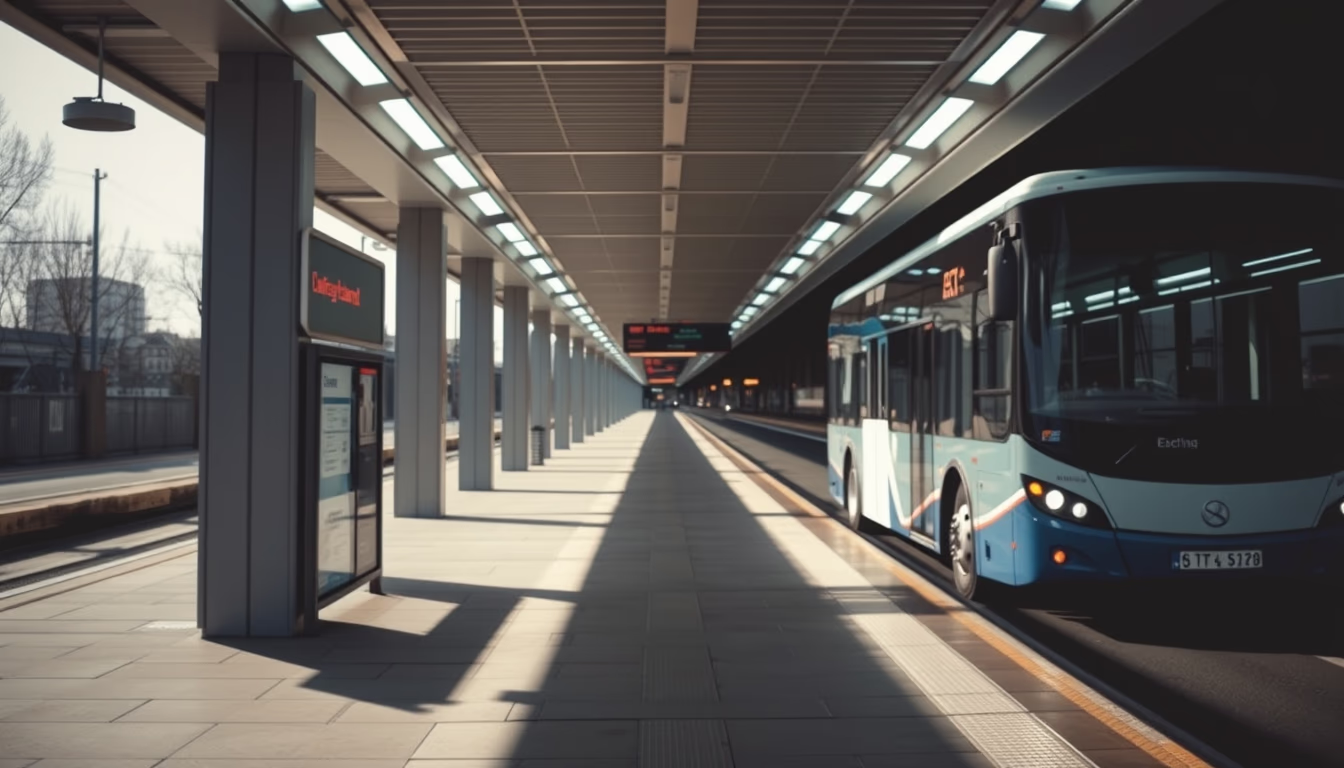
Electric bus station
1344×768 · AVIF · CC BY 4.0

Electric bus stations are becoming symbols of sustainable urban mobility, integrating fast charging and smart design.
About this subject
An electric bus station goes far beyond a simple stop. It functions as a technological hub that combines charging infrastructure, energy management, and connectivity. In smart cities, these stations are designed to quickly recharge vehicle batteries during boarding and alighting, using systems such as roof-mounted pantographs or inductive charging pads. The efficiency is such that in Shenzhen (China), the world's largest electric bus fleet (more than 16,000 vehicles) operates with stations that deliver a full charge in just 10 to 15 minutes.
The concept is gaining global momentum as part of Net Zero targets. By 2026, cities like London, Los Angeles, and Santiago de Chile are expected to significantly expand their electric bus networks. In Brazil, São Paulo is testing electric corridors with ultra-fast charging stations, while Curitiba, a benchmark in public transportation, plans to modernize its terminals with electric technology. The integration of solar panels on station roofs allows part of the energy consumed to come from renewable sources, further reducing the carbon footprint.
One of the major technical challenges is managing electrical demand. To avoid grid overload, modern stations use intelligent systems that distribute charging optimally, prioritizing vehicles with lower batteries. Furthermore, the infrastructure allows bus batteries themselves to act as temporary storage, feeding energy back into the grid during peak hours. This bidirectional capability turns stations into true nodes of the smart electrical grid.
Culturally, the adoption of electric stations represents a shift in public transportation perception. The silence of electric motors and the absence of black exhaust smoke improve urban quality of life, especially in densely populated areas. Data from the International Energy Agency shows that in 2023, electric buses already accounted for more than 70% of global bus sales in China and about 30% in Europe. In Brazil, penetration is still low (less than 5%), but the trend is to accelerate with incentive policies and green financing lines.
Frequently Asked Questions
How does charging work at an electric bus station?
Charging can be done via rooftop pantographs that automatically connect when the bus stops, or via magnetic induction from the ground. The process takes 10 to 30 minutes for a full charge, depending on the technology and battery capacity.
Which Brazilian cities already have electric bus stations?
São Paulo leads with electric corridors at Parque D. Pedro and Avenida Paulista. Curitiba is implementing electric terminals. Rio de Janeiro and Brasília also have pilot projects. The challenge is expanding to entire municipal fleets.
What is the main benefit of an electric bus station for a city?
Significant reduction in pollutant emissions and noise, improving air quality and acoustic comfort. Additionally, the station can function as a charging point for other vehicles and store solar energy, contributing to urban energy resilience.
Direct URL
https://pub-c7d6a6ea828543ac903a74a341ccb2e1.r2.dev/imagens/electric-bus-station-studio-editorial-portrait-p2.avifHow to credit
Include a visible link back to UtilizAí. Copy one of the snippets below:
<a href="https://xn--utiliza-eza.com/en/midia/imagens/electric-bus-station-studio-editorial-portrait-p2">Electric bus station</a> by <a href="https://xn--utiliza-eza.com">UtilizAí</a>, licensed under <a href="https://creativecommons.org/licenses/by/4.0/">CC BY 4.0</a>.
[Electric bus station](https://xn--utiliza-eza.com/en/midia/imagens/electric-bus-station-studio-editorial-portrait-p2) by [UtilizAí](https://xn--utiliza-eza.com), CC BY 4.0
License: CC-BY-4.0