Edwardian platinum ring filigree
1344×768 · AVIF · CC BY 4.0
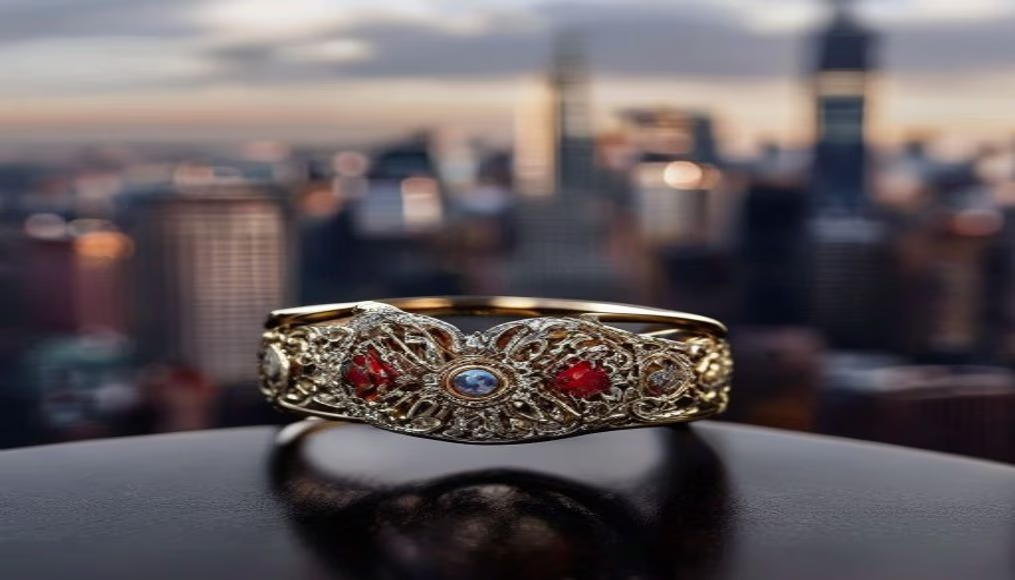
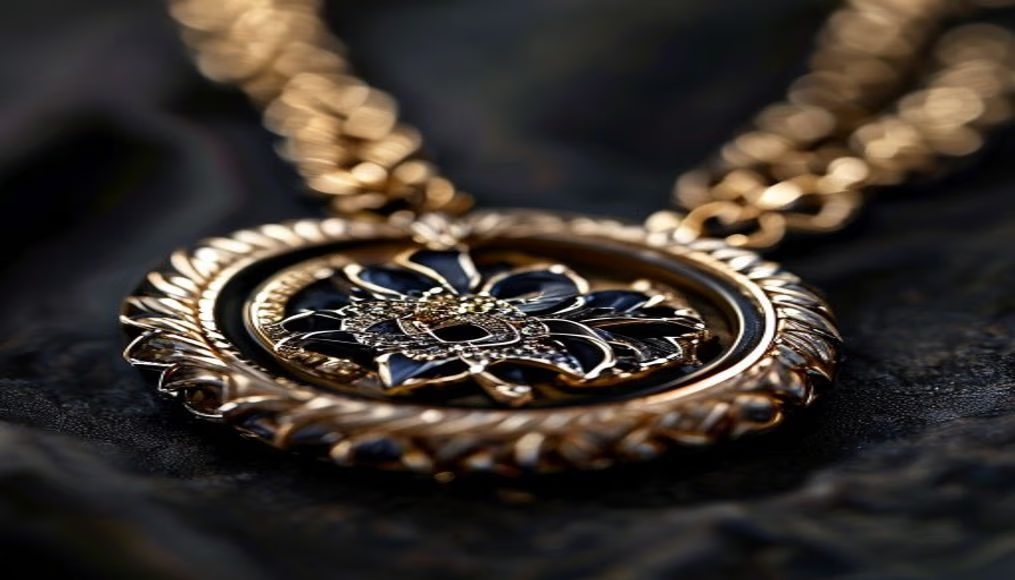
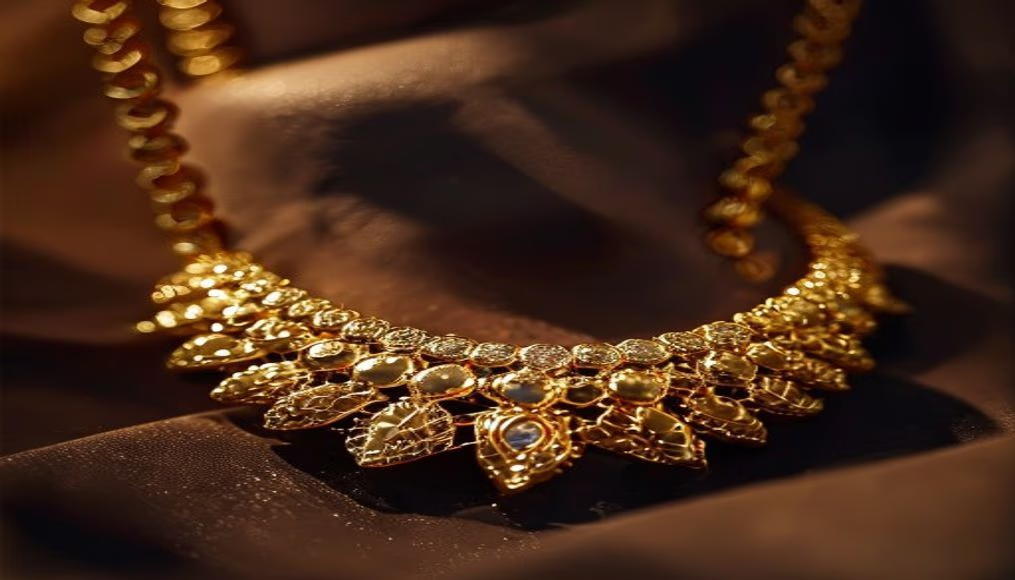
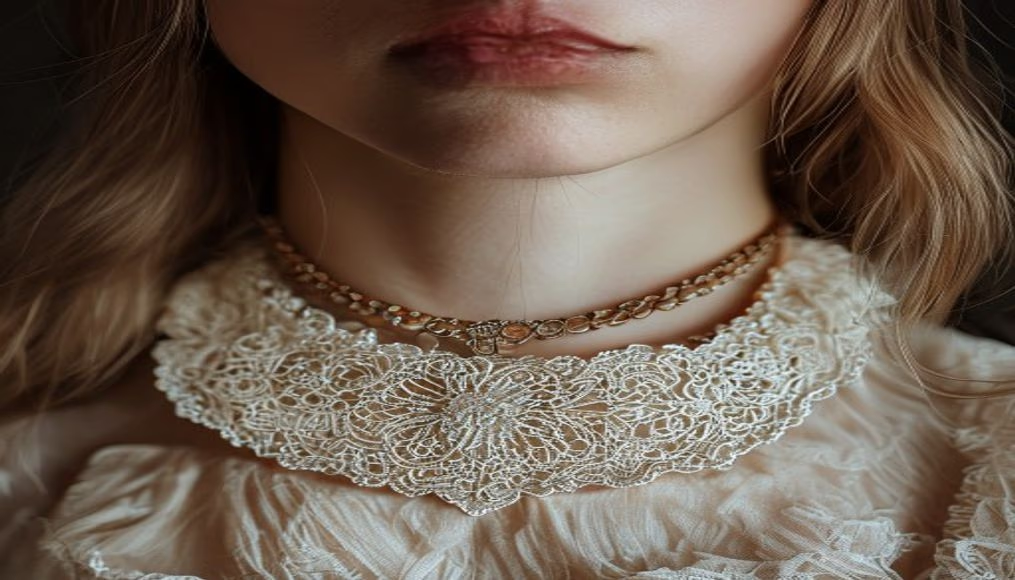
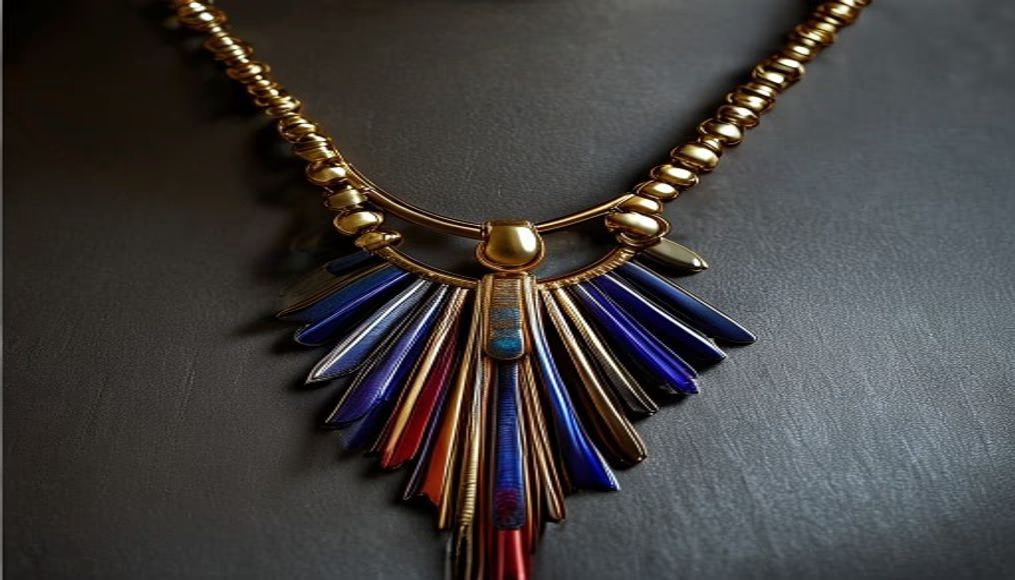
Edwardian platinum ring with filigree, a jewel exemplifying the elegance and craftsmanship of the early 20th century Edwardian era.
About this subject
The Edwardian platinum filigree ring represents the pinnacle of early 20th century jewelry craftsmanship. During the Edwardian period (1901-1910), platinum became the preferred metal for jewelers due to its strength and malleability, enabling intricate designs like filigree. This technique, involving twisting and soldering extremely fine metal wires, resulted in lightweight, delicate pieces often adorned with diamonds and precious stones. The fashion of the time, influenced by Art Nouveau and a taste for nature, inspired floral and geometric motifs.
Edwardian filigree is characterized by lace-like patterns and arabesques that create an effect of transparency and lightness. The use of platinum, a white metal resistant to wear, also allowed the development of the milgrain technique, where tiny metal beads are applied to edges to enhance the brilliance of gems. Many rings of this era featured a central design with a principal stone, such as a diamond or sapphire, surrounded by a halo of filigree.
Interestingly, the discovery of large platinum deposits in Russia and South Africa in the late 19th century made the metal more affordable, boosting its popularity in jewelry. Famous jewelers like Cartier, Van Cleef & Arpels, and Tiffany & Co. produced emblematic pieces in this style. Today, Edwardian rings are highly collectible and valued for their rarity and beauty, frequently appearing in luxury auctions and vintage jewelry exhibitions.
The production of these pieces required extremely specialized labor, and many European workshops, especially in Paris and London, dedicated themselves exclusively to this type of goldsmithing. Platinum filigree is considered one of the most difficult jewelry techniques, as the metal requires very high soldering temperatures, risking damage to the fine wires. Each ring could take weeks or months to complete, reflecting the high level of skill and patience of the artisans of the time.
Frequently Asked Questions
What characterizes an Edwardian platinum ring?
An Edwardian platinum ring is marked by the use of filigree, lace-like and lightweight designs, often with diamonds or precious stones. Platinum enables very fine and durable details, and the style reflects the elegance and luxury of the Edwardian era (1901-1910).
How to identify an authentic Edwardian piece of jewelry?
Look for hallmarks such as platinum stamps (often 'PT' or 'PLAT'), and details like milgrain (tiny metal beads) and filigree. The piece tends to be lightweight and delicate, with floral or geometric designs. Authenticity can be confirmed by a gemologist or specialized appraiser.
What is the difference between Edwardian filigree and other techniques?
Edwardian platinum filigree is finer and more intricate than gold filigree from earlier periods, thanks to platinum's malleability. It creates airy, lace-like patterns, while other techniques like repoussé involve relief and hammering. Edwardian filigree is often combined with milgrain for a sparkling finish.
Direct URL
https://pub-c7d6a6ea828543ac903a74a341ccb2e1.r2.dev/imagens/edwardian-platinum-ring-filigree-manhattan-penthouse-skyline-backdrop-luxo1.avifHow to credit
Include a visible link back to UtilizAí. Copy one of the snippets below:
<a href="https://xn--utiliza-eza.com/en/midia/imagens/edwardian-platinum-ring-filigree-manhattan-penthouse-skyline-backdrop-luxo1">Edwardian platinum ring filigree</a> by <a href="https://xn--utiliza-eza.com">UtilizAí</a>, licensed under <a href="https://creativecommons.org/licenses/by/4.0/">CC BY 4.0</a>.
[Edwardian platinum ring filigree](https://xn--utiliza-eza.com/en/midia/imagens/edwardian-platinum-ring-filigree-manhattan-penthouse-skyline-backdrop-luxo1) by [UtilizAí](https://xn--utiliza-eza.com), CC BY 4.0
License: CC-BY-4.0