Art deco sautoir necklace tassel
1344×768 · AVIF · CC BY 4.0
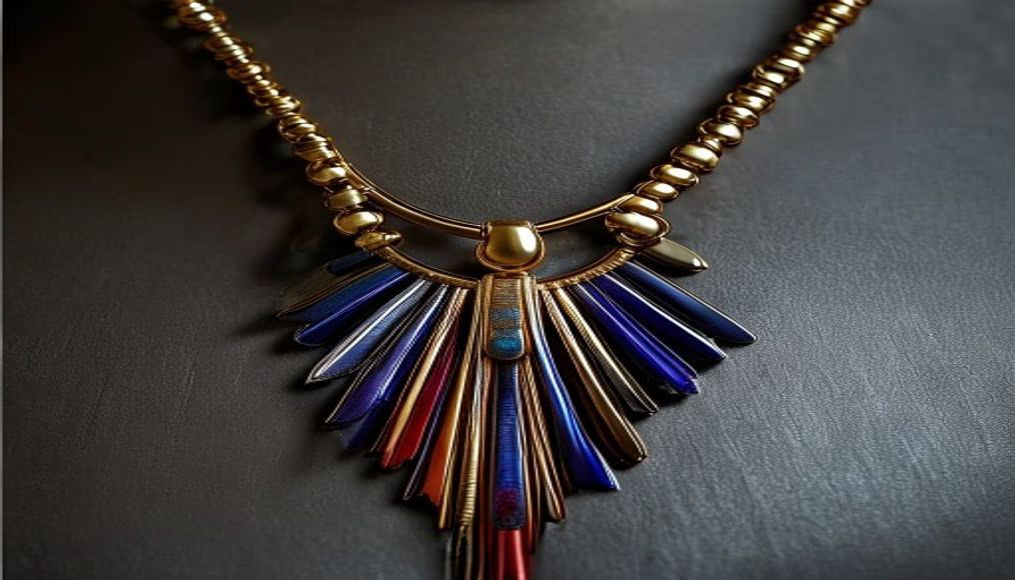
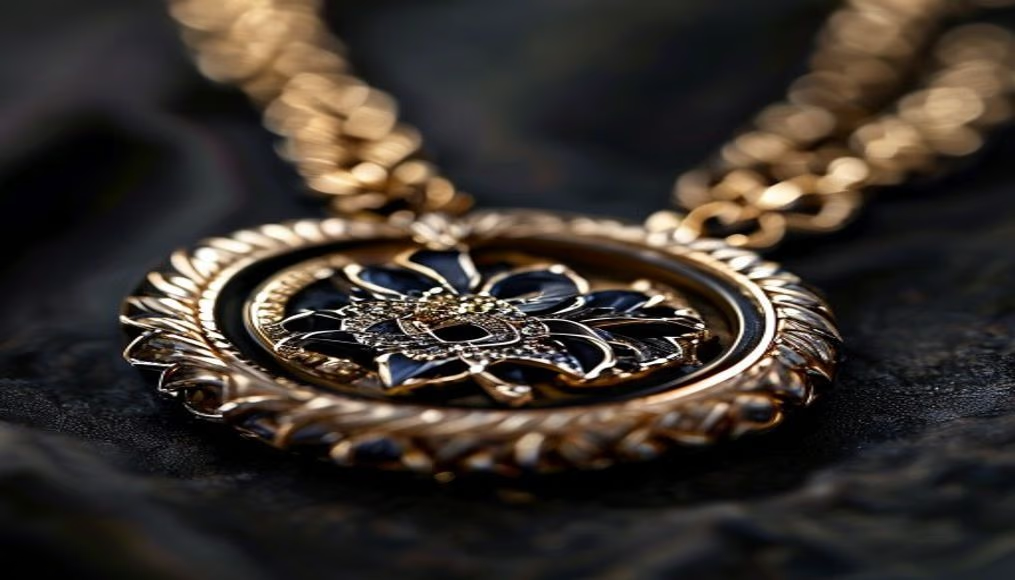
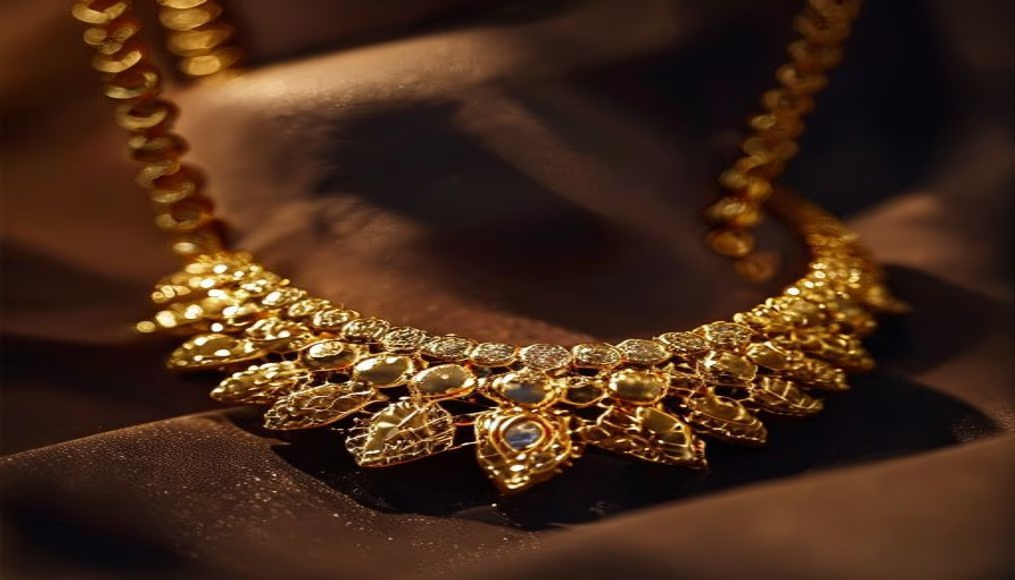
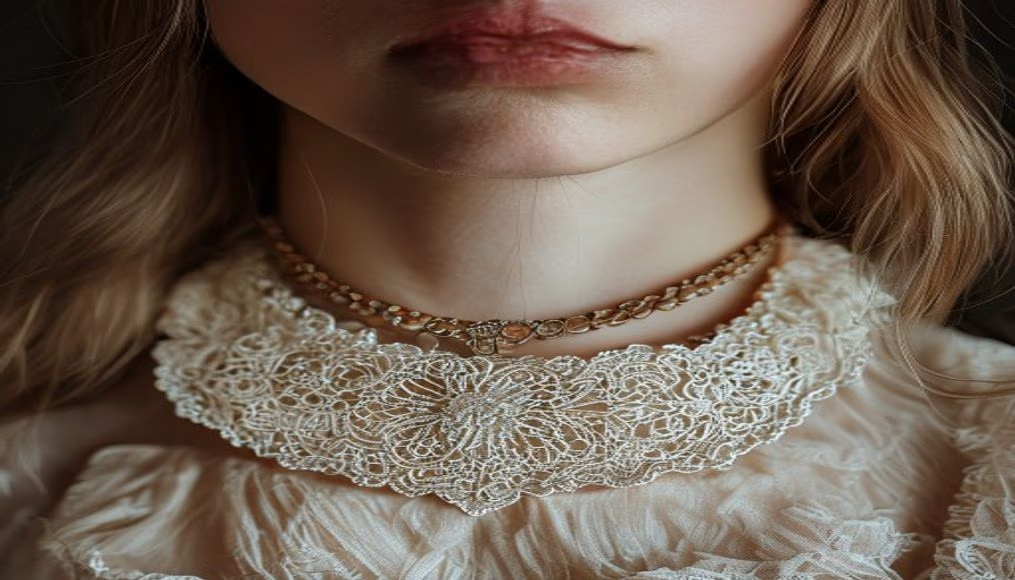
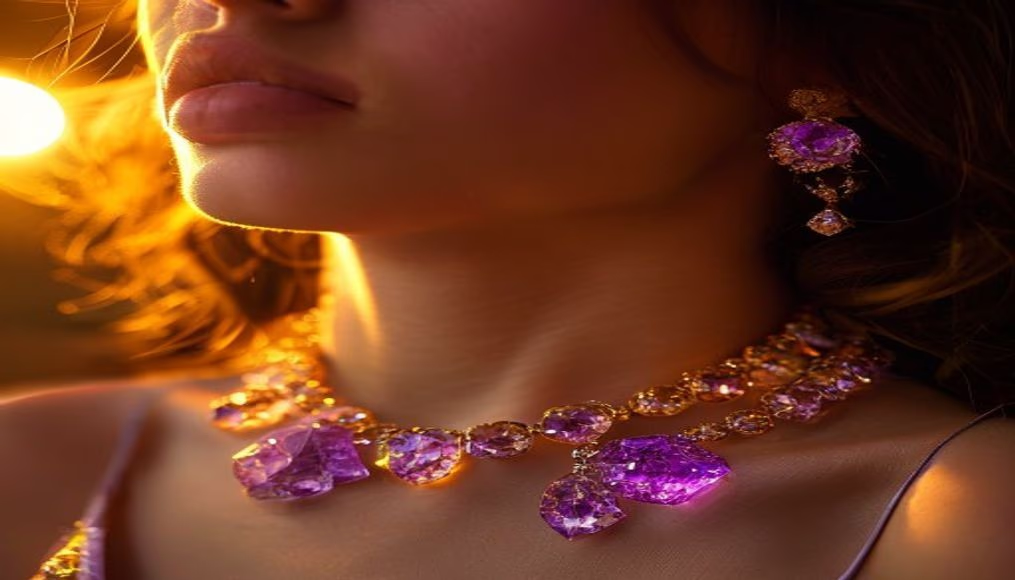
Art Deco sautoir necklace with tassel pendant: a 1920s jewelry icon combining geometry, luxury, and modernity.
About this subject
The sautoir necklace, French for 'long' or 'hanging', became a hallmark of Art Deco jewelry, a movement that flourished from 1920 to 1939. Defined by its long chain, often ending in a tassel pendant, this necklace style was worn by fashionable women dancing the Charleston and frequenting Parisian cabarets. The geometric design, straight lines, and symmetry reflect the influence of machinery and rapid urbanization, while precious materials such as platinum, diamonds, onyx, and jade showcase the era’s refinement.
The tassel element was a recurring motif, evoking curtain fringe or 1920s fashion details. Many sautoirs were convertible, allowing the tassel to be detached and worn as a brooch, demonstrating the technical versatility of goldsmiths. Houses like Cartier, Van Cleef & Arpels, and Mauboussin produced iconic pieces inspired by Egyptian art (after the discovery of Tutankhamun's tomb in 1922), Persian art, and European modernism.
The 'tremblant' technique (a spring that makes the tassel quiver) and the baguette cut were perfected during this period, creating light and movement effects. The sautoir was not just an ornament but a statement of female independence, as the fashion for short hair and straight dresses favored long necklaces that hung to the waist. Today, original pieces are coveted by collectors and often reach millions at auction.
In high jewelry editorial contexts, the Art Deco sautoir continues to inspire replicas and contemporary reinterpretations, maintaining its aura of timeless sophistication. Its presence on luxury magazine covers reinforces its nostalgic appeal and enduring power of style across generations.
Frequently Asked Questions
What defines an Art Deco sautoir necklace?
An Art Deco sautoir necklace is characterized by its long chain (usually over 50 cm) and a decorative pendant, often in the form of a tassel. The design emphasizes geometry, symmetry, and straight lines, using materials like platinum, diamonds, onyx, and jade. It emerged in the 1920s and reflects the modernist aesthetic of the era.
Why was the tassel element so common in sautoirs?
The tassel evoked curtain fringe and flapper fashion details, adding movement and sparkle. Many pieces featured a 'tremblant' mechanism that made the tassel quiver. It was also practical: it could be detached and worn as a brooch, showcasing the piece's versatility.
Which jewelry houses are famous for their Art Deco sautoirs?
Cartier, Van Cleef & Arpels, Mauboussin, and Boucheron are among the most renowned. Cartier created the iconic 'Sautoir à la Française' with Egyptian influence, while Van Cleef & Arpels innovated with geometric floral designs. These pieces often break records at Christie's and Sotheby's auctions.
Direct URL
https://pub-c7d6a6ea828543ac903a74a341ccb2e1.r2.dev/imagens/art-deco-sautoir-necklace-tassel-magazine-cover-editorial-composition-luxo2.avifHow to credit
Include a visible link back to UtilizAí. Copy one of the snippets below:
<a href="https://xn--utiliza-eza.com/en/midia/imagens/art-deco-sautoir-necklace-tassel-magazine-cover-editorial-composition-luxo2">Art deco sautoir necklace tassel</a> by <a href="https://xn--utiliza-eza.com">UtilizAí</a>, licensed under <a href="https://creativecommons.org/licenses/by/4.0/">CC BY 4.0</a>.
[Art deco sautoir necklace tassel](https://xn--utiliza-eza.com/en/midia/imagens/art-deco-sautoir-necklace-tassel-magazine-cover-editorial-composition-luxo2) by [UtilizAí](https://xn--utiliza-eza.com), CC BY 4.0
License: CC-BY-4.0