Drum kit empty studio
1344×768 · AVIF · CC BY 4.0
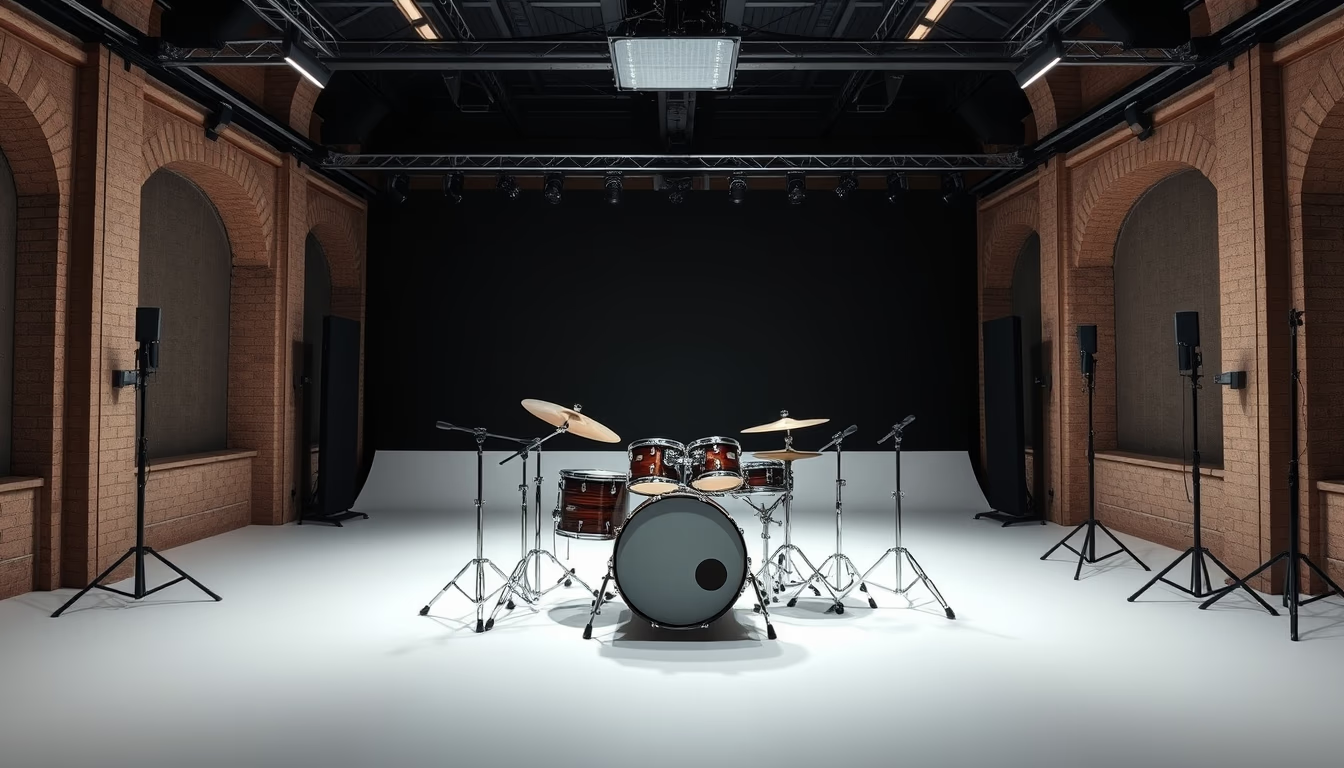
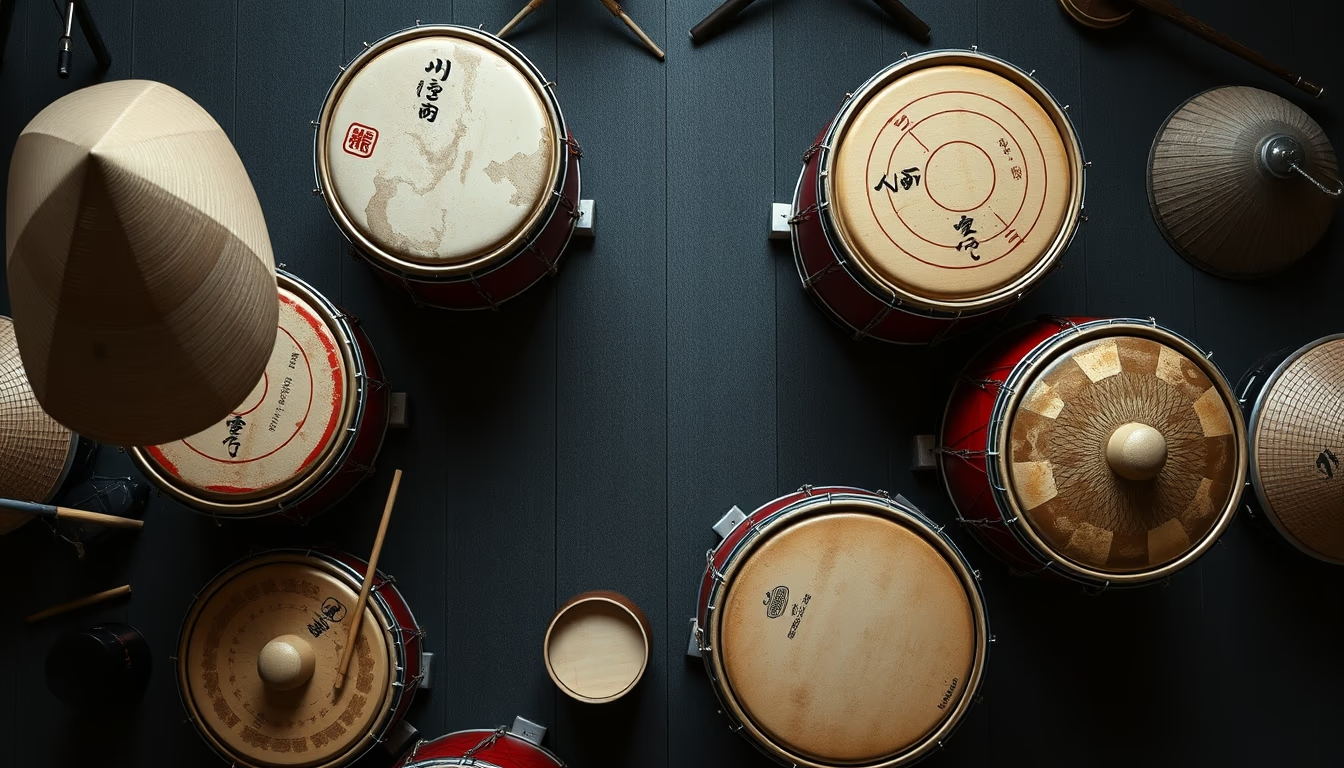
A drum kit in an empty studio represents more than musical instruments, it is a space of creation where acoustics and silence meet.
About this subject
A typical drum kit comprises a kick drum, snare drum, tom-toms, floor toms, hi-hat, and cymbals, each serving a specific rhythmic function. The kick drum marks the deep pulse, the snare defines the backbeat, and cymbals add texture. In recording studios, the arrangement of drums is meticulously planned to avoid interference and ensure microphone isolation. The sound engineer adjusts equalization and compression to capture the energy of the performance without unwanted noise.
The empty studio is not just a backdrop but an acoustically controlled environment. Walls covered with foam, bass traps, and diffusers shape the room's response, minimizing reflections that would muddy the audio. This preparation allows the drummer to play with precise dynamics, while strategically placed microphones, such as the classic overhead pair or the kick drum front mic, capture direct sound. In contrast to live stages, the studio offers ideal sound isolation for high-fidelity recordings.
In Brazil, the drum kit plays a central role in genres like samba, maracatu, and Brazilian rock. Drummers like Nenê, Cesar de Mercês, and Kiko Zambianchi developed styles that combine technique and creativity. The samba school drum line, with dozens of percussionists, is a collective evolution demanding millimetric synchronization. In rock, the drum kit is the backbone, setting the band's energy and connecting harmony and melody. Brazilian rhythmic diversity has even influenced international drummers, who incorporate samba and baião patterns into their grooves.
Historically, the modern drum kit emerged in the early 20th century with the invention of the kick drum pedal and hi-hat cymbals. Before that, musicians played separate percussion instruments individually. It was in the United States, with jazz, that the kit consolidated as a single instrument. Today, electronic drums expand possibilities, but acoustic drums remain irreplaceable in professional studios, valuing the natural resonance of wood and leather. The choice of heads, woods, and metals directly influences timbre, from the snare's sharp attack to the cymbals' sustain.
Frequently Asked Questions
What are the main parts of a drum kit?
A standard acoustic drum kit includes a kick drum, snare drum, tom-toms (high and mid), floor tom, hi-hat, crash cymbals, and ride cymbal. Each part produces a distinct sound and requires specific playing techniques.
Why are recording studios empty during drum tracking?
Silence and minimal furniture prevent unwanted sound reflections. Acoustic treatment (foam, bass traps, diffusers) controls the room's natural reverberation, allowing engineers to capture a dry drum sound that can be processed later during mixing.
What is the importance of the drum kit in Brazilian music?
The drum kit is essential in samba, maracatu, frevo, and Brazilian rock. Brazilian drummers are recognized for their rhythmic versatility, combining traditional percussion grooves with global influences, contributing to the country's distinct musical identity.
Direct URL
https://pub-c7d6a6ea828543ac903a74a341ccb2e1.r2.dev/imagens/drum-kit-empty-studio-architectural-photography-p6.avifHow to credit
Include a visible link back to UtilizAí. Copy one of the snippets below:
<a href="https://xn--utiliza-eza.com/en/midia/imagens/drum-kit-empty-studio-architectural-photography-p6">Drum kit empty studio</a> by <a href="https://xn--utiliza-eza.com">UtilizAí</a>, licensed under <a href="https://creativecommons.org/licenses/by/4.0/">CC BY 4.0</a>.
[Drum kit empty studio](https://xn--utiliza-eza.com/en/midia/imagens/drum-kit-empty-studio-architectural-photography-p6) by [UtilizAí](https://xn--utiliza-eza.com), CC BY 4.0
License: CC-BY-4.0