Douro valley terraces
1344×768 · AVIF · CC BY 4.0

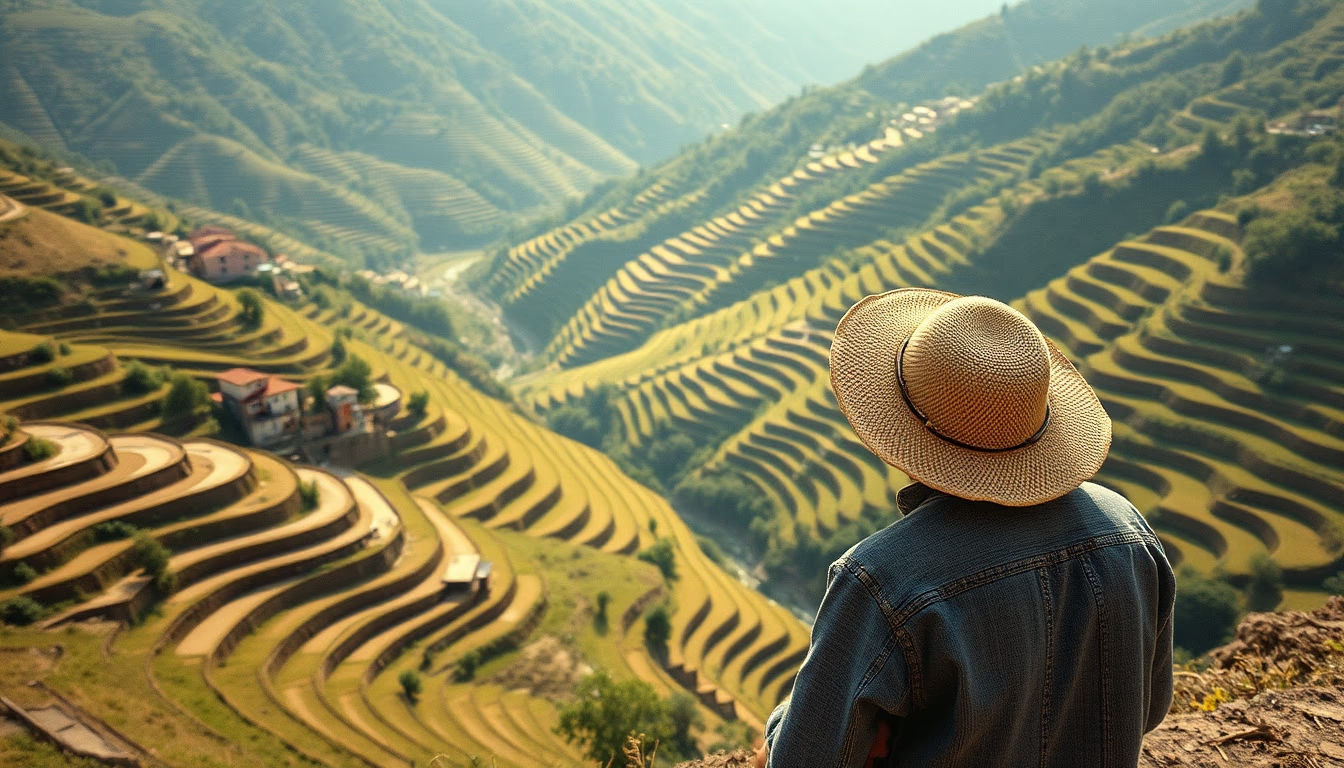
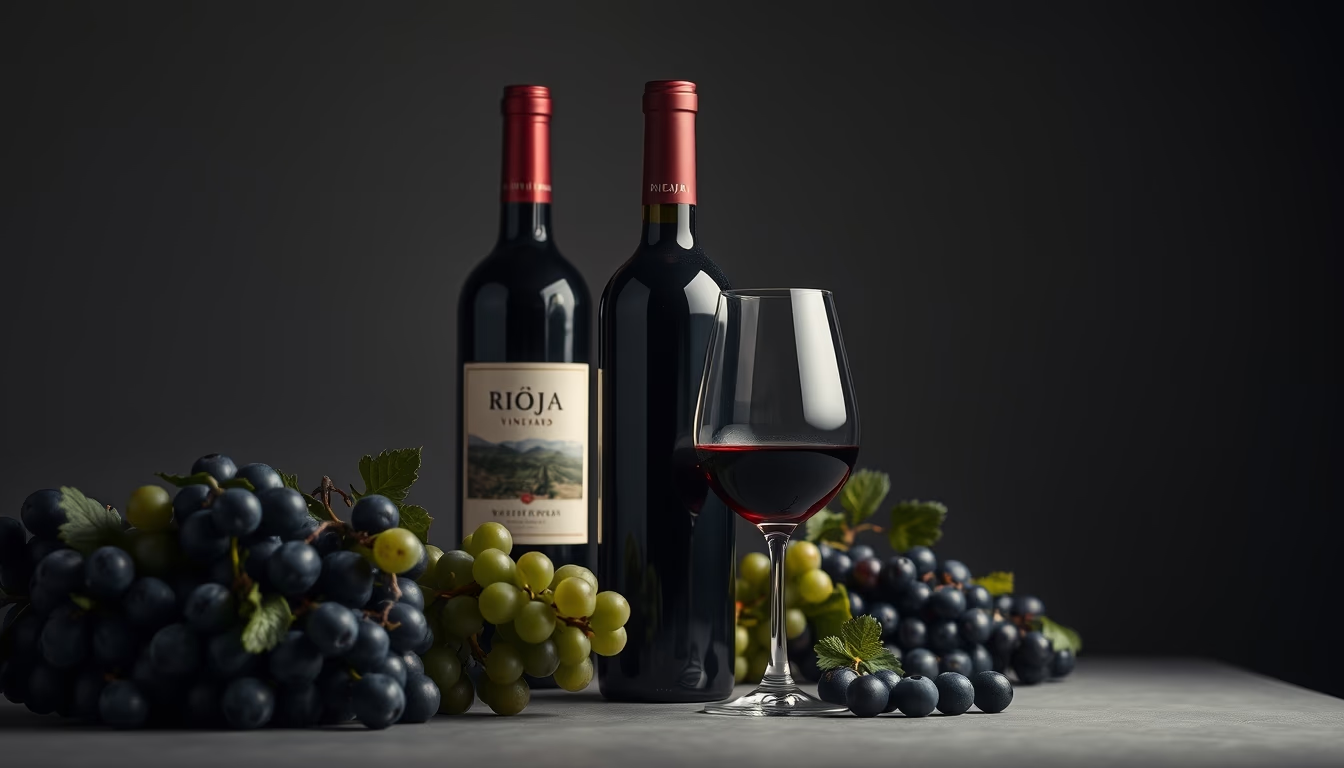
The Douro Valley terraces in Portugal are terraced vineyards that produce the famous Port wine, recognized as a UNESCO World Heritage site.
About this subject
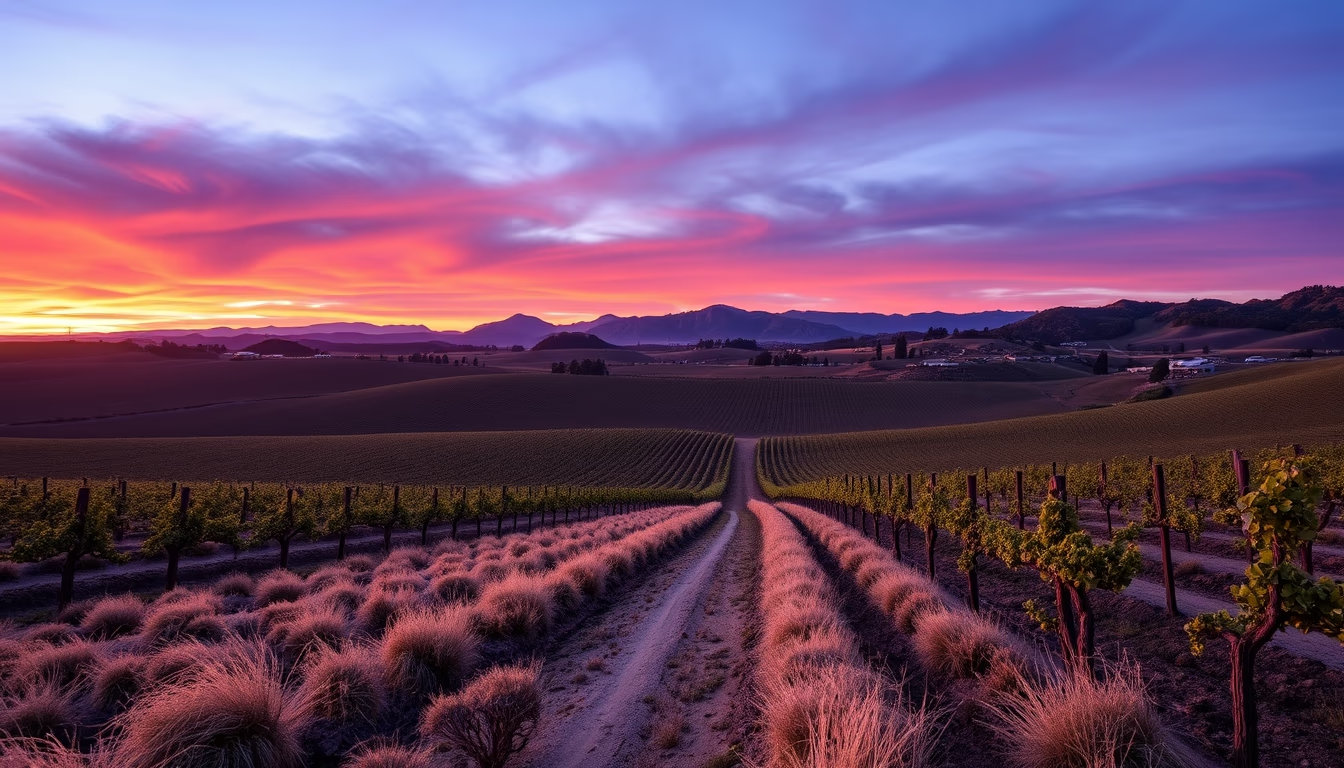
The Douro Valley, located in northern Portugal, is one of the oldest and most iconic wine regions in the world. Its terraced vineyards, carved into the steep slopes of the Douro River, form a unique cultural landscape dating back over two thousand years. Viticulture in the region intensified from the 18th century onwards, when the Marquis of Pombal established the world's first demarcated wine region to guarantee the quality of Port wine. The terraces not only maximize the use of limited land but also prevent erosion and capture the ideal solar radiation for growing grape varieties such as Touriga Nacional, Touriga Franca, and Tinta Roriz. In 2001, UNESCO classified the Alto Douro Wine Region as a World Heritage site, recognizing its harmony between man and nature.
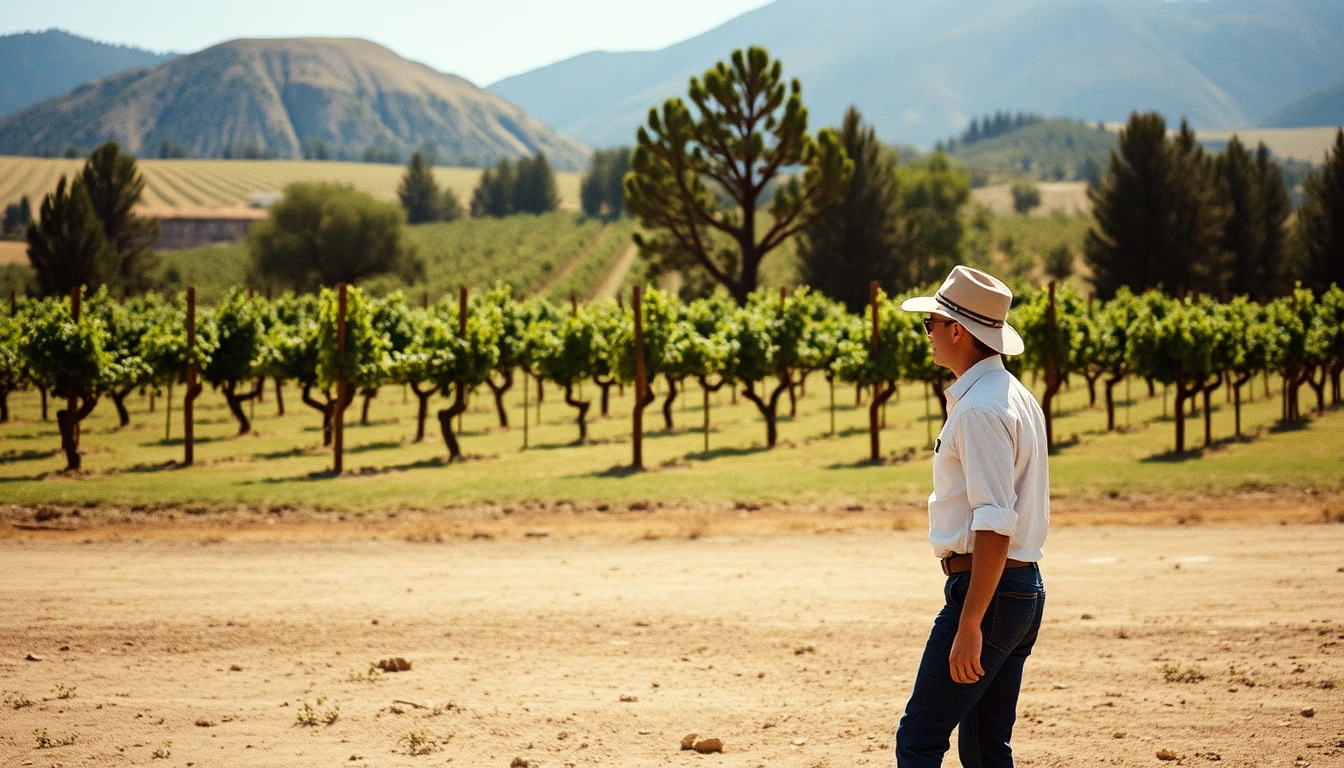
Each vineyard plot is supported by walls of schist, a local rock that retains heat at night, benefiting grape ripening. The Mediterranean climate, with hot, dry summers and mild winters, is tempered by Atlantic influence and the barrier of the mountains. The region is divided into three sub-regions: Baixo Corgo, Cima Corgo, and Douro Superior, the latter being the hottest and driest. Wines produced range from iconic aged Port to high-quality still wines like Douro DOC. Many quintas (wine estates) offer tours and tastings, attracting wine tourists from around the world.
A historical curiosity is that in the 19th century, the terraces were hit by a phylloxera plague that devastated European vineyards, but the region recovered by replanting with resistant American rootstocks. Despite limited mechanization due to the rugged topography, harvesting is still largely done by hand, preserving centuries-old traditions. The Douro Valley has also inspired poets and writers, such as the Englishman William Beckford, and today is a stage for tourist routes combining stunning landscapes, local gastronomy, and the rich history of Port wine.
Frequently Asked Questions
Why are the terraces of the Douro Valley important for Port wine production?
The terraces allow grape cultivation on steep slopes, maximizing sun exposure and preventing erosion. The schist rock retains heat, aiding grape ripening, which is essential for Port wine.
When was the Douro Valley declared a World Heritage site?
In 2001, UNESCO classified the Alto Douro Wine Region as a World Heritage site, recognizing its evolving cultural landscape and millennia-old winemaking tradition.
What are the main grape varieties grown on the Douro terraces?
The main varieties are Touriga Nacional, Touriga Franca, Tinta Roriz (known as Tempranillo in Spain), Tinta Barroca, and Tinto Cão, all used for Port and still wines.
Direct URL
https://pub-c7d6a6ea828543ac903a74a341ccb2e1.r2.dev/imagens/douro-valley-terraces-studio-editorial-portrait-fresh6.avifHow to credit
Include a visible link back to UtilizAí. Copy one of the snippets below:
<a href="https://xn--utiliza-eza.com/en/midia/imagens/douro-valley-terraces-studio-editorial-portrait-fresh6">Douro valley terraces</a> by <a href="https://xn--utiliza-eza.com">UtilizAí</a>, licensed under <a href="https://creativecommons.org/licenses/by/4.0/">CC BY 4.0</a>.
[Douro valley terraces](https://xn--utiliza-eza.com/en/midia/imagens/douro-valley-terraces-studio-editorial-portrait-fresh6) by [UtilizAí](https://xn--utiliza-eza.com), CC BY 4.0
License: CC-BY-4.0