Douro valley terraces
1344×768 · AVIF · CC BY 4.0
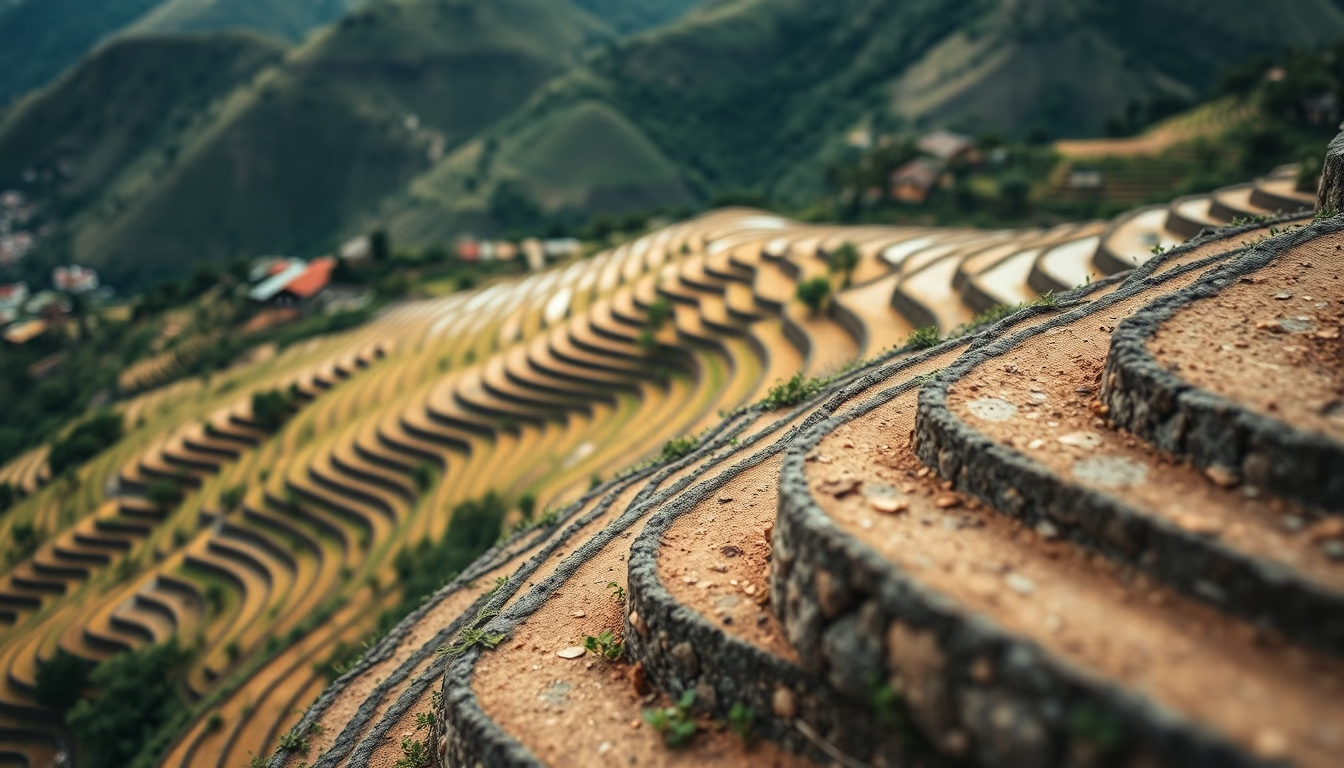
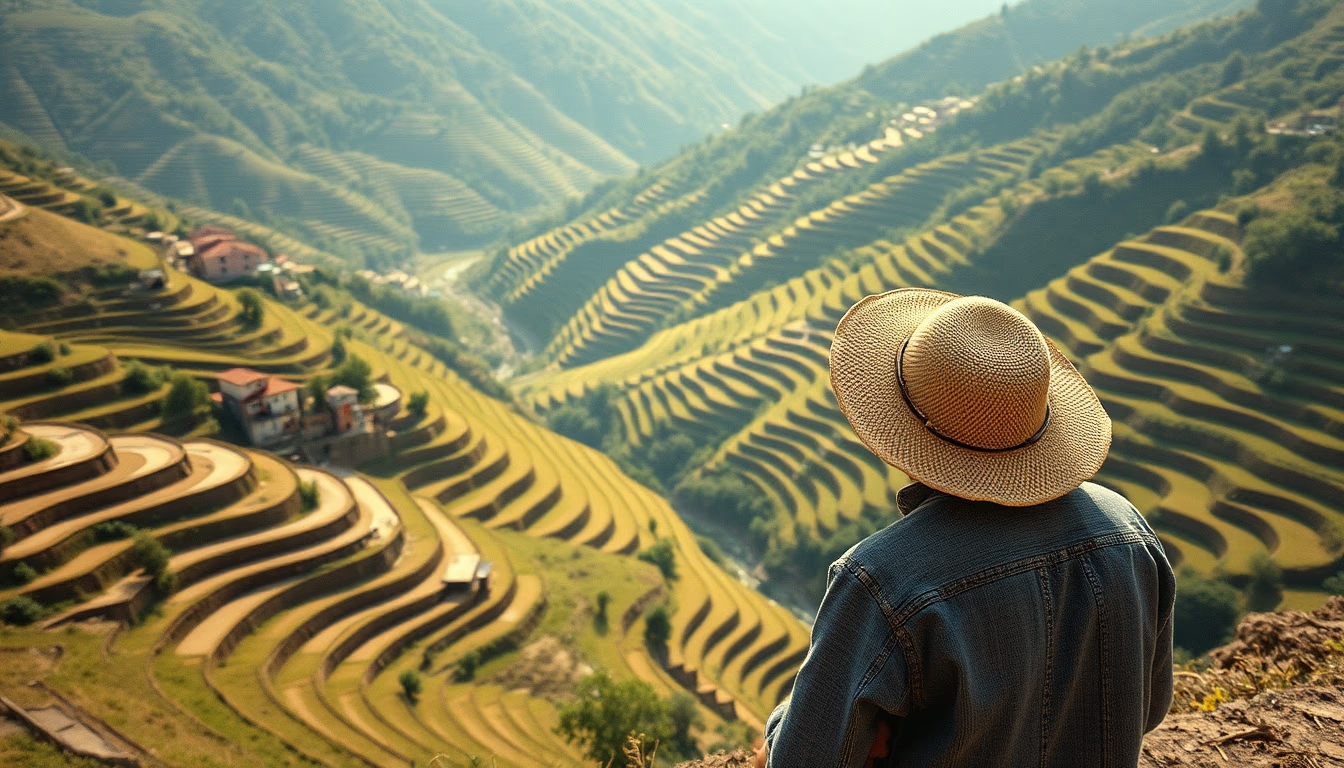
The Douro Valley terraces in Portugal are an iconic example of a cultural landscape shaped by viticulture, with centuries-old vineyard terraces.
About this subject
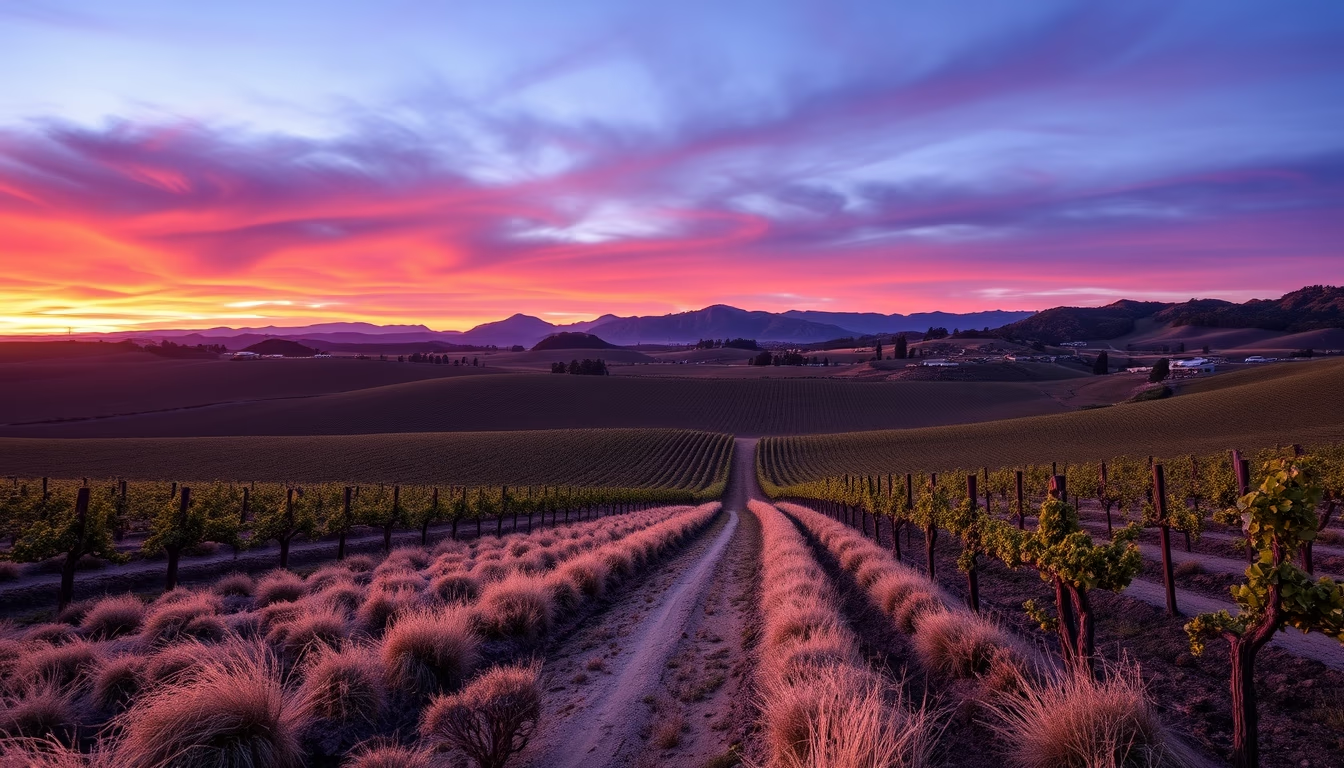
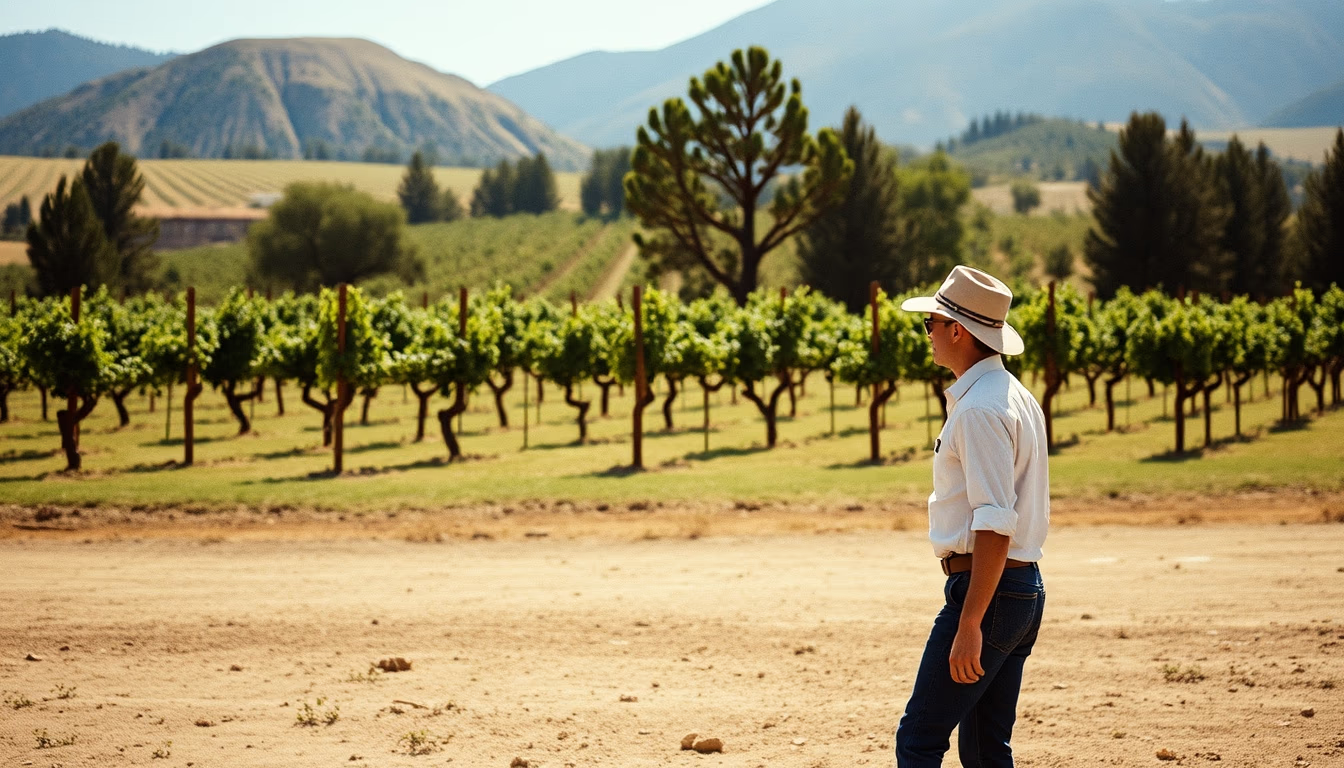
The Douro Valley in northern Portugal is one of the oldest wine regions in the world, officially demarcated in 1756. Its terraces are the most striking feature, carved into steep schist slopes to maximize sun exposure and water drainage. This ancient cultivation technique enabled the production of Port wine and high-quality table wines.
Declared a UNESCO World Heritage Site in 2001 as an evolving and living cultural landscape, the terraces represent an ingenious adaptation to rugged terrain, with dry-stone walls supporting the vines. Schist, the predominant rock, reflects heat and imparts minerality to the wines. Key grape varieties include Touriga Nacional, Tinta Roriz, and Touriga Franca.
Building the terraces required generations of intensive labor. Today, many are maintained by hand, though some areas have been replanned for mechanization. The Douro's microclimate, with hot, dry summers and harsh winters, contributes to concentrated sugars and tannins. The region is divided into three sub-regions: Baixo Corgo, Cima Corgo, and Douro Superior.
Beyond wine, the terrace landscape attracts tourists and photographers worldwide, especially during harvest and autumn when vine leaves change color. The harmonious interaction between humans and nature makes the Douro Valley a unique example of sustainability and winemaking tradition.
Frequently Asked Questions
Why are the Douro Valley terraces famous?
They are famous for being a unique cultural landscape classified by UNESCO, which allowed vine cultivation on steep slopes and the production of renowned wines such as Port wine.
What is the importance of schist in the Douro vineyards?
Schist is the dominant rock in the region; it reflects heat during the day and releases it at night, aiding grape ripening. It also imparts minerality and complexity to the wines.
How are the terraces in the Douro built?
They are built with dry-stone walls, stacking schist without mortar, forming terraces that follow contour lines. This ancient method prevents erosion and maximizes land use.
Direct URL
https://pub-c7d6a6ea828543ac903a74a341ccb2e1.r2.dev/imagens/douro-valley-terraces-macro-closeup-fresh8.avifHow to credit
Include a visible link back to UtilizAí. Copy one of the snippets below:
<a href="https://xn--utiliza-eza.com/en/midia/imagens/douro-valley-terraces-macro-closeup-fresh8">Douro valley terraces</a> by <a href="https://xn--utiliza-eza.com">UtilizAí</a>, licensed under <a href="https://creativecommons.org/licenses/by/4.0/">CC BY 4.0</a>.
[Douro valley terraces](https://xn--utiliza-eza.com/en/midia/imagens/douro-valley-terraces-macro-closeup-fresh8) by [UtilizAí](https://xn--utiliza-eza.com), CC BY 4.0
License: CC-BY-4.0