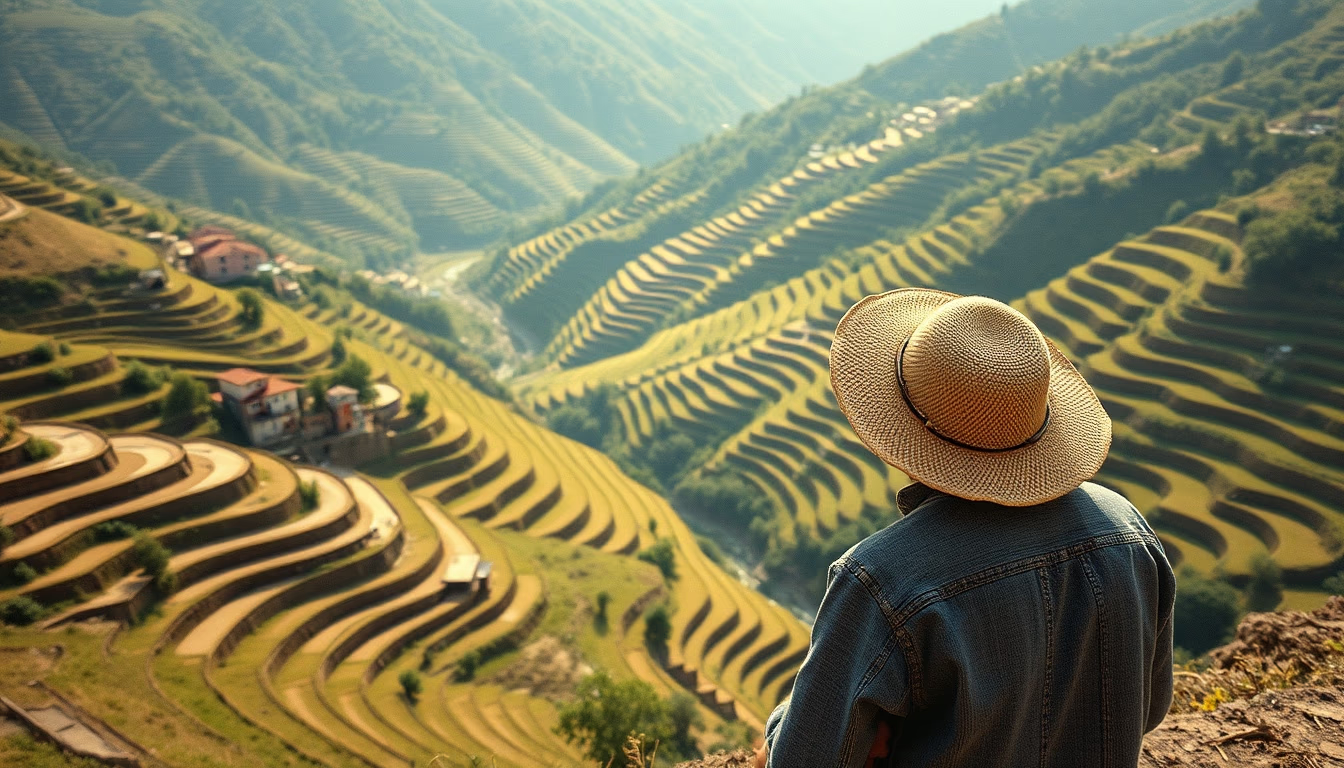
Douro valley terraces
1344×768 · AVIF · CC BY 4.0
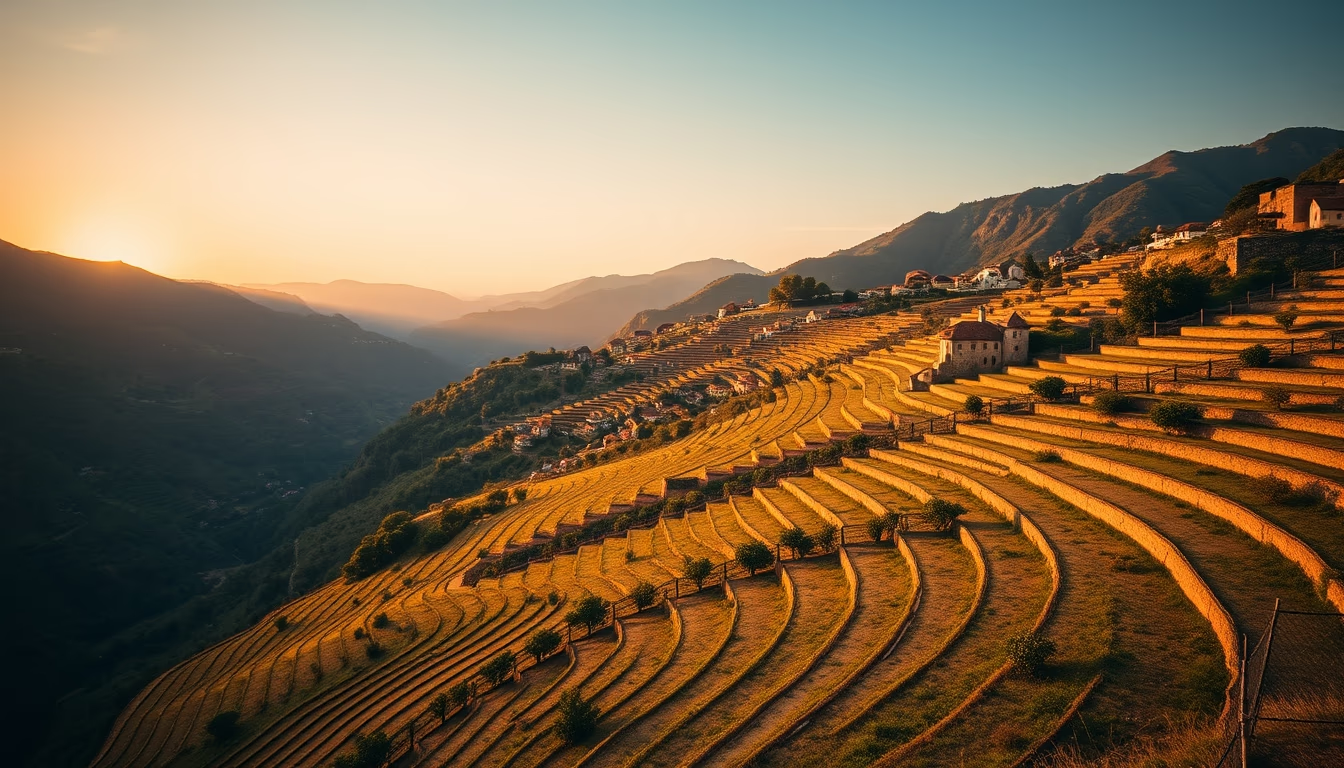
Os socalcos do Vale do Douro, em Portugal, são um exemplo icônico de viticultura em encostas íngremes, Patrimônio Mundial da UNESCO desde 2001.
Sobre o tema
O Vale do Douro, no norte de Portugal, é uma das regiões vinícolas mais antigas do mundo. Seus socalcos, conhecidos como "terraços", foram esculpidos nas encostas íngremes do rio Douro para permitir o cultivo da videira. Essa técnica de engenharia agrícola remonta ao século XVIII, quando a região foi demarcada oficialmente em 1756 pela Marquês de Pombal, tornando-se a primeira denominação de origem controlada do planeta.
Os socalcos são construídos com muros de xisto (schist) ou granito, que retêm o calor durante a noite e protegem as vinhas da erosão. O clima mediterrâneo com influência atlântica, somado ao solo pobre em nutrientes, produz uvas de alta qualidade, especialmente as variedades Touriga Nacional, Tinta Roriz e Touriga Franca. Essas uvas são usadas para a produção do renomado Vinho do Porto, além de vinhos tintos secos de prestígio.
A paisagem dos socalcos é marcada por curvas sinuosas que acompanham o relevo, criando um mosaico de vinhedos que se estendem por mais de 40 mil hectares. A região é dividida em três sub-regiões: Baixo Corgo, Cima Corgo e Douro Superior, cada uma com características próprias de altitude e exposição solar. O Douro Superior, mais quente e seco, é conhecido por vinhos encorpados.
Além do valor agrícola, os socalcos do Douro são um destino turístico de destaque. Visitantes podem explorar as quintas históricas, fazer cruzeiros pelo rio e degustar vinhos em caves centenárias. A UNESCO reconheceu a região como Patrimônio Mundial pela sua beleza cênica e pelo testemunho de uma tradição vitícola adaptada ao relevo desafiador. A manutenção dos terraços exige trabalho manual intenso, o que mantém viva uma herança cultural única.
Perguntas frequentes
Por que o Vale do Douro é famoso?
O Vale do Douro é famoso por ser uma das regiões vinícolas mais antigas do mundo e berço do Vinho do Porto. Seus socalcos em encostas íngremes são Patrimônio Mundial da UNESCO.
Como são construídos os socalcos do Douro?
Os socalcos são construídos com muros de pedra (xisto ou granito) que seguem as curvas de nível do terreno. Eles evitam a erosão e maximizam a exposição solar das videiras.
Qual a melhor época para visitar o Vale do Douro?
A melhor época é entre setembro e outubro, durante a colheita das uvas, quando a paisagem está colorida e há festividades. A primavera (abril a junho) também é agradável, com temperaturas amenas.
URL direta
https://pub-c7d6a6ea828543ac903a74a341ccb2e1.r2.dev/imagens/douro-valley-terraces-cinematic-wide-shot-fresh5.avifComo creditar
Inclua um link visível de volta pro UtilizAí. Copie um dos snippets abaixo:
<a href="https://xn--utiliza-eza.com/midia/imagens/douro-valley-terraces-cinematic-wide-shot-fresh5">Douro valley terraces</a> by <a href="https://xn--utiliza-eza.com">UtilizAí</a>, licensed under <a href="https://creativecommons.org/licenses/by/4.0/">CC BY 4.0</a>.
[Douro valley terraces](https://xn--utiliza-eza.com/midia/imagens/douro-valley-terraces-cinematic-wide-shot-fresh5) by [UtilizAí](https://xn--utiliza-eza.com), CC BY 4.0
Licença: CC-BY-4.0